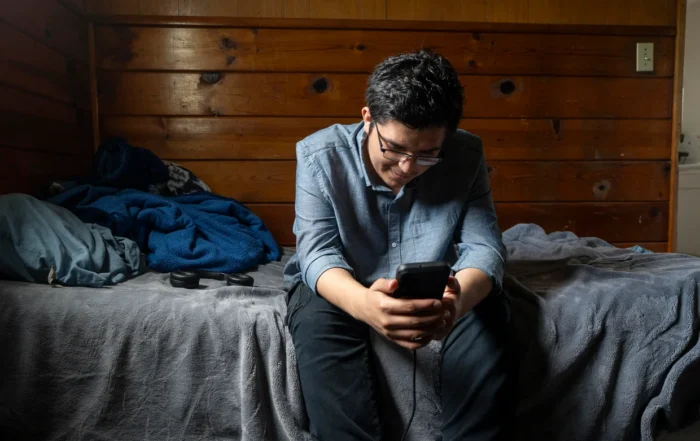

Women who experience trauma are twice as likely as men to develop PTSD. Here’s why
More than half of all women will be exposed to at least one traumatic event in their lifetime, according to the National Center for PTSDopens in new window. Those traumatic experiences have been linked to a variety of negative mental health consequences, including posttraumatic stress disorder (PTSD). In fact, research published in 2017 in the European Journal of Psychotraumatology suggests women experience PTSD at two to three times the rate that men doopens in new window. The lifetime prevalence of PTSD for women is 10% to 12%, compared to 5% to 6% for men.
This disparity is in part due to the fact that women and men experience different types of trauma and at different times in their lives, according to the study. Women, for example, are typically exposed to more interpersonal and high-impact trauma, such as sexual assault, than men, and at a younger age. Sexual assault carries one of the highest risks for PTSDopens in new window, according to research. In addition, trauma early in life often has a greater impactopens in new window, particularly when it involves multiple traumatic events. Traumatic stress affects different areas of the brains of boys and girls at different ages, and can interfere with neurobiological development and personalityopens in new window. Chronic fear, for example, whether in response to actual or anticipated threat, can lead to repeated activation of the physiological stress response systemopens in new window, the hypothalamic-pituitary-adrenal axis, altering the regulation of glucocorticoids such as cortisol.