From Survival to Advocacy: How Chester Street Foundation is Healing Texas
In 2009, Shawn Alex Nemeth was hospitalized and diagnosed with Post-Traumatic Stress Disorder (PTSD). It was the culmination of a lifetime of trauma, encoded into his brain and body during a childhood defined by abuse and neglect. Yet, through professional treatment and a profound commitment to self-compassion, Nemeth did more than just recover—he found a mission.
Recognizing that his story was one of millions, Nemeth founded Chester Street Foundation (CSF) in 2017. As one of the few organizations in Texas to bridge the gap between lived experience and evidence-based research, CSF has become a vital voice for traumatized children, educating the community on how childhood adversity ripples into adulthood.
A Growing Crisis in Children’s Mental Health
The timing of CSF’s mission is critical. The American Academy of Pediatrics (AAP) declared a national emergency in children’s mental health. Even before the pandemic, rates of depression, anxiety, and suicidality were rising. Today, they are soaring.
The statistics are sobering. According to the Centers for Disease Control and Prevention (CDC), three in four high school students have experienced at least one Adverse Childhood Experience (ACE), and one in five has experienced four or more. These traumas—ranging from domestic violence and neglect to cyberbullying or the sudden loss of a loved one—do not just vanish with age. Instead, they often manifest as “toxic stress,” a prolonged activation of the stress response system that can lead to chronic conditions like heart disease, diabetes, and substance abuse.
Bridging the Gap in Training
One of the greatest hurdles in treating childhood trauma is that it is often invisible. Because trauma frequently presents as disruptive behavior, it is commonly misdiagnosed as a simple attention or behavioral problem. Without “trauma-informed” eyes, the system often responds with medical diagnoses, criminal prosecution, or discipline rather than healing.
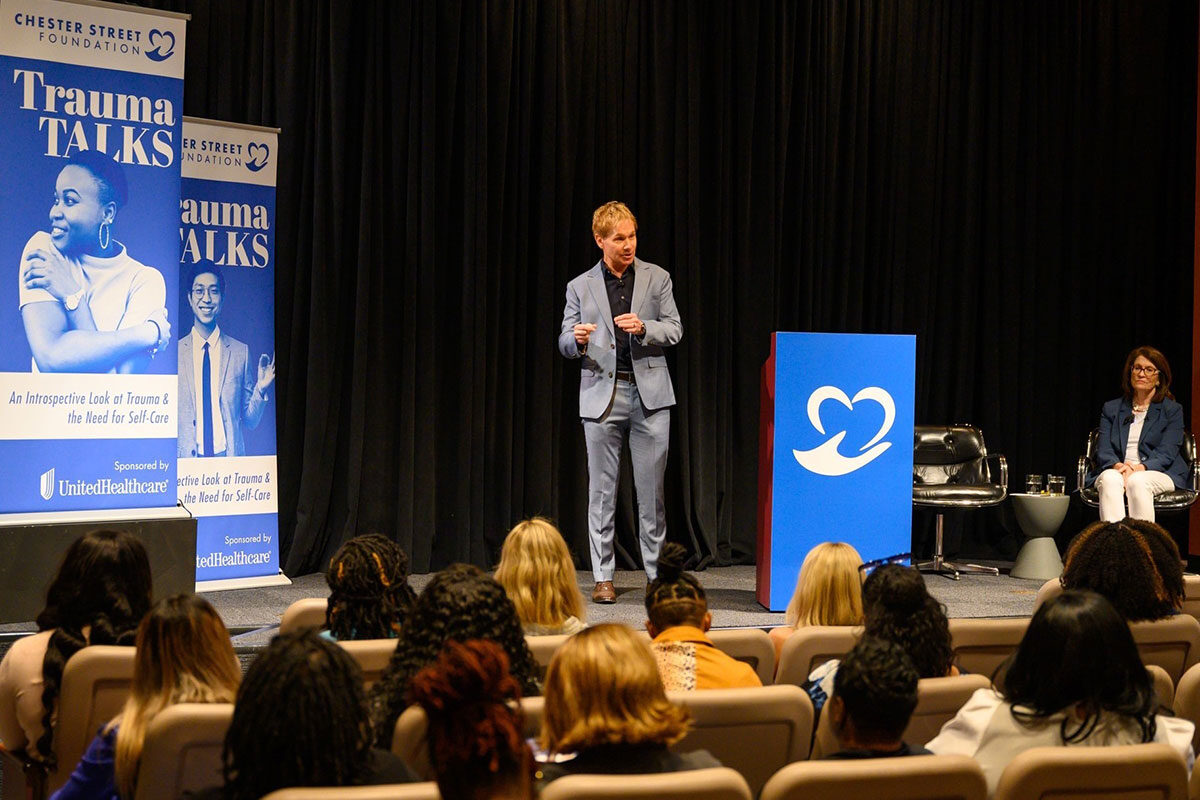
To combat this, Nemeth assembled a powerhouse team of licensed professionals and mental health partners to create TraumaTALKS. This educational platform offers live trainings and on-demand video courses, including their flagship presentation, Could it be Trauma? Supporting Kids on the Road to Recovery.
The impact has been massive. To date, CSF has had over 7,400 training participants (with an estimated reach of over 218,000 children and families), including:
- Educators: Staff across seven Harris County school districts.
- Healthcare Professionals: Over 1,000 nurses and staff at UnitedHealthcare.
- Foster Care Advocates: Staff and parents within the Texas Foster Care Association (TFCA).
A New Standard for Texas
The state is beginning to catch up to the necessity of this work. Texas now requires all public and charter school educators to undergo trauma-informed training. CSF is meeting this demand by providing Professional Development Credits for psychologists, social workers, counselors, and nurses through partnerships with the Texas Psychological Association and the UTHealth Cizik School of Nursing.
The overarching goal of Chester Street Foundation is simple but transformative: to ensure those on the frontlines—teachers, nurses, and parents—have the tools to recognize a child’s cry for help not as a “bad behavior,” but as a call for recovery. By turning lived experience into professional expertise, Nemeth and his team are ensuring that the cycle of trauma ends, one story at a time.