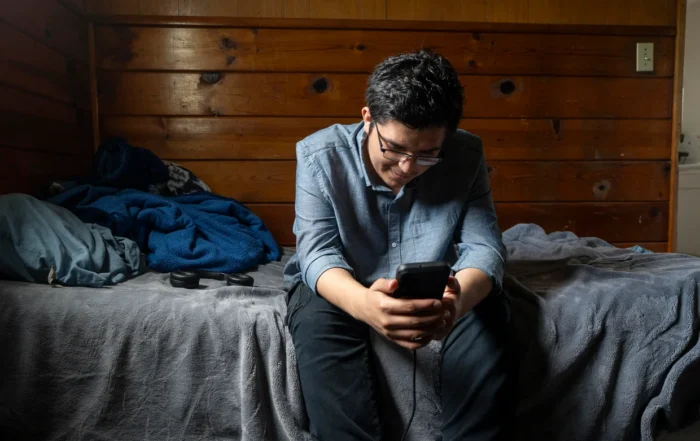

All children may experience very stressful events that affect how they think and feel. Most of the time, children recover quickly and well. However, sometimes children who experience severe stress—such as from an injury, the death or threatened death of a close family member or friend, or violence—will be affected long-term.
The child could experience this trauma directly or could witness it happening to someone else. When children develop long-term symptoms (longer than one month) from such stress, which are upsetting or interfere with their relationships and activities, they may be diagnosed with post-traumatic stress disorder (PTSD).

Share This Post!
Women who experience trauma are twice as likely as men to develop PTSD. Here’s why
Source: American Psychological Association More than half of all women will be exposed to at least one traumatic event in their lifetime, according to the National Center for PTSDopens in new window. Those [...]
Post-Traumatic Stress Disorder in Children
Source: CDC All children may experience very stressful events that affect how they think and feel. Most of the time, children recover quickly and well. However, sometimes children who experience severe [...]
From Survival to Advocacy: How Chester Street Foundation is Healing Texas
Written by: Shawn Alex Nemeth In 2009, Shawn Alex Nemeth was hospitalized and diagnosed with Post-Traumatic Stress Disorder (PTSD). It was the culmination of a lifetime of trauma, encoded into his [...]
How Trauma Affects Kids in School
Source: Child Mind Institute For many kids who suffer from trauma, it’s not one event. Often, it’s ongoing abuse or neglect. This could be violence at home or in their neighborhood. [...]
Associations between Adverse Childhood Experiences and Measures of Poor Sleep Health in Adulthood
Source: ResearchGate Background: Sleep health is a multidimensional concept that plays a critical role in both physical and mental well-being. While there is evidence to suggest that sleep health may be linked [...]
Childhood trauma changes how the brain processes caregiver cues
Source: PsyPost For most young children, the sight and voice of a parent serve as a primary source of comfort and safety. A new study suggests that for children who have experienced interpersonal [...]