

By The Conversation
After years of decline, school exclusions are on the rise again, according to official figures for the Department for Education. The Timpson review, carried out by former children’s minister Edward Timpson, also shows that children in care and other “children in need” are disproportionately likely to be excluded. This amplifies the educational disadvantages they already face.
There are around 75,000 children in care at any one time in England. Collectively, they have some of the lowest educational outcomes of any identifiable group for reasons that are complex and multidimensional. The 2016-2017 figures show they are five times more likely to have been temporarily excluded than other children. Children in need -– the wider group needing support from their local authority –- were nearly four times as likely to be temporarily excluded and twice as likely to be permanently excluded.
Share This Post!

From Supporter to Steward
Your Content Goes Here Source: Raymond James Financial, Inc. Estate & Giving Why board leadership is one of the most impactful ways to give back Philanthropy is often measured in dollars, [...]

How do trauma and adverse childhood experiences affect children?
CHOC Your Content Goes Here Source: CHOC Childhood should be a time of safety, growth, and discovery—but for many children, it’s marked by trauma, instability, or neglect. Adverse childhood experiences (ACEs), [...]
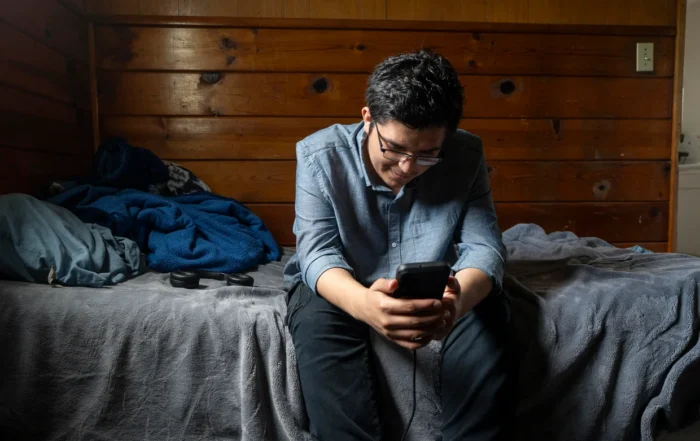
Arrests of immigrant parents create mental health crisis for children
Damian Zermeño talks to his father over video chat. Saúl Zermeño, a single parent, was deported to Mexico in October after living 36 years in the United States. Karla Gachet for KFF Health News [...]

Risk and Protective Factors
Your Content Goes Here Source: CDC Adverse childhood experiences (ACEs) are not often caused by a single factor. Instead, a combination of factors at the individual, relationship, community, and societal levels can [...]

We’re therapists. Here’s why it’s too soon for kids to return to Camp Mystic.
Sam Owens/San Antonio Express-News CSF written article Your Content Goes Here Source: Houston Chronicle Less than a year after the deadly July 4 flood, Camp Mystic plans to reopen its Cypress Lake location, not [...]

Women who experience trauma are twice as likely as men to develop PTSD. Here’s why
Your Content Goes Here Source: American Psychological Association More than half of all women will be exposed to at least one traumatic event in their lifetime, according to the National Center [...]