


By Leonard Holmes
Studies have demonstrated over and over that childhood abuse and neglect results in permanent changes to the developing human brain. These changes in brain structure appear to be significant enough to potentially cause psychological and emotional problems in adulthood, such as psychological disorders and/or substance abuse.
MRI
Dr. Martin Teicher and his colleagues at McLean Hospital, Harvard Medical School and Northeastern University, used magnetic resonance imaging (MRI) technology to identify measured changes in brain structure among young adults who had experienced childhood abuse or neglect. There were clear differences in nine brain regions between those who had suffered childhood trauma and those who had not.
Share This Post!

Post-Traumatic Stress Disorder in Children
CSF written article Your Content Goes Here Source: CDC All children may experience very stressful events that affect how they think and feel. Most of the time, children recover quickly and [...]
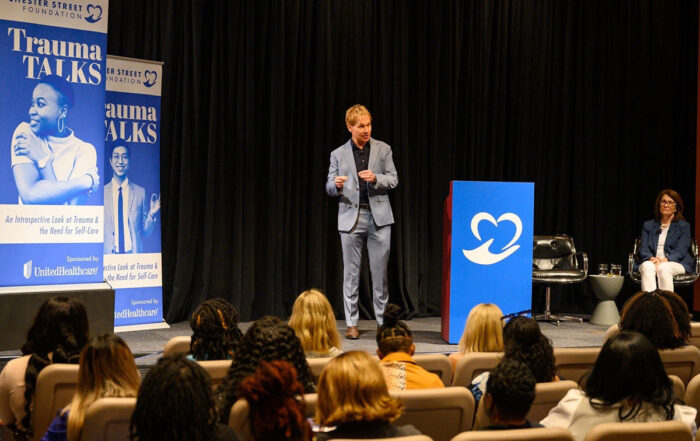
From Survival to Advocacy: How Chester Street Foundation is Healing Texas
CSF written article Your Content Goes Here Written by: Shawn Alex Nemeth In 2009, Shawn Alex Nemeth was hospitalized and diagnosed with Post-Traumatic Stress Disorder (PTSD). It was the culmination of [...]

How Trauma Affects Kids in School
CSF written article Your Content Goes Here Source: Child Mind Institute For many kids who suffer from trauma, it’s not one event. Often, it’s ongoing abuse or neglect. This could [...]

Associations between Adverse Childhood Experiences and Measures of Poor Sleep Health in Adulthood
CSF written article Your Content Goes Here Source: ResearchGate Background: Sleep health is a multidimensional concept that plays a critical role in both physical and mental well-being. While there [...]

Childhood trauma changes how the brain processes caregiver cues
CSF written article Your Content Goes Here Source: PsyPost For most young children, the sight and voice of a parent serve as a primary source of comfort and safety. [...]

Child abuse and eating disorder symptoms: Shedding light on the contribution of identification with the aggressor
CSF written article Your Content Goes Here Source: ScienceDirect Childhood abuse has been increasingly recognized as a risk factor for eating disorder symptoms. Additionally, it has been demonstrated that childhood abuse [...]