


By Renée Fabian
When I color during therapy, it creates a safe space for me to express painful feelings from my past. Coloring engages a different part of my brain that allows me to process my trauma in a different way. I can even talk about the most difficult memories of my sexual abuse without panicking.
Yet there’s more to art therapy than coloring, despite what the adult coloring book trend may suggest. They’re onto something, though, as I’ve learned through my own experience. Art therapy, just like talk therapy, has enormous healing potential when done with a trained professional. In fact, for those with post-traumatic stress disorder (PTSD), working with an art therapist has been a lifesaver.
What is PTSD? PTSD is a psychiatric disorder resulting from a traumatic event. Terrifying or threatening experiences like war, abuse, or neglect leave traces that get stuck in our memories, emotions, and bodily experiences. When triggered, PTSD causes symptoms like re-experiencing the trauma, panic or anxiety, touchiness or reactivity, memory lapses, and numbness or dissociation.
“Traumatic memories typically exist in our minds and bodies in a state-specific form, meaning they hold the emotional, visual, physiological, and sensory experiences that were felt at the time of the event,” says Erica Curtis, a California-based licensed marriage and family therapist. “They’re essentially undigested memories.”
Share This Post!
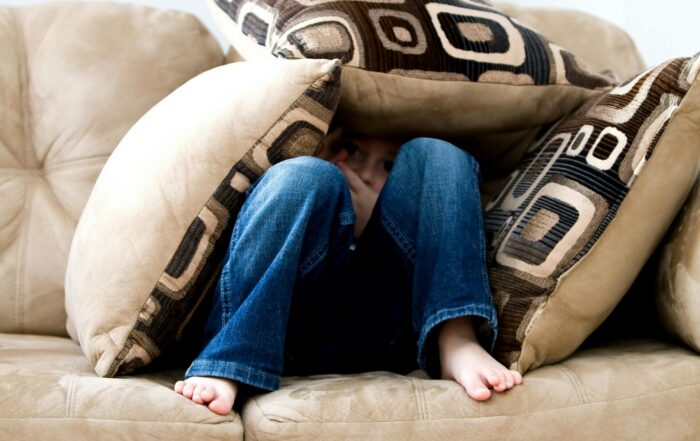
Post-Traumatic Stress Disorder in Children
CSF written article Your Content Goes Here Source: CDC All children may experience very stressful events that affect how they think and feel. Most of the time, children recover quickly and [...]
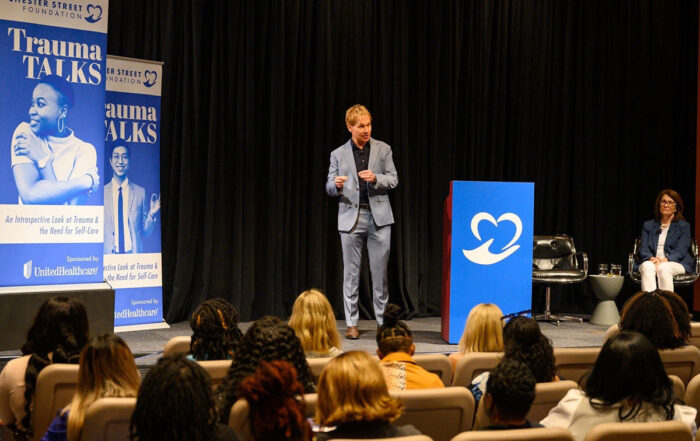
From Survival to Advocacy: How Chester Street Foundation is Healing Texas
CSF written article Your Content Goes Here Written by: Shawn Alex Nemeth In 2009, Shawn Alex Nemeth was hospitalized and diagnosed with Post-Traumatic Stress Disorder (PTSD). It was the culmination of [...]

How Trauma Affects Kids in School
CSF written article Your Content Goes Here Source: Child Mind Institute For many kids who suffer from trauma, it’s not one event. Often, it’s ongoing abuse or neglect. This could [...]

Associations between Adverse Childhood Experiences and Measures of Poor Sleep Health in Adulthood
CSF written article Your Content Goes Here Source: ResearchGate Background: Sleep health is a multidimensional concept that plays a critical role in both physical and mental well-being. While there [...]
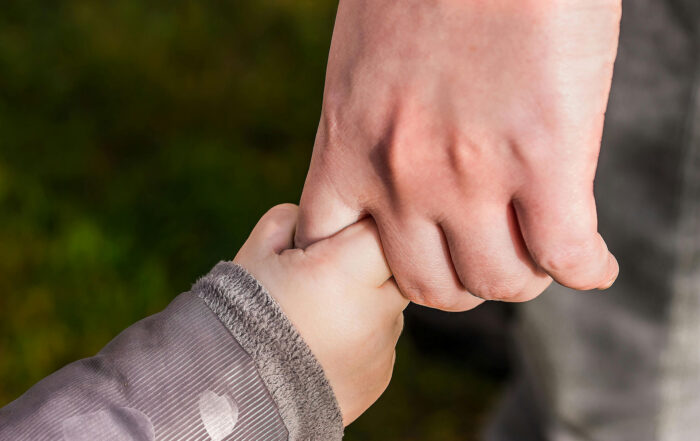
Childhood trauma changes how the brain processes caregiver cues
CSF written article Your Content Goes Here Source: PsyPost For most young children, the sight and voice of a parent serve as a primary source of comfort and safety. [...]

Child abuse and eating disorder symptoms: Shedding light on the contribution of identification with the aggressor
CSF written article Your Content Goes Here Source: ScienceDirect Childhood abuse has been increasingly recognized as a risk factor for eating disorder symptoms. Additionally, it has been demonstrated that childhood abuse [...]