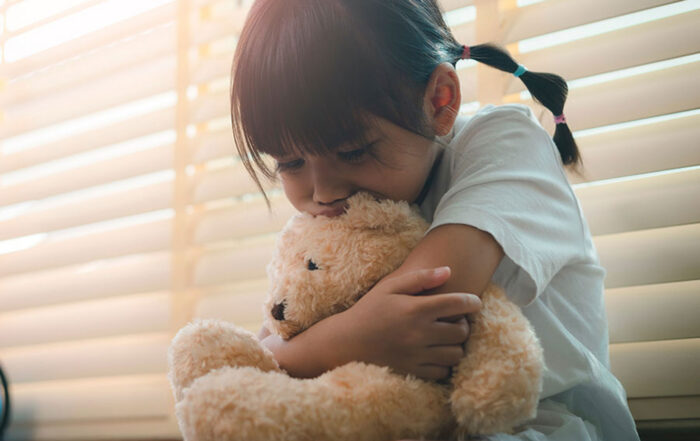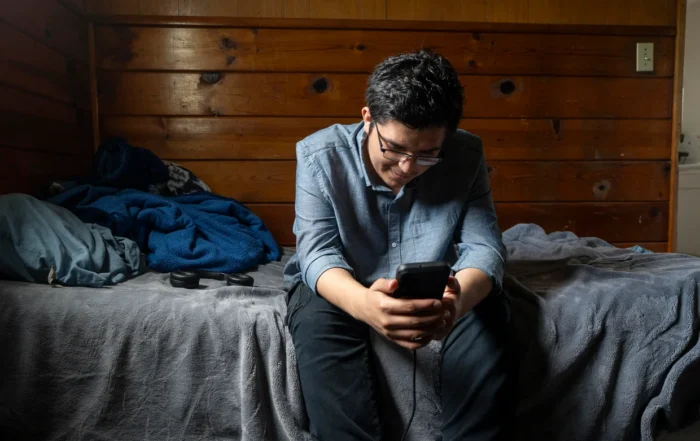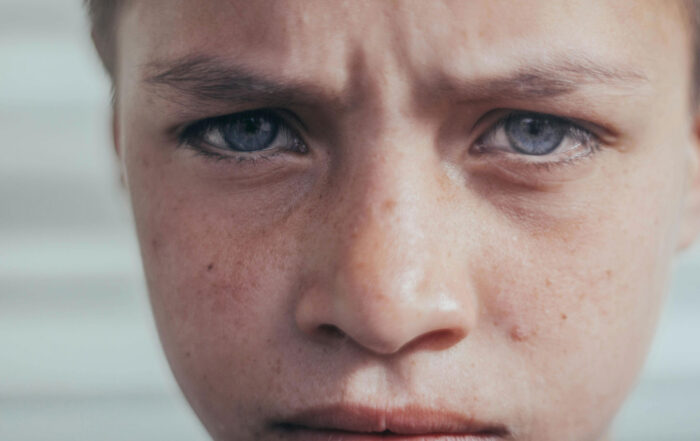
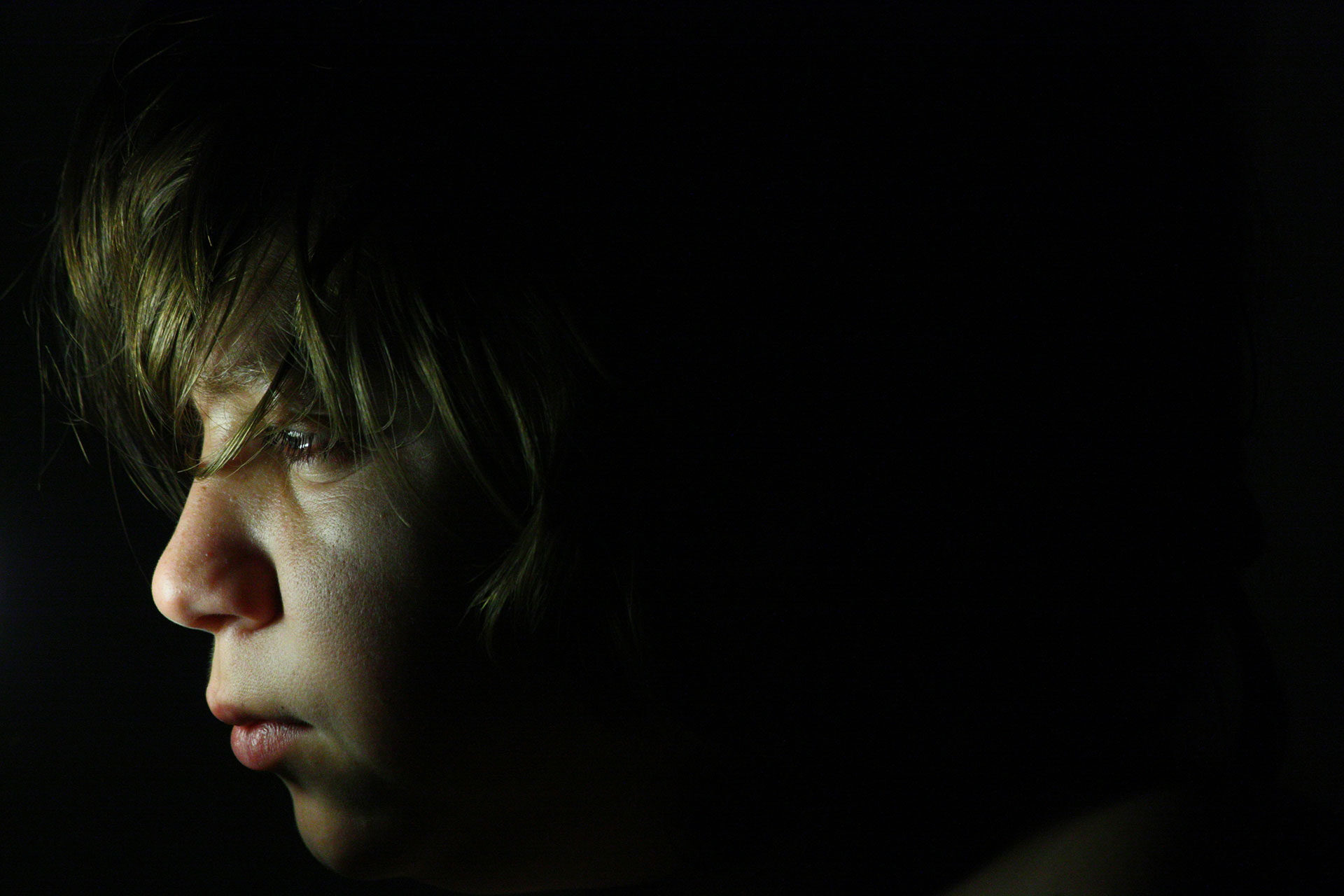
Children whose families and homes do not provide consistent safety, comfort, and protection may develop ways of coping that allow them to survive and function day to day. For instance, they may be overly sensitive to the moods of others, always watching to figure out what the adults around them are feeling and how they will behave. They may withhold their own emotions from others, never letting them see when they are afraid, sad, or angry. These kinds of learned adaptations make sense when physical and/or emotional threats are ever-present. As a child grows up and encounters situations and relationships that are safe, these adaptations are no longer helpful, and may in fact be counterproductive and interfere with the capacity to live, love, and be loved.
Complex trauma can affect children in a multitude of ways. Here are some common effects.

Share This Post!
Complex Trauma Effects
Source: The National Child Traumatic Stress Network (NCTSN) Children whose families and homes do not provide consistent safety, comfort, and protection may develop ways of coping that allow them to survive and function [...]
Trauma-Informed Organizations
Source: The National Child Traumatic Stress Network (NCTSN) Part 2 provides a broad overview of how to create and implement an institutional framework for trauma-informed services in program delivery and staff development, policies [...]
Early childhood trauma and its long-term impact on cognitive and emotional development
Source: National Library of Medicine Childhood trauma has profound, long-term effects on cognitive and emotional development. This systematic review and meta-analysis sought to synthesis the evidence around the long-term impact of [...]
Helping children who have or are experiencing trauma this holiday season
For many, the holiday season is a joyful one – the popular song “Have a Holly, Jolly Christmas” comes to mind – but for children who have or are experiencing trauma, Christmas, [...]
Healing Frameworks: Understanding ACEs in Indigenous Communities
The National Indian Health Board (NIHB) is committed to advocating for the health and well-being of Indigenous communities. One of our key initiatives focuses on addressing adverse childhood experiences (ACEs), which are traumatic [...]
Gratitude Not Required: A Trauma-Informed Thanksgiving for Children in Care
By Beth Tyson Children impacted by any kind of family separation, whether it be foster care, adoption, or divorce, don’t have to feel thankful during Thanksgiving or any other holiday. There, I [...]