


Across the nation, everyone is being exposed to and reacting to the confusing, stressful, and sometimes frightening situation of the 2019 coronavirus disease (COVID-19) pandemic in different ways. But are we, and our children, being traumatized by the pandemic?
Childhood trauma often involves a negative reaction, called traumatic stress, following an overwhelming, upsetting, or frightening experience—called a traumatic event—that challenges a child’s ability to cope. “Traumatic events are typically situations that are out of our control, beyond our usual experience, and cause us to feel as though our lives or the lives of others may be in danger,” says Adam D. Brown, PsyD, clinical assistant professor in the Department of Child and Adolescent Psychiatry at NYU Langone and member of its Child Study Center.
Together with the Department of Child and Adolescent Psychiatry’s WonderLab, Dr. Brown answers questions parents may have about childhood trauma during COVID-19.
Share This Post!

How do trauma and adverse childhood experiences affect children?
CHOC CSF written article Your Content Goes Here Source: CHOC Childhood should be a time of safety, growth, and discovery—but for many children, it’s marked by trauma, instability, or neglect. [...]
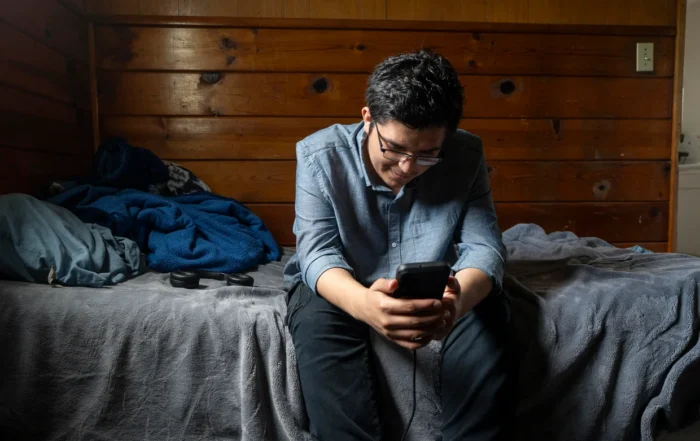
Arrests of immigrant parents create mental health crisis for children
Damian Zermeño talks to his father over video chat. Saúl Zermeño, a single parent, was deported to Mexico in October after living 36 years in the United States. Karla Gachet for KFF Health News [...]
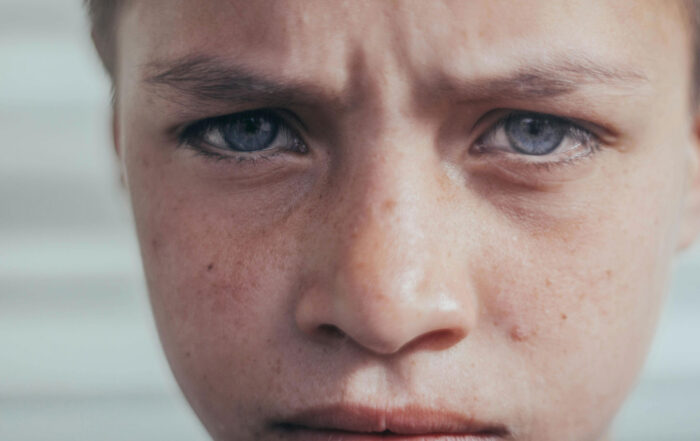
Risk and Protective Factors
CSF written article Your Content Goes Here Source: CDC Adverse childhood experiences (ACEs) are not often caused by a single factor. Instead, a combination of factors at the individual, relationship, community, [...]
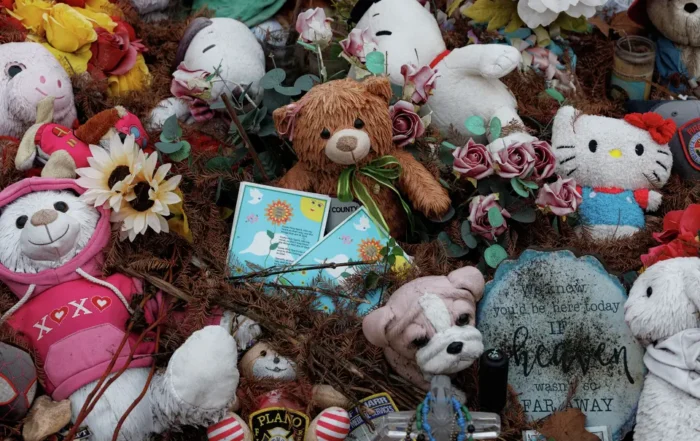
We’re therapists. Here’s why it’s too soon for kids to return to Camp Mystic.
Sam Owens/San Antonio Express-News CSF written article Your Content Goes Here Source: Houston Chronicle Less than a year after the deadly July 4 flood, Camp Mystic plans to reopen its Cypress Lake location, not [...]

Women who experience trauma are twice as likely as men to develop PTSD. Here’s why
CSF written article Your Content Goes Here Source: American Psychological Association More than half of all women will be exposed to at least one traumatic event in their lifetime, according [...]

Post-Traumatic Stress Disorder in Children
CSF written article Your Content Goes Here Source: CDC All children may experience very stressful events that affect how they think and feel. Most of the time, children recover quickly and [...]