


By Jeanne Supin
The “fight or flight” instinct has served the human species well, helping us respond quickly to threats, but according to child and adolescent psychiatrist and neuroscientist Bruce Perry it can also change our brains for the worse. If the threats we encounter are extreme, persistent, or frequent, we become too sensitized, overreacting to minor challenges and sometimes experiencing symptoms of post-traumatic stress disorder, or PTSD. This is especially true for children, whose still-developing brains may be chronically altered by growing up in abusive environments that Perry calls “the equivalent of a war zone.” Perry says that instead of being offered the sort of meaningful, caring connections they need, children with these experiences are often labeled troublemakers — and later criminals. He advocates passionately for changes in parenting, teaching, policing, and public policy to help traumatized kids.
The second of four children, Perry was born in 1955 in Bismarck, North Dakota. His father was a dentist; his mother, a homemaker. Skinny and asthmatic, Perry joined the track team and says visualization techniques helped him win races and get his asthma under control. He went on to attend Stanford University in California, where he majored in human biology and participated in a seminar about the effects of early life stress on the developing brains of rats. During his first summer home from college, Perry got married and returned to Stanford with his wife in the fall. One night she went missing and was later found brutally murdered. After the funeral Perry didn’t return to school. He spent a lot of time alone, thinking about what had happened. When he went back to Stanford in the spring, the attention he received from other students made him uncomfortable, so he transferred to Amherst College in Massachusetts and entered the neuroscience program. In the wake of his wife’s death he stopped focusing on grades and simply pursued subjects that interested him.
Share This Post!
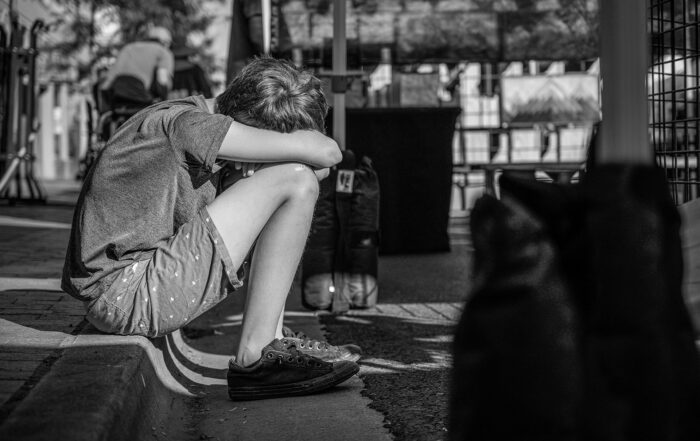
Can the positive buffer the negative? Testing the impact of protective childhood experiences on adjustment in adults following trauma exposure
CSF written article Your Content Goes Here Source: National Library of Medicine It is unclear if protective childhood experiences (PCEs), like emotional support and economic stability, exert influence on [...]

Complex Trauma Effects
CSF written article Your Content Goes Here Source: The National Child Traumatic Stress Network (NCTSN) Children whose families and homes do not provide consistent safety, comfort, and protection may [...]

Trauma-Informed Organizations
CSF written article Your Content Goes Here Source: The National Child Traumatic Stress Network (NCTSN) Part 2 provides a broad overview of how to create and implement an institutional [...]

Early childhood trauma and its long-term impact on cognitive and emotional development
CSF written article Your Content Goes Here Source: National Library of Medicine Childhood trauma has profound, long-term effects on cognitive and emotional development. This systematic review and meta-analysis sought [...]
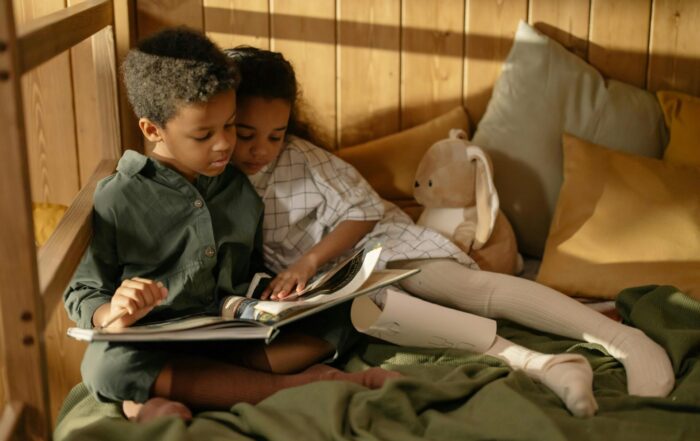
Helping children who have or are experiencing trauma this holiday season
CSF written article Your Content Goes Here For many, the holiday season is a joyful one – the popular song “Have a Holly, Jolly Christmas” comes to mind – but [...]
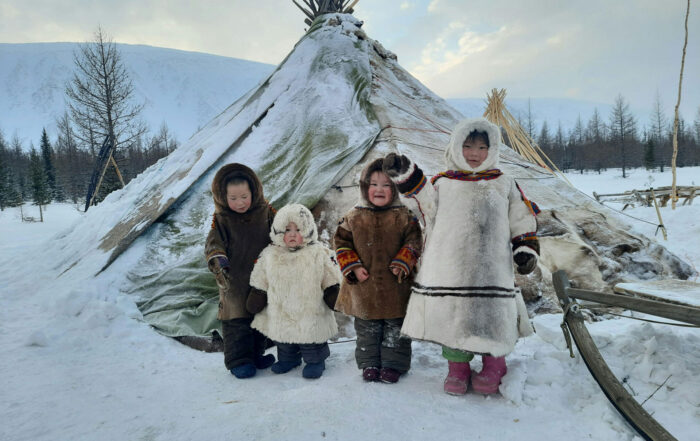
Healing Frameworks: Understanding ACEs in Indigenous Communities
CSF written article Your Content Goes Here Source: National Indian Health Board The National Indian Health Board (NIHB) is committed to advocating for the health and well-being of Indigenous [...]