

By American Psychiatric Association
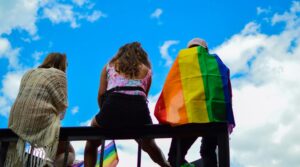
Violence against the LGBTQ community has increased over recent years. In 2016, the Pulse nightclub shooting in Orlando shocked the nation—with a single gunman killing 49 people and wounding 53 others at the gay nightclub. The Pulse attack remains the most extreme assault on the gay community, but it was far from being an isolated case. When the National Coalition of Anti-Violence Programs (NCAVP) released its 2016 annual report, the data showed that it was the deadliest year on record for the LGBTQ community since NCAVP began record-keeping on anti-LGBTQ hate crimes in 1996. However, 2017 proved even worse, with anti-LGBTQ hate crimes rising 86% from 2016. LGBTQ people of color—particularly transgender people—are disproportionately affected by these hate-crimes. According to the Human Rights Campaign (HRC), at least 15 transgender women, all of whom were black, were killed in 2019.
Share This Post!

Should Childhood Trauma Be Treated As A Public Health Crisis?
By Erin Blakemore, NPR When public health officials get wind of an outbreak of Hepatitis A or influenza, they spring into action with public awareness campaigns, monitoring and outreach. But should they [...]

The Healing Power of Dance Movement Therapy
By Helaina Hovitz As I worked more furiously towards the deadline of finishing the edits on my memoir about growing up with Post Traumatic Stress Disorder while verbally telling my story over [...]

How to Rewire Your Traumatized Brain
By the Concepción de León I hear some people have trouble with therapy, that it can take years for them to open up to their doctors, let alone cry or break down. Not [...]

Developmental Trauma Disorder: The Effects of Child Abuse and Neglect
By Maureen V. Kilrain, MS, PA-C Child neglect and abuse are perhaps the most significant community health challenge in the United States. Mental health experts in trauma continue to investigate and apply a [...]

Why Don’t Child Sex Abuse Victims Tell?
By David M. Allen, M.D. One of the things that child abuse deniers like the False Memory Syndrome Foundation focus on, besides child abuse apologist Elizabeth Loftus's irrelevant arguments about the unreliability of [...]

Post-Traumatic Childhood
By Bessel A. van der Kolk Brookline, Mass. - As a young psychiatrist, I worked with Vietnam War combat veterans and confronted the astonishing lack of resources to help these men and women [...]