


By the Concepción de León
I hear some people have trouble with therapy, that it can take years for them to open up to their doctors, let alone cry or break down. Not me. Day one, I told my therapist, Amy Bernstein, “I’ll just tell you everything, and we’ll go from there.”
I was assigned to her after revealing, during an initial interview to determine the appropriate therapist for my needs, that I’d been touched as a child. I hadn’t planned to bring it up at all, but I was asked directly, so I said, yes, you could say that. (At the time, I avoided the word “molested.”) And yes, it still crossed my mind.
To be honest, what happened had always felt like such a small thing. Many others have had it much worse; I counted myself lucky for only having been touched in subtle ways — a male relative digging his hands in my tiny skirt pockets to “feel around for change”; another bringing his hand to my crotch when he thought I was asleep. These were two of a handful of men who violated me.
Share This Post!

From Supporter to Steward
Your Content Goes Here Source: Raymond James Financial, Inc. Estate & Giving Why board leadership is one of the most impactful ways to give back Philanthropy is often measured in dollars, [...]

How do trauma and adverse childhood experiences affect children?
CHOC Your Content Goes Here Source: CHOC Childhood should be a time of safety, growth, and discovery—but for many children, it’s marked by trauma, instability, or neglect. Adverse childhood experiences (ACEs), [...]
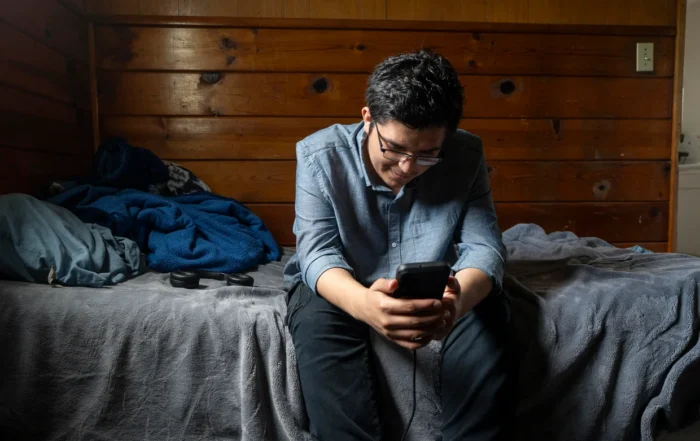
Arrests of immigrant parents create mental health crisis for children
Damian Zermeño talks to his father over video chat. Saúl Zermeño, a single parent, was deported to Mexico in October after living 36 years in the United States. Karla Gachet for KFF Health News [...]
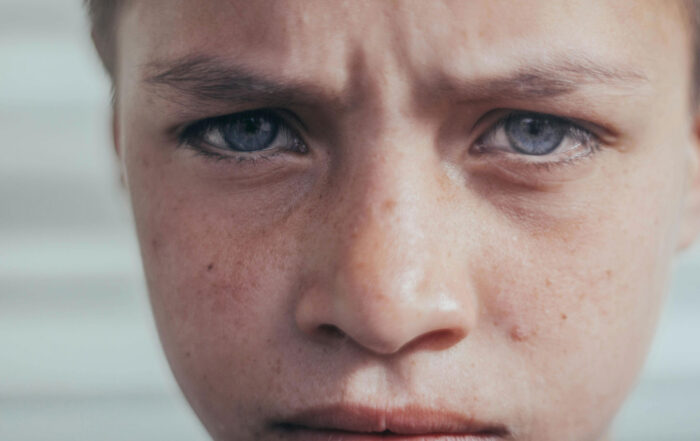
Risk and Protective Factors
Your Content Goes Here Source: CDC Adverse childhood experiences (ACEs) are not often caused by a single factor. Instead, a combination of factors at the individual, relationship, community, and societal levels can [...]

We’re therapists. Here’s why it’s too soon for kids to return to Camp Mystic.
Sam Owens/San Antonio Express-News CSF written article Your Content Goes Here Source: Houston Chronicle Less than a year after the deadly July 4 flood, Camp Mystic plans to reopen its Cypress Lake location, not [...]

Women who experience trauma are twice as likely as men to develop PTSD. Here’s why
Your Content Goes Here Source: American Psychological Association More than half of all women will be exposed to at least one traumatic event in their lifetime, according to the National Center [...]