

By VICKI ZAKRZEWSKI
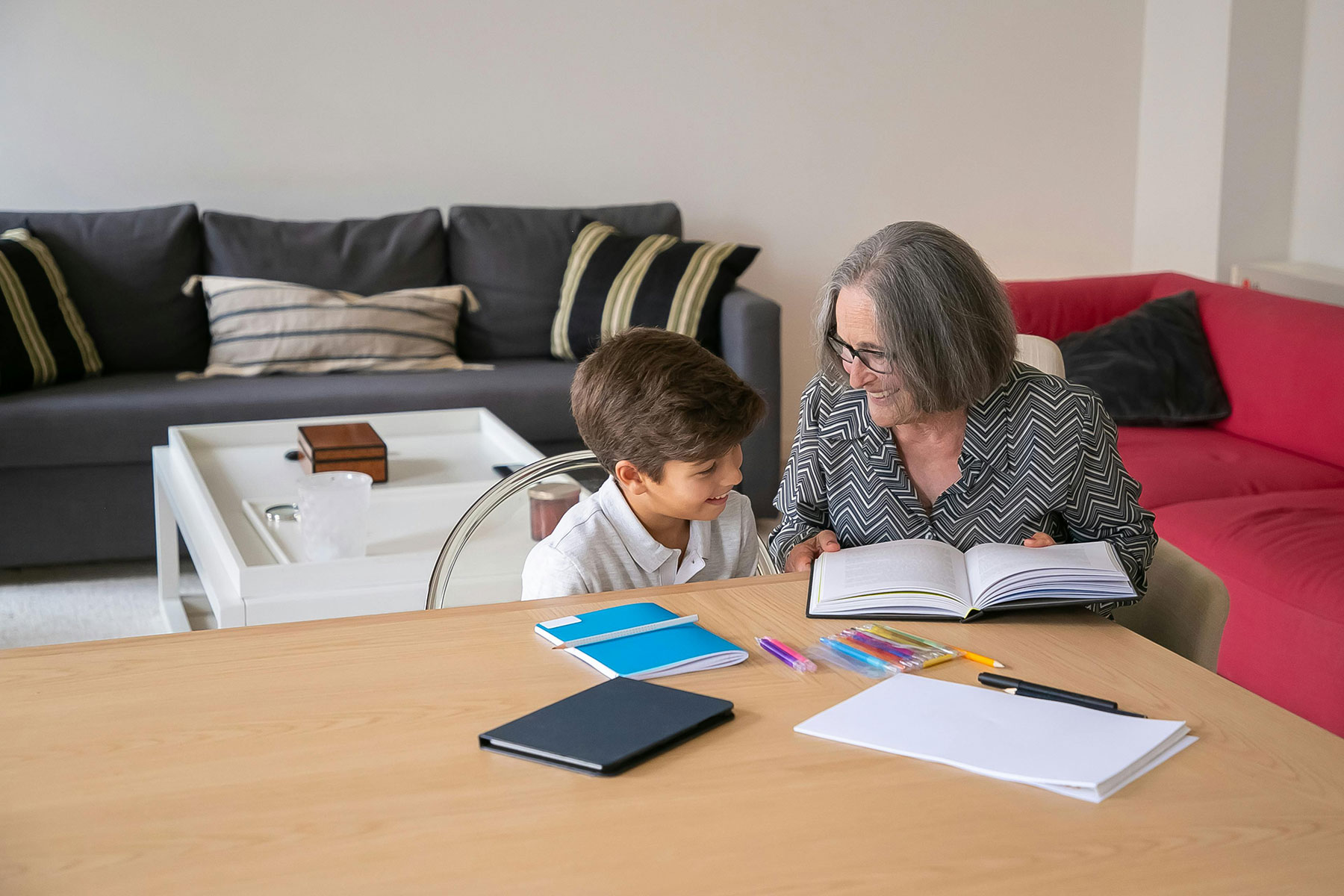
If I asked you to tell me what you remembered most about your favorite teacher growing up, I bet you wouldn’t say much about the subject matter. Instead, I’d expect you to describe how he or she made you feel as you learned that subject matter—the sense of excitement or discovery you felt, or the safety to take chances and make mistakes, or the confidence that you were valued as a human being, warts and all.
According to research, few factors in education have a greater impact on a student’s educational experience than a caring relationship with his or her teacher.
One researcher described it this way: Imagine two teachers teaching the same lesson on poetic construction. One is very impatient with students and the other supportive. Knowing only that, we can probably guess which students learned the lesson better.
Science has found that students who have caring relationships with teachers are academically more successful and show greater “pro-social” (or kind, helpful) behavior. A caring teacher can transform the school experience especially for students who face enormous difficulties, such as dropping out or dysfunctional home lives. One student who faced these kinds of hardships told a researcher that the greatest thing a teacher can do is to care and to understand. “Because if not,” he said, “the kid will say, ‘Oh, they’re giving up on me, so I might as well give up on myself.’”
Share This Post!

The Science of How Our Minds and Our Bodies Converge in the Healing of Trauma
By Maria Popova “A purely disembodied human emotion is a nonentity,” William James asserted in his revolutionary 1884 theory of how our bodies affect our feelings. Two generations later, Rilke wrote in a [...]

Epidemiology of Traumatic Experiences in Childhood
By Benjamin E. Saunders, PhD and Zachary W. Adams, PhD The epidemiology of traumatic experiences in childhood is a key context for research, clinical treatment, program management, and policy development. This article [...]
Emotional and Psychological Trauma: Healing from Trauma and Moving On
By Lawrence Robinson, Melinda Smith, M.A., and Jeanne Segal, Ph.D. If you’ve experienced an extremely stressful or disturbing event that’s left you feeling helpless and emotionally out of control, you may have [...]

How childhood trauma affects the brain
By Maria Cohut It is not news that people abused as children are more exposed to clinical depression, anxiety, and a higher risk of death from suicide. But now, researchers have begun to [...]

Should Childhood Trauma Be Treated As A Public Health Crisis?
By Erin Blakemore, NPR When public health officials get wind of an outbreak of Hepatitis A or influenza, they spring into action with public awareness campaigns, monitoring and outreach. But should they [...]
The Healing Power of Dance Movement Therapy
By Helaina Hovitz As I worked more furiously towards the deadline of finishing the edits on my memoir about growing up with Post Traumatic Stress Disorder while verbally telling my story over [...]