


By Elizabeth Hartney, PhD
Child abuse is known to repeat itself from generation to generation. Although not universal, the children of people with addictions are at higher risk of all types of abuse, and of developing addictions. The reasons why people who were sexually abused in childhood go on to have abusive relationships in adulthood, either as an abuser or as a victim, are complex and well documented. But is breaking the cycle of child abuse possible? Or does the experience of child abuse mean that abusive relationships are inevitable?
Absolutely not. By following these tips, you can stop the cycle of abuse and learn to have strong, nurturing relationships with your own children.
Share This Post!

Post-Traumatic Stress Disorder in Children
CSF written article Your Content Goes Here Source: CDC All children may experience very stressful events that affect how they think and feel. Most of the time, children recover quickly and [...]
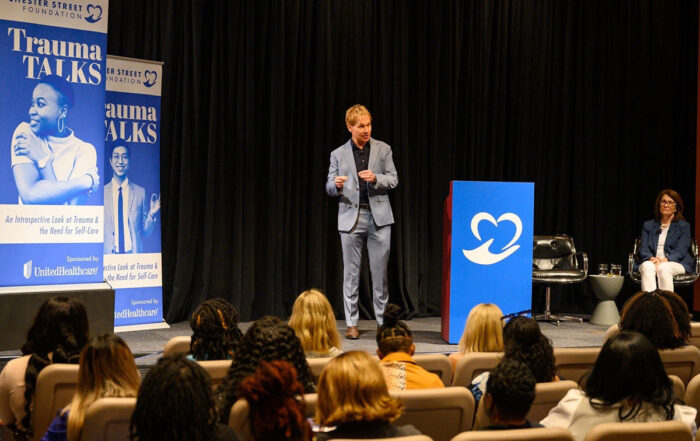
From Survival to Advocacy: How Chester Street Foundation is Healing Texas
CSF written article Your Content Goes Here Written by: Shawn Alex Nemeth In 2009, Shawn Alex Nemeth was hospitalized and diagnosed with Post-Traumatic Stress Disorder (PTSD). It was the culmination of [...]

How Trauma Affects Kids in School
CSF written article Your Content Goes Here Source: Child Mind Institute For many kids who suffer from trauma, it’s not one event. Often, it’s ongoing abuse or neglect. This could [...]

Associations between Adverse Childhood Experiences and Measures of Poor Sleep Health in Adulthood
CSF written article Your Content Goes Here Source: ResearchGate Background: Sleep health is a multidimensional concept that plays a critical role in both physical and mental well-being. While there [...]

Childhood trauma changes how the brain processes caregiver cues
CSF written article Your Content Goes Here Source: PsyPost For most young children, the sight and voice of a parent serve as a primary source of comfort and safety. [...]

Child abuse and eating disorder symptoms: Shedding light on the contribution of identification with the aggressor
CSF written article Your Content Goes Here Source: ScienceDirect Childhood abuse has been increasingly recognized as a risk factor for eating disorder symptoms. Additionally, it has been demonstrated that childhood abuse [...]