


Sam Owens/San Antonio Express-News
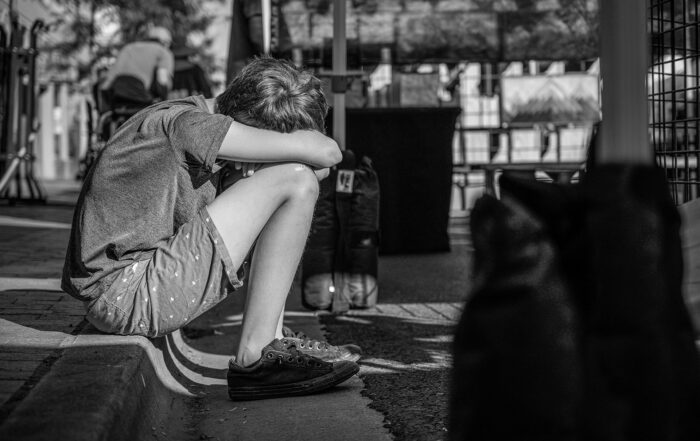
Less than a year after the deadly July 4 flood, Camp Mystic plans to reopen its Cypress Lake location, not far from the still-closed Guadalupe River site where floodwaters filled cabins. We understand the pull to restore what was lost as quickly as possible. But that does not align with what we as therapists, know about how children process loss and fear.
In most situations involving significant loss or trauma, there is an understanding that returning to the place where it occurred requires pause. After events such as school shootings, natural disasters or large-scale accidents, spaces are closed, re-evaluated or permanently changed — because even though they were once meaningful, tragedy has fundamentally altered them.
Share This Post!

Childhood trauma changes how the brain processes caregiver cues
Source: PsyPost For most young children, the sight and voice of a parent serve as a primary source of comfort and safety. A new study suggests that for children who have experienced interpersonal [...]

Child abuse and eating disorder symptoms: Shedding light on the contribution of identification with the aggressor
Source: ScienceDirect Childhood abuse has been increasingly recognized as a risk factor for eating disorder symptoms. Additionally, it has been demonstrated that childhood abuse may lead to identification with the aggressor, an automatic [...]
Can the positive buffer the negative? Testing the impact of protective childhood experiences on adjustment in adults following trauma exposure
Source: National Library of Medicine It is unclear if protective childhood experiences (PCEs), like emotional support and economic stability, exert influence on adulthood adjustment. Prior research suggests PCEs can promote childhood resilience through [...]

Complex Trauma Effects
Source: The National Child Traumatic Stress Network (NCTSN) Children whose families and homes do not provide consistent safety, comfort, and protection may develop ways of coping that allow them to survive and function [...]

Trauma-Informed Organizations
Source: The National Child Traumatic Stress Network (NCTSN) Part 2 provides a broad overview of how to create and implement an institutional framework for trauma-informed services in program delivery and staff development, policies [...]

Early childhood trauma and its long-term impact on cognitive and emotional development
Source: National Library of Medicine Childhood trauma has profound, long-term effects on cognitive and emotional development. This systematic review and meta-analysis sought to synthesis the evidence around the long-term impact of [...]