


By Maria Popova
“A purely disembodied human emotion is a nonentity,” William James asserted in his revolutionary 1884 theory of how our bodies affect our feelings. Two generations later, Rilke wrote in a beautiful letter of advice to a young woman: “I am not one of those who neglect the body in order to make of it a sacrificial offering for the soul, since my soul would thoroughly dislike being served in such a fashion.” And yet in the century since, we’ve made little progress on making sense — much less making use — of the inextricable dialogue between the physical body and the psychoemotional interior landscape we shorthand as “soul.”
Nowhere is this relationship more essential yet more endangered than in our healing from trauma, and no one has provided a more illuminating, sympathetic, and constructive approach to such healing than Boston-based Dutch psychiatrist and pioneering PTSD researcher Bessel van der Kolk. In The Body Keeps the Score: Brain, Mind, and Body in the Healing of Trauma (public library), he explores “the extreme disconnection from the body that so many people with histories of trauma and neglect experience” and the most fertile paths to recovery by drawing on his own work and a wealth of other research in three main areas of study: neuroscience, which deals with how mental processes function within the brain…
Share This Post!

Gratitude Not Required: A Trauma-Informed Thanksgiving for Children in Care
CSF written article Your Content Goes Here By Beth Tyson Children impacted by any kind of family separation, whether it be foster care, adoption, or divorce, don’t have to feel [...]

Emotional and Psychological Trauma
CSF written article Your Content Goes Here By Lawrence Robinson, Melinda Smith, M.A. and Jeanne Segal, Ph.D. What is emotional and psychological trauma? Emotional and psychological trauma occurs when extraordinarily stressful events shatter [...]

Understanding Childhood Trauma: Ways to Support Young People
CSF written article Your Content Goes Here By Boys & Girls Clubs of America For generations, tough childhood experiences have been swept under the rug by phrases like these. Oftentimes, [...]

Addressing The Link Between Trauma And Addiction
CSF written article Your Content Goes Here By National Governors Association Many Americans have experienced traumatic events, toxic stress, and other types of adversity in childhood. However, repeated exposure [...]
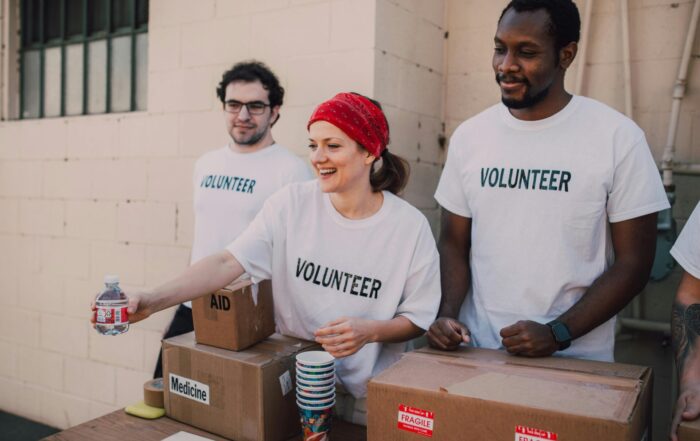
The Health Benefits of Volunteerism
CSF written article Your Content Goes Here By Eric Burger It’s a simple fact that every nonprofit organization knows: volunteering makes you feel better. But did you know that [...]

Checklist: Creating Safe Spaces for Youth
CSF written article Your Content Goes Here By Mental Health America Now more than ever, young people need an environment where they feel seen, heard, and valued. [...] Creating [...]