

By Kirsten Weir
The first time Nathan Fox, PhD, stepped into a Romanian orphanage, he was struck by the silence. “The most remarkable thing about the infant room was how quiet it was, probably because the infants had learned that their cries were not responded to,” says Fox, who directs the Child Development Laboratory at the University of Maryland.
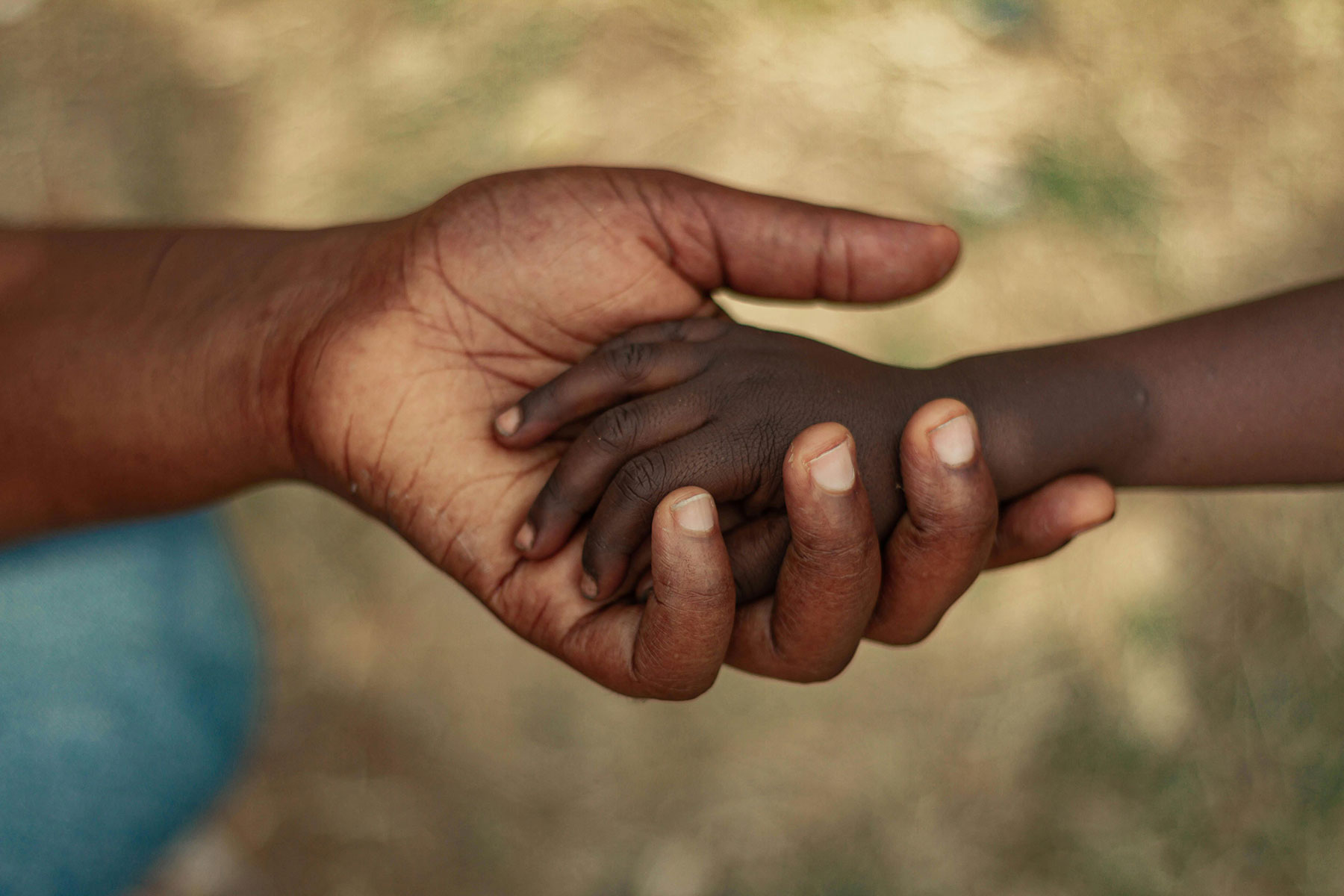
The babies laid in cribs all day, except when being fed, diapered or bathed on a set schedule. They weren’t rocked or sung to. Many stared at their own hands, trying to derive whatever stimulation they could from the world around them. “Basically these kids were left on their own,” Fox says.
Share This Post!
Immigrant Health is Interpersonal
CSF written article Your Content Goes Here By Amanda Venta, PhD Waves of Latinx immigration to the United States have changed in recent decades, and our scientific literature is [...]

Essential Elements of a Trauma-Informed Juvenile Justice System
CSF written article Your Content Goes Here NCTSN Trauma-informed policies and procedures make juvenile justice organizations safer and more effective by ensuring the physical and psychological safety of all [...]

How Childhood Trauma Can Impact the Brain
CSF written article Your Content Goes Here Written by Kaytee Gillis, LCSW A recent study published in Biological Psychiatry: Cognitive Neuroscience and Neuroimaging finds that childhood trauma can lead to [...]

Posttraumatic Stress Disorder: The Missed Diagnosis
CSF written article Your Content Goes Here National Institute of Health Posttraumatic stress disorder (PTSD) is frequently under-diagnosed in maltreated samples. Protective services information is critical for obtaining complete [...]

Types of Therapy for Childhood Trauma Explained
CSF written article Your Content Goes Here Medically reviewed by Akilah Reynolds, PhD — Written by Mandy French on August 30, 2023 Childhood trauma can affect people in various ways. There are many therapy options [...]

The Intersection of Childhood Trauma and Addiction
CSF written article Your Content Goes Here By Shannon Karl Substance dependence leads to persistent negative consequences and the loss of human potential. These consequences often include chronic health [...]