

By Kirsten Weir
The first time Nathan Fox, PhD, stepped into a Romanian orphanage, he was struck by the silence. “The most remarkable thing about the infant room was how quiet it was, probably because the infants had learned that their cries were not responded to,” says Fox, who directs the Child Development Laboratory at the University of Maryland.
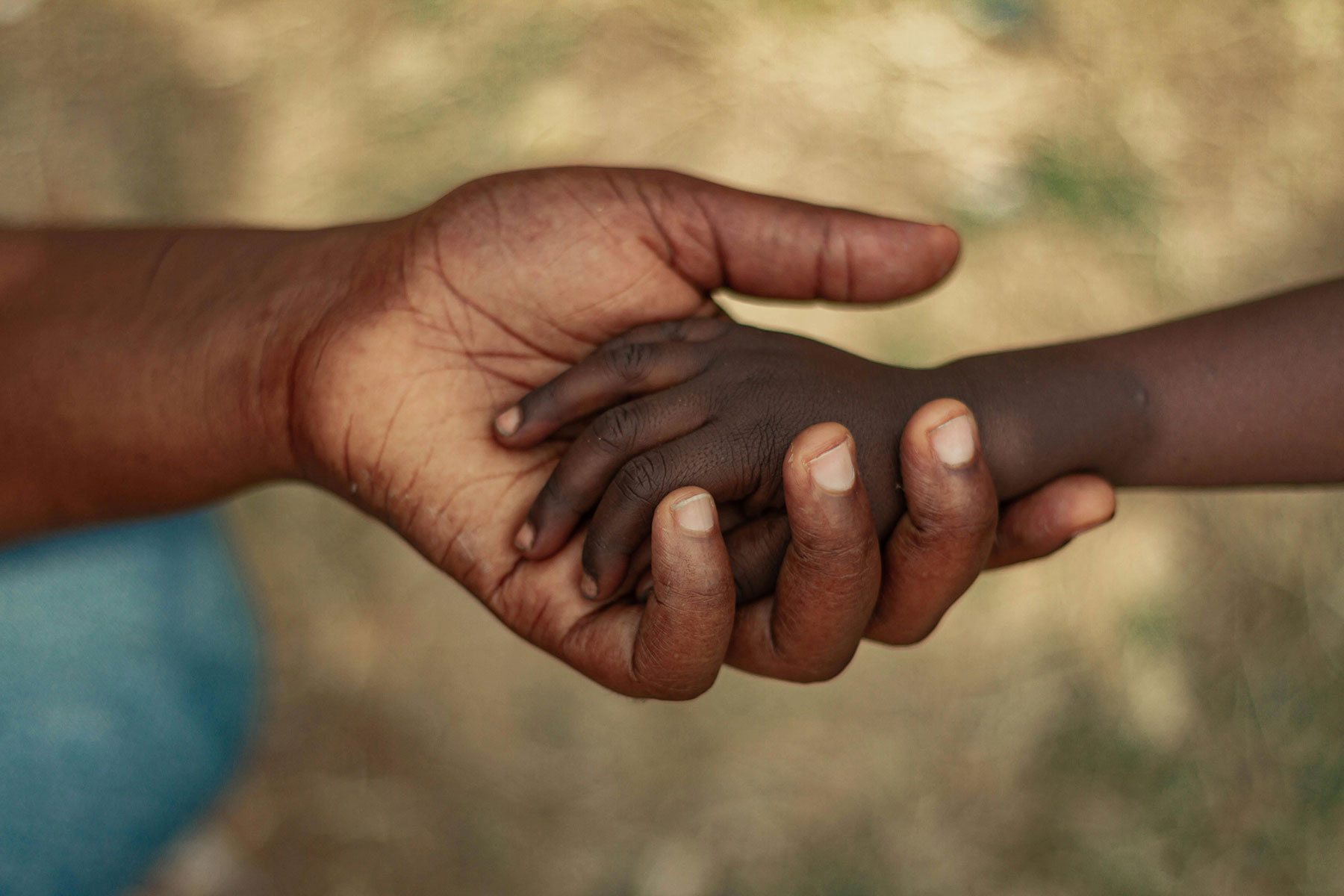
The babies laid in cribs all day, except when being fed, diapered or bathed on a set schedule. They weren’t rocked or sung to. Many stared at their own hands, trying to derive whatever stimulation they could from the world around them. “Basically these kids were left on their own,” Fox says.
Share This Post!

The Power of Mindfulness
CSF written article Your Content Goes Here By Juliann Garey Mindfulness is a meditation practice that helps you calm down. It starts with focusing on your breathing. It helps [...]

Adverse Childhood Experiences
CSF written article Your Content Goes Here By CDC ACEs are common. About 64% of adults in the United States reported they had experienced at least one type of [...]

It Happened Here: Dr. Margaret Morgan Lawrence
CSF written article Your Content Goes Here By NYP History Every time she was turned away, Dr. Margaret Morgan Lawrence, whose career began at NewYork-Presbyterian in the 1940s, found [...]
The Impact of Childhood Trauma on Developing Bipolar Disorder
CSF written article Your Content Goes Here By Yann Quidé, Leonardo Tozzi, Mark Corcoran, Dara M Cannon, Maria R Dauvermann Childhood trauma (CT) has been repeatedly linked to earlier onset and greater severity of [...]

Protecting Children from Sexual Abuse in the #MeToo Era
CSF written article Your Content Goes Here By Nickolas Agathis, MD Do you keep up with any modern social movements, such as #MeToo, #BlackLivesMatter or #KeepFamiliesTogether? The conversations surrounding them are [...]
Immigrant Health is Interpersonal
CSF written article Your Content Goes Here By Amanda Venta, PhD Waves of Latinx immigration to the United States have changed in recent decades, and our scientific literature is [...]