


By Giselle Shardlow
Now more than ever, teaching mindfulness in the classroom is a necessity. Our children are stressed and anxious. Teachers and parents are stressed and anxious, too. Our lives are busy, and we often find our thoughts buzzing over the past or worrying about the future. We need mindfulness because it teaches us to live in the present moment, enjoying and experiencing what’s in front of us.
Educators know that children learn best when they are comfortable, safe, and relaxed. Imagine if, along with giving our children the gift of lifelong learning and the tools to become kind and productive adults, we could also give them the gift of mindfulness — using their breath and mind to lead a happy and healthy life. In turn, teachers will reap the benefits of mindfulness, as well — we all know that a happy teacher has a happy classroom.
Share This Post!
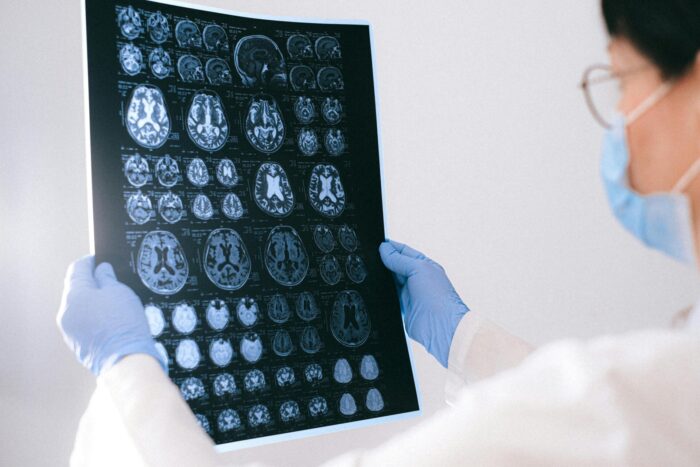
Exploratory Study Associates Childhood Trauma with Brain Features in Abusive Mothers
CSF written article Your Content Goes Here By University of Fukui As sad as it is, child maltreatment continues to be a prevalent global social issue. Recent studies have revealed [...]
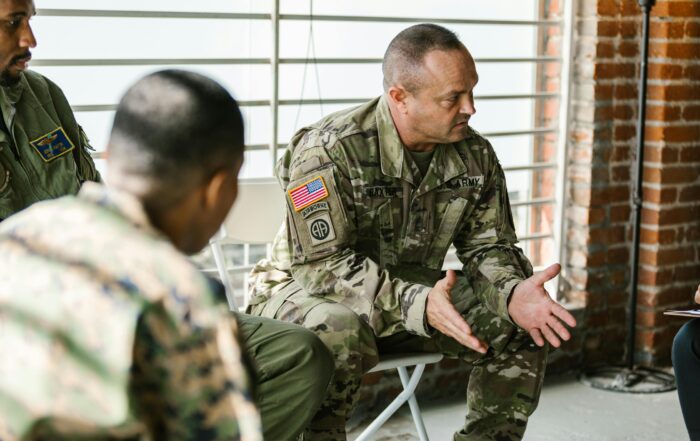
SAMHSA Recognizes Posttraumatic Stress Disorder Awareness Month
CSF written article Your Content Goes Here By Stacey Owens, M.S.W., LCSW-C, Military and Veterans Affairs Liaison, Center for Mental Health Services Although often associated with combat veterans, Posttraumatic Stress Disorder [...]

Post-traumatic Stress Disorder and Cancer
CSF written article Your Content Goes Here By American Society of Clinical Oncology (ASCO) Post-traumatic stress disorder (PTSD) is a type of anxiety disorder. Some people develop PTSD after [...]

Childhood Trauma Impacts Muscle Function in Later Life
CSF written article Your Content Goes Here By Morgan Sherburne – University of Michigan Adverse childhood experiences can detrimentally affect muscle function in older adults by impairing mitochondrial activity [...]

The True Link Between Early Trauma and Adult Mental Health
CSF written article Your Content Goes Here By David Rettew M.D., ABCs of Child Psychiatry The last decade of the 1990s was often labeled the “Decade of the Brain,” [...]

What’s the Best Treatment for PTSD in Children?
CSF written article Your Content Goes Here By Joan Kaufman, PhD Joan Kaufman, PhD, of the Department of Psychiatry at Yale University, discusses the different stages of trauma-focused cognitive [...]