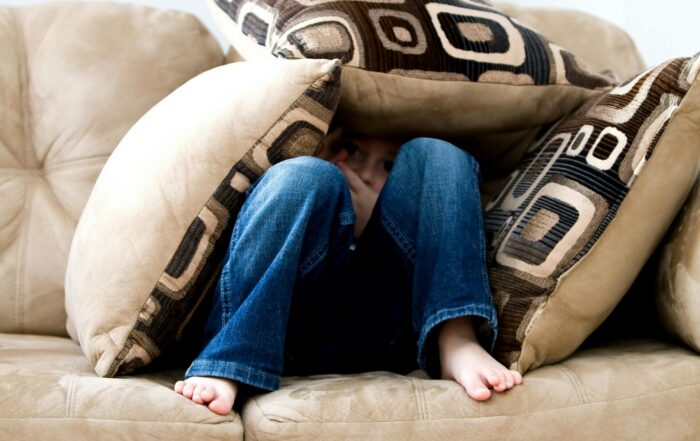
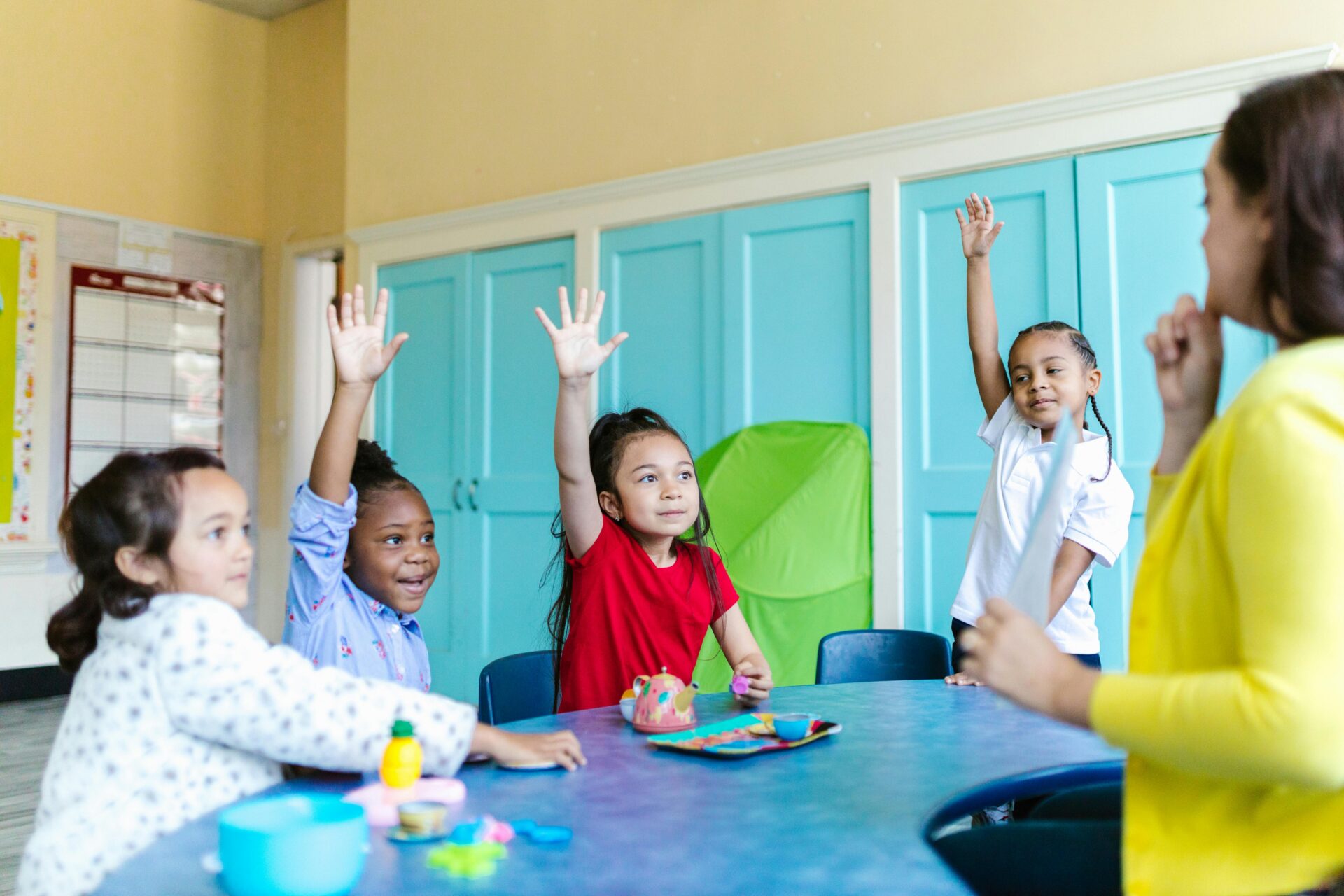
For many kids who suffer from trauma, it’s not one event. Often, it’s ongoing abuse or neglect. This could be violence at home or in their neighborhood. For some, it’s not having a place to sleep. Trauma affects the way kids act in classrooms. Children who’ve gone through trauma are good at hiding pain. Instead, it comes through in ways that look like misbehavior or even ADHD.
When kids learn not to trust adults, they struggle to connect with teachers. They don’t ask for help. They may be jumpy, always looking out for danger. Because it can seem like they’re acting out, schools are quick to punish them. Instead, these kids need teachers to show that you understand how they’re feeling. One way to help is by naming the feeling you see the child expressing. It’s okay if you’re wrong. They’ll probably correct you.
Babies learn to calm themselves when grown-ups soothe them. If a child never had an adult soothe them, they can get to school age unable to cope with big feelings. They’ll need help from a teacher to calm down before they learn to do it themselves.
Traumatized kids often see things in the worst light. They may think they’re bad kids. Or that people are out to get them. They may be so afraid of making mistakes that they won’t try an activity at all. They need help to see that that they’re good kids who deserve to do well.
Kids with trauma can have trouble focusing and thinking things through. They may also act out for attention, even negative attention. It can help when teachers give a lot of positive attention instead. That includes giving them lots of kindness and loving care “just because,” not just when they do something right.

Share This Post!
Childhood trauma changes how the brain processes caregiver cues
Source: PsyPost For most young children, the sight and voice of a parent serve as a primary source of comfort and safety. A new study suggests that for children who have experienced interpersonal [...]
Child abuse and eating disorder symptoms: Shedding light on the contribution of identification with the aggressor
Source: ScienceDirect Childhood abuse has been increasingly recognized as a risk factor for eating disorder symptoms. Additionally, it has been demonstrated that childhood abuse may lead to identification with the aggressor, an automatic [...]
Can the positive buffer the negative? Testing the impact of protective childhood experiences on adjustment in adults following trauma exposure
Source: National Library of Medicine It is unclear if protective childhood experiences (PCEs), like emotional support and economic stability, exert influence on adulthood adjustment. Prior research suggests PCEs can promote childhood resilience through [...]
Complex Trauma Effects
Source: The National Child Traumatic Stress Network (NCTSN) Children whose families and homes do not provide consistent safety, comfort, and protection may develop ways of coping that allow them to survive and function [...]
Trauma-Informed Organizations
Source: The National Child Traumatic Stress Network (NCTSN) Part 2 provides a broad overview of how to create and implement an institutional framework for trauma-informed services in program delivery and staff development, policies [...]
Early childhood trauma and its long-term impact on cognitive and emotional development
Source: National Library of Medicine Childhood trauma has profound, long-term effects on cognitive and emotional development. This systematic review and meta-analysis sought to synthesis the evidence around the long-term impact of [...]