


By Leonard Holmes
Studies have demonstrated over and over that childhood abuse and neglect results in permanent changes to the developing human brain. These changes in brain structure appear to be significant enough to potentially cause psychological and emotional problems in adulthood, such as psychological disorders and/or substance abuse.
MRI
Dr. Martin Teicher and his colleagues at McLean Hospital, Harvard Medical School and Northeastern University, used magnetic resonance imaging (MRI) technology to identify measured changes in brain structure among young adults who had experienced childhood abuse or neglect. There were clear differences in nine brain regions between those who had suffered childhood trauma and those who had not.
Share This Post!
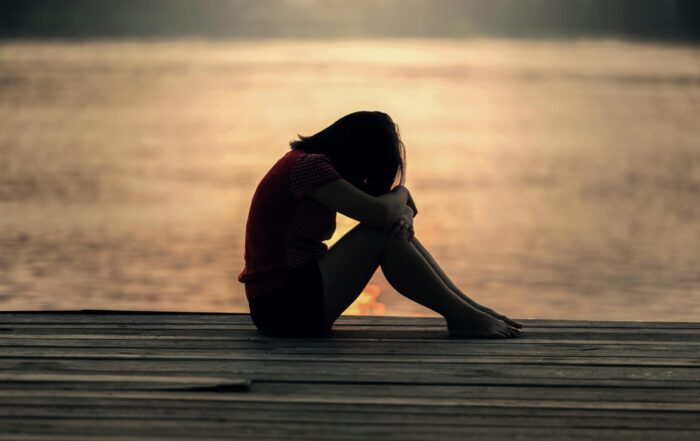
After the Trauma: Helping My Child Cope
CSF written article Your Content Goes Here By The Center for Pediatric Traumatic Stress at Children's Hospital of Philadelphia and Nemours / Alfred I. duPont Hospital for Children A [...]

The Power of Mindfulness
CSF written article Your Content Goes Here By Juliann Garey Mindfulness is a meditation practice that helps you calm down. It starts with focusing on your breathing. It helps [...]

Adverse Childhood Experiences
CSF written article Your Content Goes Here By CDC ACEs are common. About 64% of adults in the United States reported they had experienced at least one type of [...]
It Happened Here: Dr. Margaret Morgan Lawrence
CSF written article Your Content Goes Here By NYP History Every time she was turned away, Dr. Margaret Morgan Lawrence, whose career began at NewYork-Presbyterian in the 1940s, found [...]
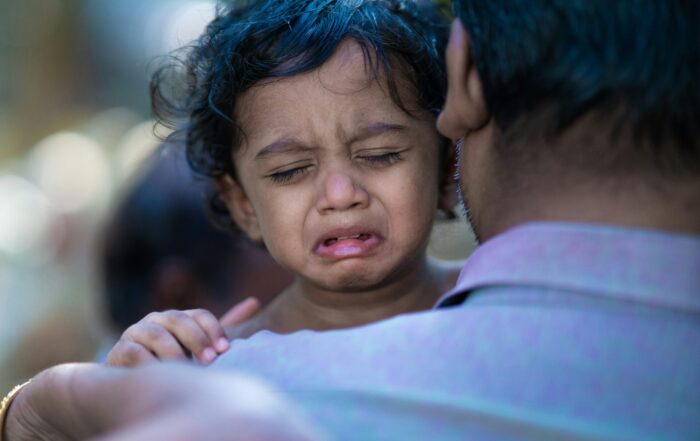
The Impact of Childhood Trauma on Developing Bipolar Disorder
CSF written article Your Content Goes Here By Yann Quidé, Leonardo Tozzi, Mark Corcoran, Dara M Cannon, Maria R Dauvermann Childhood trauma (CT) has been repeatedly linked to earlier onset and greater severity of [...]

Protecting Children from Sexual Abuse in the #MeToo Era
CSF written article Your Content Goes Here By Nickolas Agathis, MD Do you keep up with any modern social movements, such as #MeToo, #BlackLivesMatter or #KeepFamiliesTogether? The conversations surrounding them are [...]