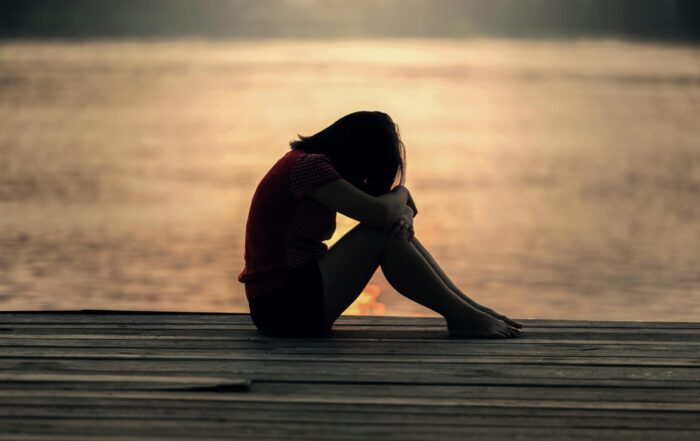
For many, the holiday season is a joyful one – the popular song “Have a Holly, Jolly Christmas” comes to mind – but for children who have or are experiencing trauma, Christmas, Hanukkah, Kwanzaa, New Year’s Eve, and other celebrations represent a season of emotional pain. The barrage of festive sights, sounds, and smells meant to evoke magic and merriment can prompt anxiety, loneliness, and grief in children. And the social pressure and messaging focused on happy family time can be a source of distress for them, either because they may have lost one or more caregivers, or family members have caused them trauma.
Share This Post!
Caring for Caregivers Experiencing Secondary Trauma
By Heather C. Forkey, MD, Elaine Schulte, MD, MPH, and Luanne Thorndyke, MD Secondary traumatic stress (STS) is the emotional duress caused by indirect exposure to distressing events experienced by others. [...]
How to Talk About Mental Health
By SAMHSA Mental health is essential to a person’s life in the same way as physical health. Hesitation to talk about mental health adds to the notion that the topic is [...]
Prioritizing Minority Mental Health
By CDC Office of Health Equity Mental health matters! Mental health includes our emotional, psychological, and social well-being. It affects how we think, feel, act, handle stress, relate to others, and make [...]
Exploratory Study Associates Childhood Trauma with Brain Features in Abusive Mothers
By University of Fukui As sad as it is, child maltreatment continues to be a prevalent global social issue. Recent studies have revealed that up to one billion children aged 2 [...]
SAMHSA Recognizes Posttraumatic Stress Disorder Awareness Month
By Stacey Owens, M.S.W., LCSW-C, Military and Veterans Affairs Liaison, Center for Mental Health Services Although often associated with combat veterans, Posttraumatic Stress Disorder (PTSD) is a mental health condition that [...]
Post-traumatic Stress Disorder and Cancer
By American Society of Clinical Oncology (ASCO) Post-traumatic stress disorder (PTSD) is a type of anxiety disorder. Some people develop PTSD after experiencing a frightening or life-threatening situation. PTSD is most [...]