

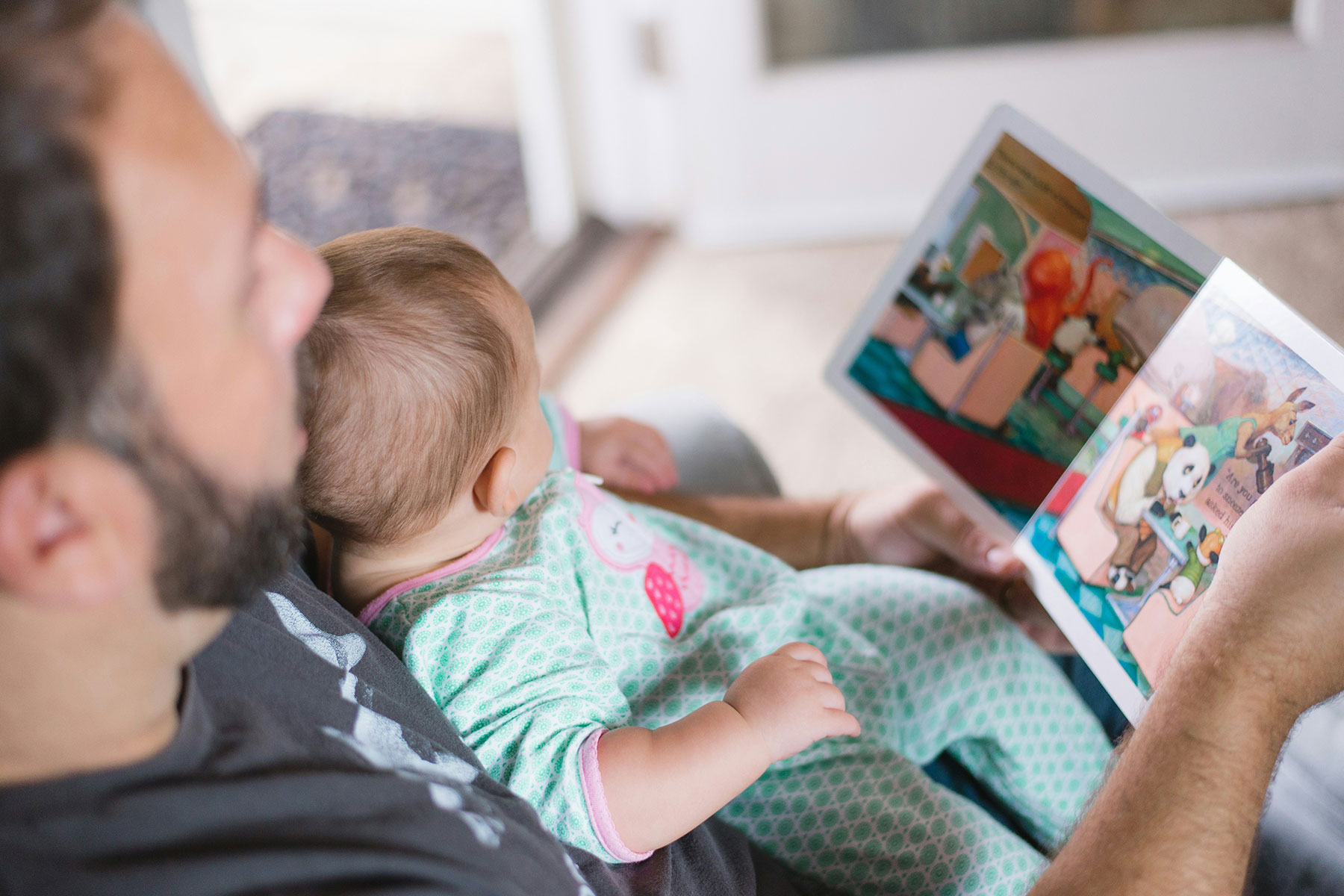
Anyone who’s soothed a fussing baby knows that gentle rocking often does the trick. The vestibular (balance-related) stimulation that rocking creates is certainly a part of that.
Equally important is the rhythm that comes with rocking. That’s because rhythm, when steady and comfortably paced, has a calming effect on the human nervous system, and a regulating effect on the human brain.
What this rhythmic movement actually regulates is the lower, more primitive region of the brain: the brainstem.
The brainstem comes from our reptilian ancestors. Not only is it the first region to develop, but throughout our lives it acts as the gateway for most incoming and outgoing transmissions. This means that very little travels to or from the higher regions without going through the brainstem.
Share This Post!

How Trauma Affects Kids in School
CSF written article Your Content Goes Here Source: Child Mind Institute For many kids who suffer from trauma, it’s not one event. Often, it’s ongoing abuse or neglect. This could [...]
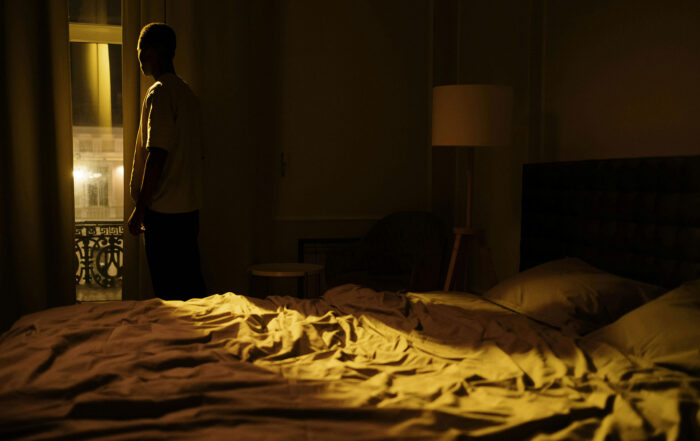
Associations between Adverse Childhood Experiences and Measures of Poor Sleep Health in Adulthood
CSF written article Your Content Goes Here Source: ResearchGate Background: Sleep health is a multidimensional concept that plays a critical role in both physical and mental well-being. While there [...]

Childhood trauma changes how the brain processes caregiver cues
CSF written article Your Content Goes Here Source: PsyPost For most young children, the sight and voice of a parent serve as a primary source of comfort and safety. [...]

Child abuse and eating disorder symptoms: Shedding light on the contribution of identification with the aggressor
CSF written article Your Content Goes Here Source: ScienceDirect Childhood abuse has been increasingly recognized as a risk factor for eating disorder symptoms. Additionally, it has been demonstrated that childhood abuse [...]

Can the positive buffer the negative? Testing the impact of protective childhood experiences on adjustment in adults following trauma exposure
CSF written article Your Content Goes Here Source: National Library of Medicine It is unclear if protective childhood experiences (PCEs), like emotional support and economic stability, exert influence on [...]

Complex Trauma Effects
CSF written article Your Content Goes Here Source: The National Child Traumatic Stress Network (NCTSN) Children whose families and homes do not provide consistent safety, comfort, and protection may [...]