

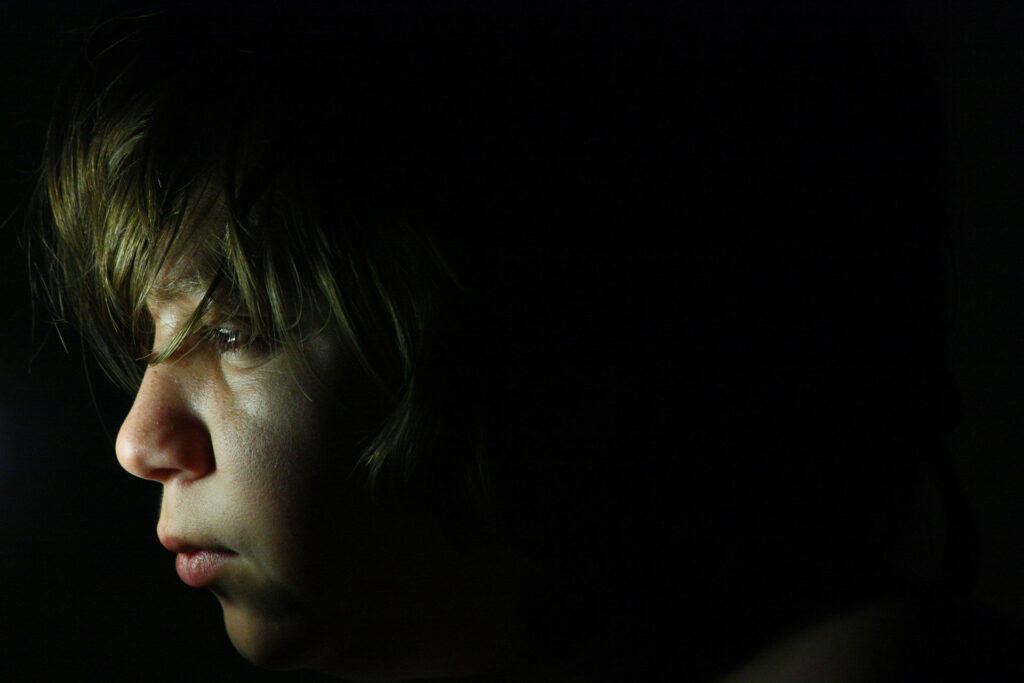
Children whose families and homes do not provide consistent safety, comfort, and protection may develop ways of coping that allow them to survive and function day to day. For instance, they may be overly sensitive to the moods of others, always watching to figure out what the adults around them are feeling and how they will behave. They may withhold their own emotions from others, never letting them see when they are afraid, sad, or angry. These kinds of learned adaptations make sense when physical and/or emotional threats are ever-present. As a child grows up and encounters situations and relationships that are safe, these adaptations are no longer helpful, and may in fact be counterproductive and interfere with the capacity to live, love, and be loved.
Complex trauma can affect children in a multitude of ways. Here are some common effects.
Share This Post!

Associations between Adverse Childhood Experiences and Measures of Poor Sleep Health in Adulthood
Source: ResearchGate Background: Sleep health is a multidimensional concept that plays a critical role in both physical and mental well-being. While there is evidence to suggest that sleep health may be linked [...]
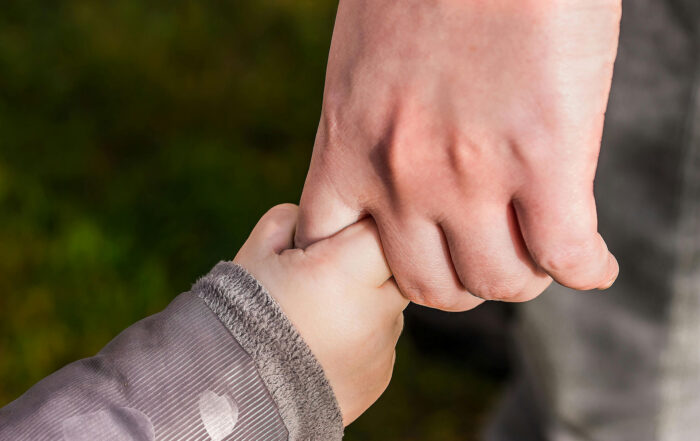
Childhood trauma changes how the brain processes caregiver cues
Source: PsyPost For most young children, the sight and voice of a parent serve as a primary source of comfort and safety. A new study suggests that for children who have experienced interpersonal [...]

Child abuse and eating disorder symptoms: Shedding light on the contribution of identification with the aggressor
Source: ScienceDirect Childhood abuse has been increasingly recognized as a risk factor for eating disorder symptoms. Additionally, it has been demonstrated that childhood abuse may lead to identification with the aggressor, an automatic [...]
Can the positive buffer the negative? Testing the impact of protective childhood experiences on adjustment in adults following trauma exposure
Source: National Library of Medicine It is unclear if protective childhood experiences (PCEs), like emotional support and economic stability, exert influence on adulthood adjustment. Prior research suggests PCEs can promote childhood resilience through [...]

Complex Trauma Effects
Source: The National Child Traumatic Stress Network (NCTSN) Children whose families and homes do not provide consistent safety, comfort, and protection may develop ways of coping that allow them to survive and function [...]

Trauma-Informed Organizations
Source: The National Child Traumatic Stress Network (NCTSN) Part 2 provides a broad overview of how to create and implement an institutional framework for trauma-informed services in program delivery and staff development, policies [...]