

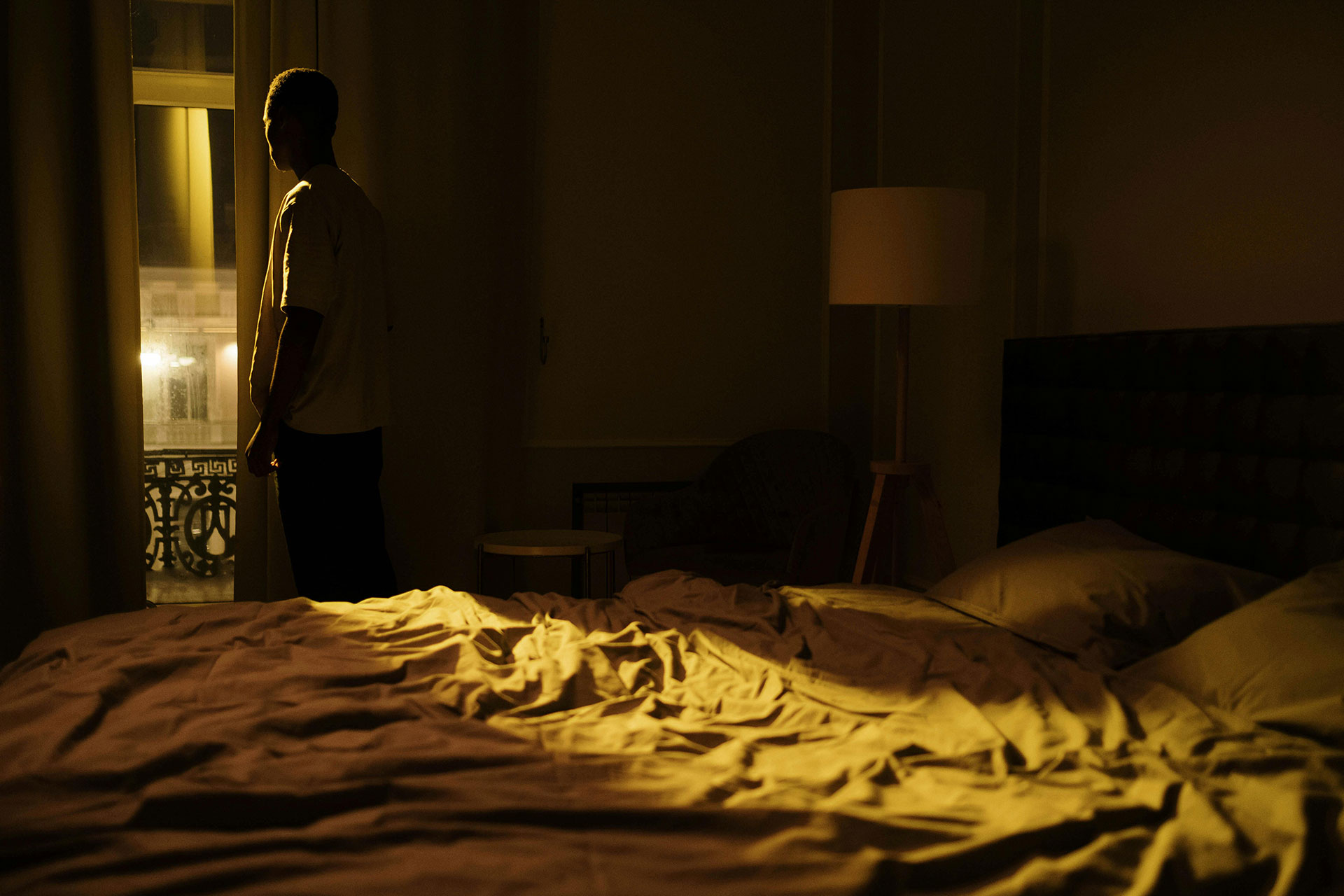
Background: Sleep health is a multidimensional concept that plays a critical role in both physical and mental well-being. While there is evidence to suggest that sleep health may be linked to long-term trauma associated with adverse childhood experiences (ACEs), most prior studies have focused on only one or two aspects of sleep health. Methods: We analyzed data from the Cape Cod Health Study to examine the relationship between the number of ACEs and twelve specific types of ACEs on a broad range of poor sleep health in adulthood. These included self-reported diagnoses of sleep apnea or other sleep disorders, short sleep duration, difficulty falling or staying asleep, feeling unrefreshed in the morning, trouble staying awake during the day, breathing pauses during sleep, and loud snoring. Results: Any ACE history was associated with an increased risk of numerous measures of poor sleep health, including sleep apnea or other sleep disorders, difficulty falling or staying asleep, trouble staying awake, and feeling poorly rested. Individuals with any ACE had a 1.72-fold increased risk of exhibiting three or more poor sleep quality measures (95% CI: 1.22-2.44), while those with four or more ACEs had a higher 2.30-fold increased risk of three or more poor sleep health measures (95% CI: 1.42-3.71). The risk of sleep apnea or other sleep disorders was increased among individuals with a history of peer isolation and rejection (Risk Ratio (RR): 3.92, 95% CI: 2.11-7.30), peer victimization (RR: 3.15, 95% CI: 1.54-6.44), and mental illness in a household member (RR: 2.92, 95% CI: 1.63-5.25). Notable associations with other measures of poor sleep included having an incarcerated household member, peer victimization and isolation, living in a “dangerous” community, and experiencing physical or sexual abuse. Conclusions: These findings underscore the importance of screening and implementing early interventions to prevent adverse childhood experiences. Identifying individuals at high risk can facilitate trauma-informed care, potentially reducing poor sleep health and its associated health issues during adulthood.
Share This Post!

InBrief: Early Childhood Mental Health
Published by The Center on the Developing Child, Harvard University The science of child development shows that the foundation for sound mental health is built early in life, as early experiences—which include [...]

At the Intersection of Autism and Trauma
By Lauren Gravitz Having autism can sometimes mean enduring a litany of traumatic events, starting from a young age. “We know that about 70 percent of kids with autism will have [...]

Post Traumatic Stress Disorder in Autistic People
By Dr Freya Rumball The risk of PTSD is higher for groups who are more likely to be exposed to traumatic events. Research indicates that autistic people may be more likely [...]
Afraid to sleep indoors: Child survivors of deadly quake left traumatized
By Zeena Saifi, Dalya Al Masri and Nadeen Ebrahim, CNN For victims in Syria, the earthquake is another crisis amid a devastating 12-year civil war. Children and families who were recovering from PTSD and ongoing trauma from [...]
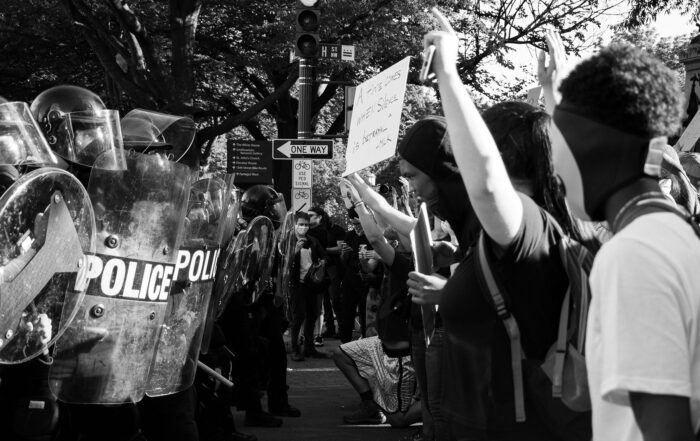
How to Cope with Vicarious Trauma Caused by Videos of Police Brutality
By Jade Hindmon, NPR Many of us spent recent days thinking about the life of a man we never met. And yet, particularly for Black people, know very well. Tyre Nichols [...]

The Effects of Racial Trauma on Mental Health: Deaths Captured on TV and Media
National Alliance on Mental Illness Racial tension is once again at a critical tipping point in the U.S. Many people have asked, “Why now? Why was the death of George Floyd [...]