

Published by The Center on the Developing Child, Harvard University
The science of child development shows that the foundation for sound mental health is built early in life, as early experiences—which include children’s relationships with parents, caregivers, relatives, teachers, and peers—shape the architecture of the developing brain. Disruptions in this developmental process can impair a child’s capacities for learning and relating to others, with lifelong implications. For society, many costly problems, ranging from the failure to complete high school to incarceration to homelessness, could be dramatically reduced if attention were paid to improving children’s environments of relationships and experiences early in life.
Share This Post!

From Supporter to Steward
Your Content Goes Here Source: Raymond James Financial, Inc. Estate & Giving Why board leadership is one of the most impactful ways to give back Philanthropy is often measured in dollars, [...]

How do trauma and adverse childhood experiences affect children?
CHOC Your Content Goes Here Source: CHOC Childhood should be a time of safety, growth, and discovery—but for many children, it’s marked by trauma, instability, or neglect. Adverse childhood experiences (ACEs), [...]
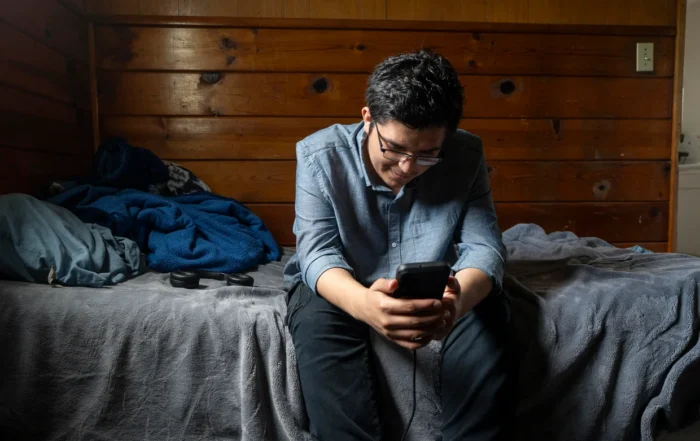
Arrests of immigrant parents create mental health crisis for children
Damian Zermeño talks to his father over video chat. Saúl Zermeño, a single parent, was deported to Mexico in October after living 36 years in the United States. Karla Gachet for KFF Health News [...]

Risk and Protective Factors
Your Content Goes Here Source: CDC Adverse childhood experiences (ACEs) are not often caused by a single factor. Instead, a combination of factors at the individual, relationship, community, and societal levels can [...]

We’re therapists. Here’s why it’s too soon for kids to return to Camp Mystic.
Sam Owens/San Antonio Express-News CSF written article Your Content Goes Here Source: Houston Chronicle Less than a year after the deadly July 4 flood, Camp Mystic plans to reopen its Cypress Lake location, not [...]

Women who experience trauma are twice as likely as men to develop PTSD. Here’s why
Your Content Goes Here Source: American Psychological Association More than half of all women will be exposed to at least one traumatic event in their lifetime, according to the National Center [...]