

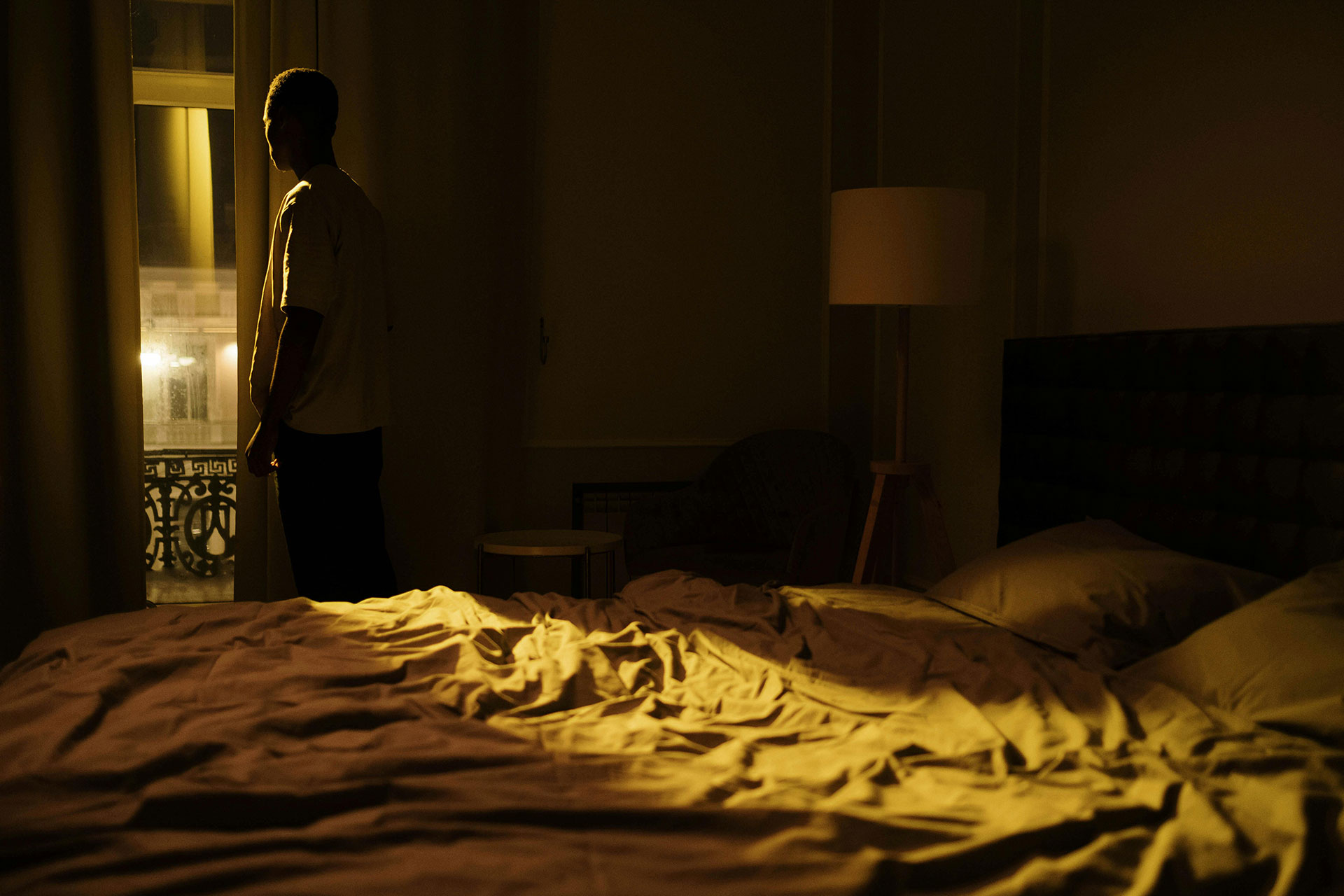
Background: Sleep health is a multidimensional concept that plays a critical role in both physical and mental well-being. While there is evidence to suggest that sleep health may be linked to long-term trauma associated with adverse childhood experiences (ACEs), most prior studies have focused on only one or two aspects of sleep health. Methods: We analyzed data from the Cape Cod Health Study to examine the relationship between the number of ACEs and twelve specific types of ACEs on a broad range of poor sleep health in adulthood. These included self-reported diagnoses of sleep apnea or other sleep disorders, short sleep duration, difficulty falling or staying asleep, feeling unrefreshed in the morning, trouble staying awake during the day, breathing pauses during sleep, and loud snoring. Results: Any ACE history was associated with an increased risk of numerous measures of poor sleep health, including sleep apnea or other sleep disorders, difficulty falling or staying asleep, trouble staying awake, and feeling poorly rested. Individuals with any ACE had a 1.72-fold increased risk of exhibiting three or more poor sleep quality measures (95% CI: 1.22-2.44), while those with four or more ACEs had a higher 2.30-fold increased risk of three or more poor sleep health measures (95% CI: 1.42-3.71). The risk of sleep apnea or other sleep disorders was increased among individuals with a history of peer isolation and rejection (Risk Ratio (RR): 3.92, 95% CI: 2.11-7.30), peer victimization (RR: 3.15, 95% CI: 1.54-6.44), and mental illness in a household member (RR: 2.92, 95% CI: 1.63-5.25). Notable associations with other measures of poor sleep included having an incarcerated household member, peer victimization and isolation, living in a “dangerous” community, and experiencing physical or sexual abuse. Conclusions: These findings underscore the importance of screening and implementing early interventions to prevent adverse childhood experiences. Identifying individuals at high risk can facilitate trauma-informed care, potentially reducing poor sleep health and its associated health issues during adulthood.
Share This Post!

How Trauma Affects Kids in School
Source: Child Mind Institute For many kids who suffer from trauma, it’s not one event. Often, it’s ongoing abuse or neglect. This could be violence at home or in their neighborhood. [...]
Associations between Adverse Childhood Experiences and Measures of Poor Sleep Health in Adulthood
Source: ResearchGate Background: Sleep health is a multidimensional concept that plays a critical role in both physical and mental well-being. While there is evidence to suggest that sleep health may be linked [...]
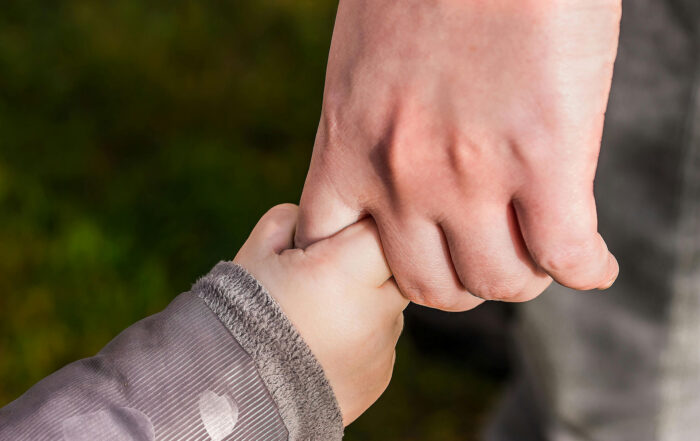
Childhood trauma changes how the brain processes caregiver cues
Source: PsyPost For most young children, the sight and voice of a parent serve as a primary source of comfort and safety. A new study suggests that for children who have experienced interpersonal [...]

Child abuse and eating disorder symptoms: Shedding light on the contribution of identification with the aggressor
Source: ScienceDirect Childhood abuse has been increasingly recognized as a risk factor for eating disorder symptoms. Additionally, it has been demonstrated that childhood abuse may lead to identification with the aggressor, an automatic [...]
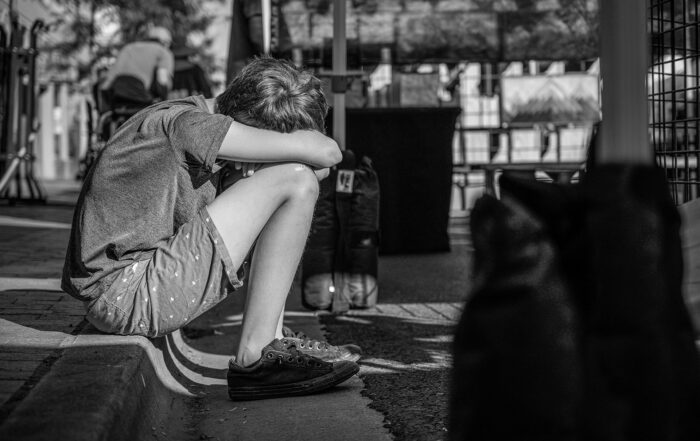
Can the positive buffer the negative? Testing the impact of protective childhood experiences on adjustment in adults following trauma exposure
Source: National Library of Medicine It is unclear if protective childhood experiences (PCEs), like emotional support and economic stability, exert influence on adulthood adjustment. Prior research suggests PCEs can promote childhood resilience through [...]

Complex Trauma Effects
Source: The National Child Traumatic Stress Network (NCTSN) Children whose families and homes do not provide consistent safety, comfort, and protection may develop ways of coping that allow them to survive and function [...]