

By Jayne O’Donnel and Mabinty Quarshie USA TODAY
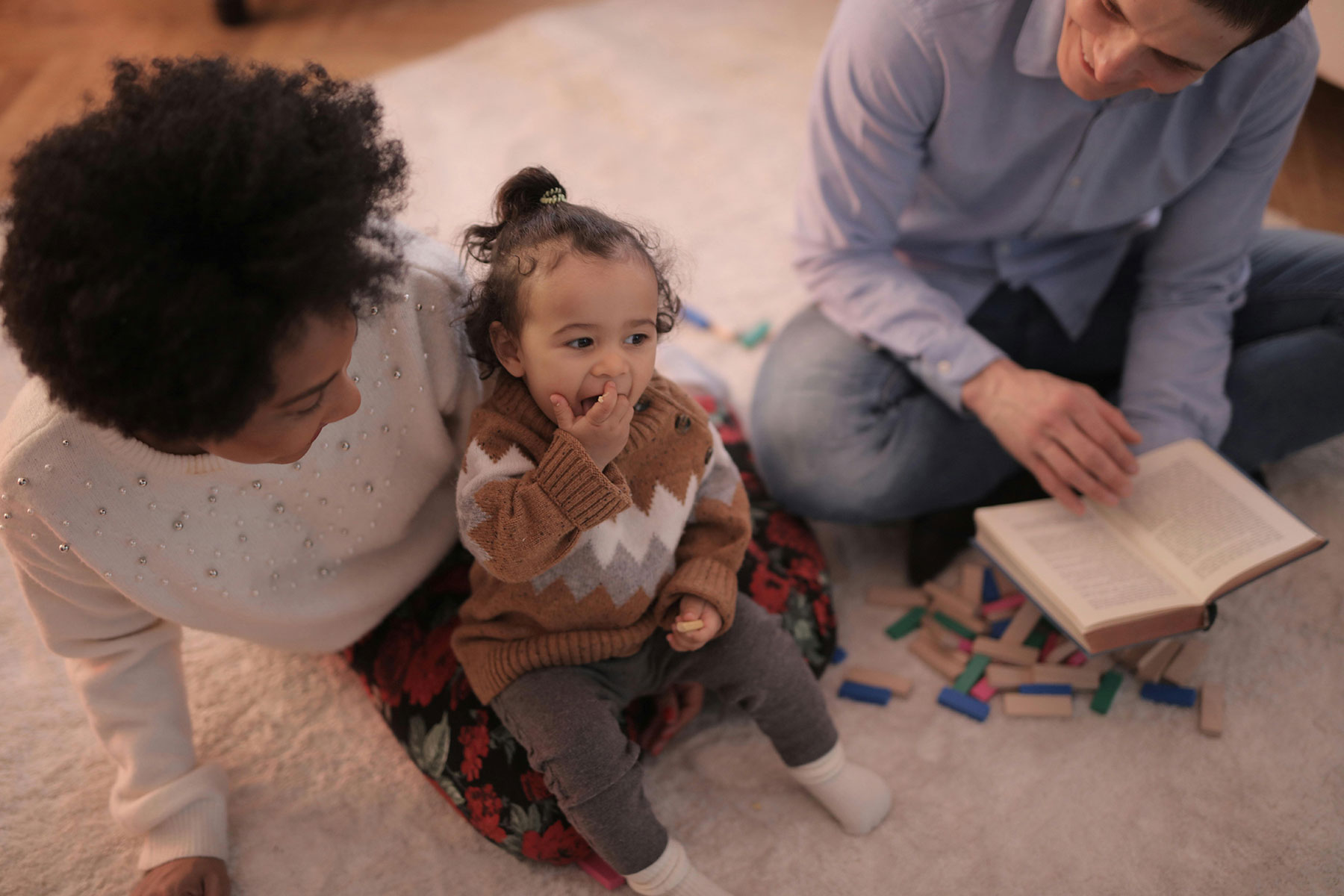
SAVANNAH, Ga. – Latrelle Huff says her twins were conceived by rape.
Now she blames domestic violence for her children’s health problems.
The Georgia woman says she had been in an abusive, on-and-off relationship for six years when she became pregnant. While pregnant, she says, the conflict continued. Huff spent 25 of 37 weeks on bed rest, she says, due in part to rectal bleeding her doctors said was caused by stress.
Two days after the twins were born in 2014, Huff says, the father took a swing at her. He was holding their newborn son. They were still in the hospital. Huff had just delivered by Cesarean section. “He was so angry at me because my milk wouldn’t come in,” Huff, 39, told USA TODAY.
The boy was born with “floppy baby syndrome,” a muscular condition doctors said might be attributed to abuse during pregnancy. Both children struggle with health issues, including speech disorders, and have spent months in instructional therapy to learn how to follow directions.
Share This Post!

From Supporter to Steward
Your Content Goes Here Source: Raymond James Financial, Inc. Estate & Giving Why board leadership is one of the most impactful ways to give back Philanthropy is often measured in dollars, [...]
How do trauma and adverse childhood experiences affect children?
CHOC Your Content Goes Here Source: CHOC Childhood should be a time of safety, growth, and discovery—but for many children, it’s marked by trauma, instability, or neglect. Adverse childhood experiences (ACEs), [...]
Arrests of immigrant parents create mental health crisis for children
Damian Zermeño talks to his father over video chat. Saúl Zermeño, a single parent, was deported to Mexico in October after living 36 years in the United States. Karla Gachet for KFF Health News [...]
Risk and Protective Factors
Your Content Goes Here Source: CDC Adverse childhood experiences (ACEs) are not often caused by a single factor. Instead, a combination of factors at the individual, relationship, community, and societal levels can [...]
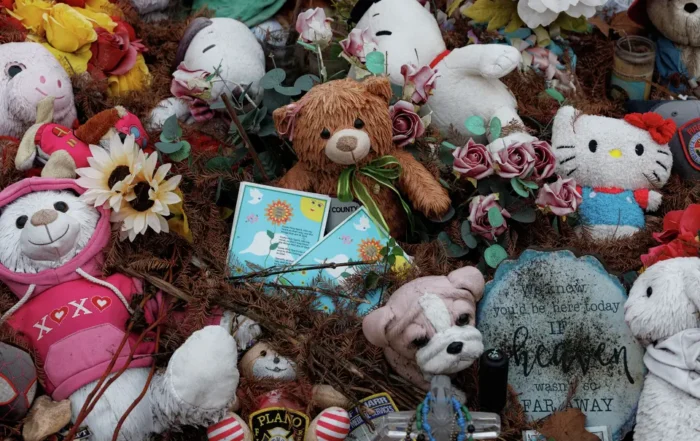
We’re therapists. Here’s why it’s too soon for kids to return to Camp Mystic.
Sam Owens/San Antonio Express-News CSF written article Your Content Goes Here Source: Houston Chronicle Less than a year after the deadly July 4 flood, Camp Mystic plans to reopen its Cypress Lake location, not [...]
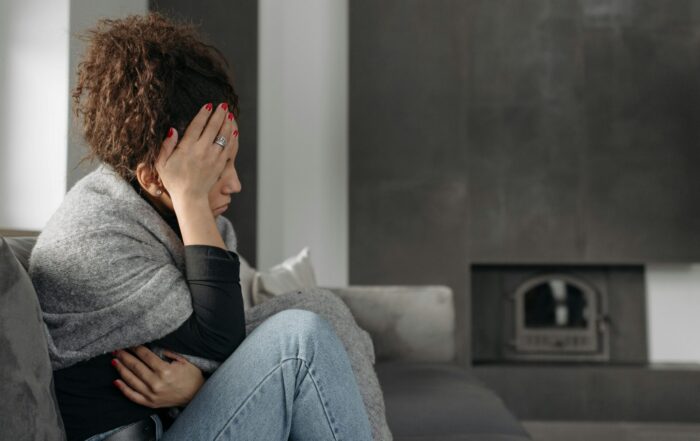
Women who experience trauma are twice as likely as men to develop PTSD. Here’s why
Your Content Goes Here Source: American Psychological Association More than half of all women will be exposed to at least one traumatic event in their lifetime, according to the National Center [...]