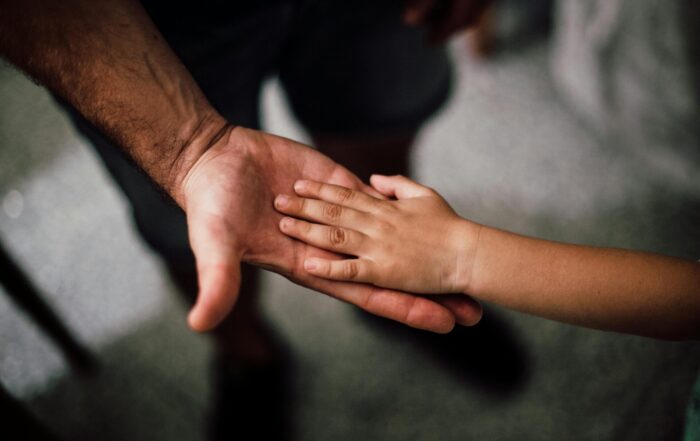

All children may experience very stressful events that affect how they think and feel. Most of the time, children recover quickly and well. However, sometimes children who experience severe stress—such as from an injury, the death or threatened death of a close family member or friend, or violence—will be affected long-term.
The child could experience this trauma directly or could witness it happening to someone else. When children develop long-term symptoms (longer than one month) from such stress, which are upsetting or interfere with their relationships and activities, they may be diagnosed with post-traumatic stress disorder (PTSD).
Share This Post!
Checklist: Creating Safe Spaces for Youth
By Mental Health America Now more than ever, young people need an environment where they feel seen, heard, and valued. [...] Creating connection starts with you, so allow youth to get [...]
What is Childhood Trauma: Trauma Types
By The National Child Traumatic Stress Network When a child feels intensely threatened by an event he or she is involved in or witnesses, we call that event a trauma. There [...]
Racial Trauma
By Mental Health America Racial trauma, or race-based traumatic stress (RBTS), refers to the mental and emotional injury caused by encounters with racial bias and ethnic discrimination, racism, and hate crimes. Any [...]
For Children With a Disability, a Higher Risk of Trauma
By Steven Ross Johnson, US News Research released Wednesday by the Centers for Disease Control and Prevention shows a larger share of children with disabilities between 5 and 17 years of age [...]
Stress & Trauma Toolkit for Treating LGBTQ in a Changing Political and Social Environment
By American Psychiatric Association Violence against the LGBTQ community has increased over recent years. In 2016, the Pulse nightclub shooting in Orlando shocked the nation—with a single gunman killing 49 people and [...]
How Organizations Can Support LGBTQ Youth Facing Trauma
By Center on Child Wellbeing & Trauma As an organization that supports children who have experienced trauma, it’s important to remember that every child’s experience is different. Those in the LGBTQ community need [...]