
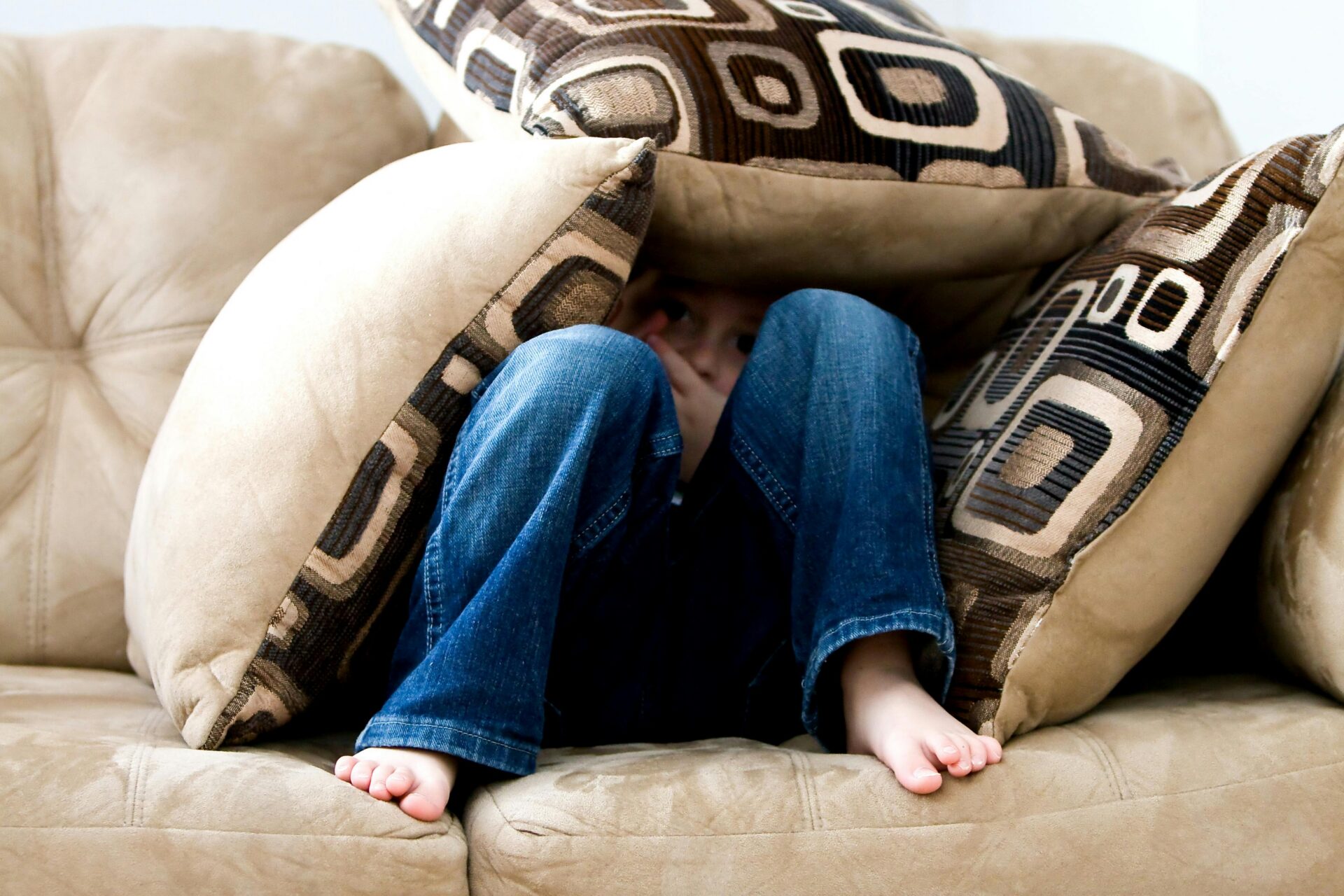
Post-Traumatic Stress Disorder in Children

All children may experience very stressful events that affect how they think and feel. Most of the time, children recover quickly and well. However, sometimes children who experience severe stress—such as from an injury, the death or threatened death of a close family member or friend, or violence—will be affected long-term.

The child could experience this trauma directly or could witness it happening to someone else. When children develop long-term symptoms (longer than one month) from such stress, which are upsetting or interfere with their relationships and activities, they may be diagnosed with post-traumatic stress disorder (PTSD).

Share This Post!

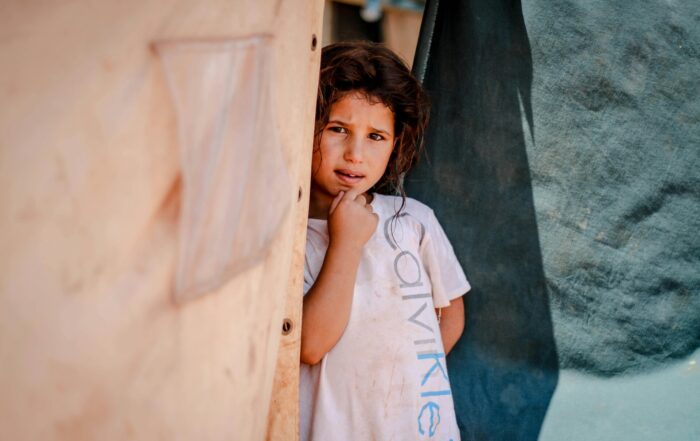
How a History of Trauma is Affecting the Children of Gaza

By Rhitu Chatterjee, NPR Researchers say the cumulative trauma of chronic ethnic-political violence has a profound and lasting impact on children's mental health and development, affecting their functioning and outlook on the [...]

Helping Children Cope After a Traumatic Event

Provided by the Child Mind Institute In the wake of a traumatic event, your comfort, support and reassurance can make children feel safe, help them manage their fears, guide them through their [...]

Mental Health Resources for Caregivers

Provided by Mental Health America Caregiving can often have a significant impact on the life of the caregiver in more ways than one. It can make maintaining your physical and mental health [...]

Post-Traumatic Growth

Psychology Today Post-Traumatic Growth is the positive psychological change that some individuals experience after a life crisis or traumatic event. Post-traumatic growth doesn’t deny deep distress, but rather posits that adversity can [...]

Change A Child’s Life

Please join us today and shine a light on the invisible wounds of childhood trauma so that abused children receive the treatment they deserve.