

By Erica Zurek and Alander Rocha
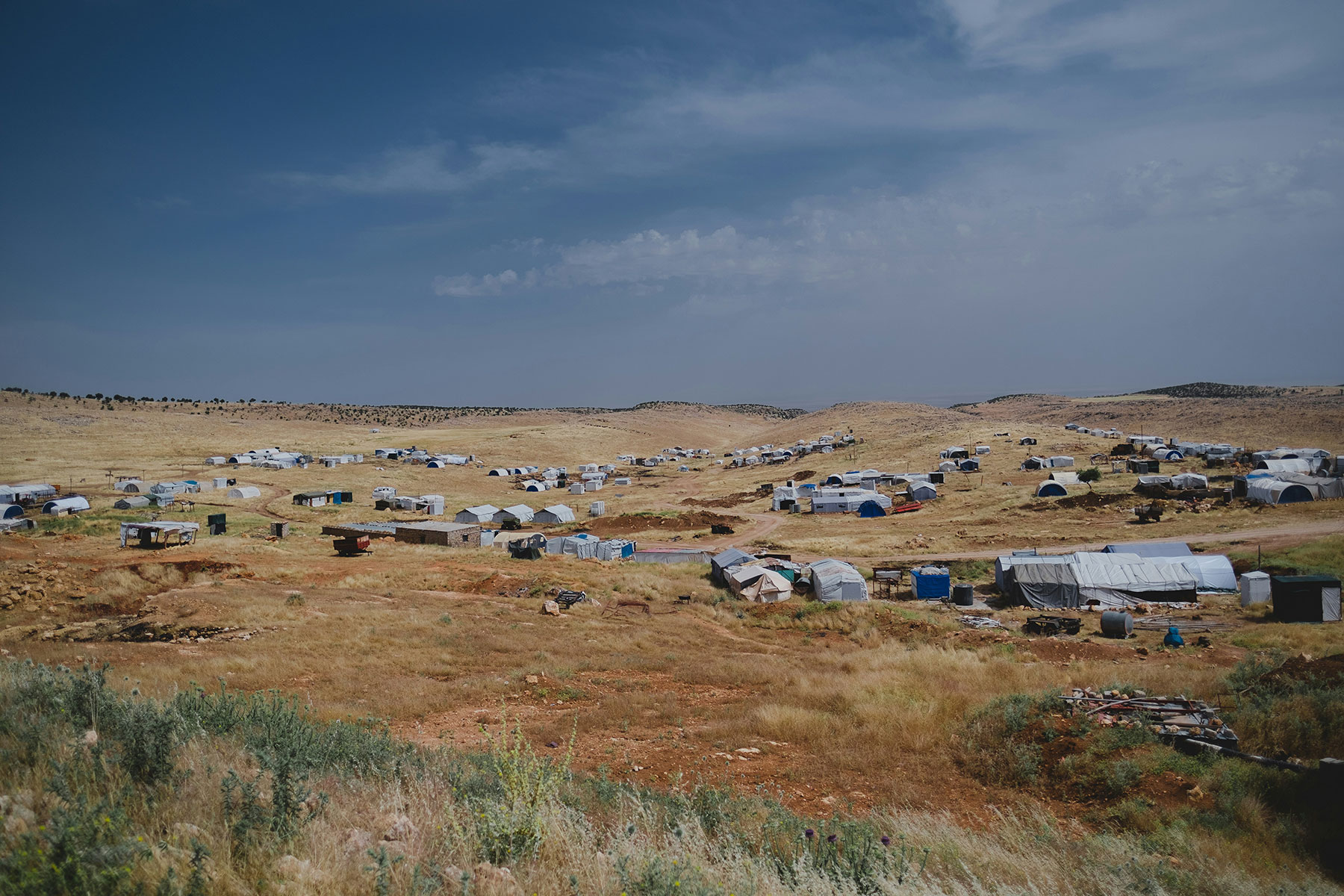
Refugees are arriving in the U.S. in greater numbers this year after resettlement counts reached a 40-year low under President Donald Trump. These new arrivals, like those refugees before them, are 10 times as likely as the general population to have post-traumatic stress disorder, depression, and anxiety. Many of them, like Bahige, fled their homelands because of violence or persecution. They then must deal with the mental toll of integrating into new environments that are as different as, well, Wyoming is from Central Africa.
Share This Post!

Helping Children and Adolescents Cope With Traumatic Events
CSF written article Your Content Goes Here By National Institute of Mental Health Every year, children and adolescents experience disasters and other traumatic events. Family, friends, and trusted adults [...]

The Link Between ADHD and Trauma
CSF written article Your Content Goes Here By Medical News Today Attention deficit hyperactivity disorder (ADHD) is a common neurodevelopmental disorder that often begins in childhood. Studies have found [...]
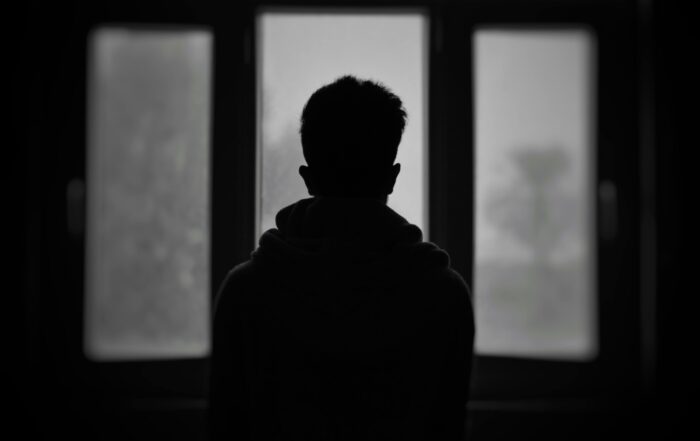
5 Reasons Why We Blame Ourselves After Trauma
CSF written article Your Content Goes Here By Kaytee Gillis, LCSW-BACS As a therapist who works with survivors of childhood trauma, I find that self-blame is a common part [...]

Child-Parent Psychotherapy Resources
CSF written article Your Content Goes Here By University of California, San Francisco Child-Parent Psychotherapy (CPP) is an intervention model for children aged 0-5 who have experienced at least [...]

Caring for Caregivers Experiencing Secondary Trauma
CSF written article Your Content Goes Here By Heather C. Forkey, MD, Elaine Schulte, MD, MPH, and Luanne Thorndyke, MD Secondary traumatic stress (STS) is the emotional duress caused [...]

How to Talk About Mental Health
CSF written article Your Content Goes Here By SAMHSA Mental health is essential to a person’s life in the same way as physical health. Hesitation to talk about mental [...]