

By Erica Zurek and Alander Rocha
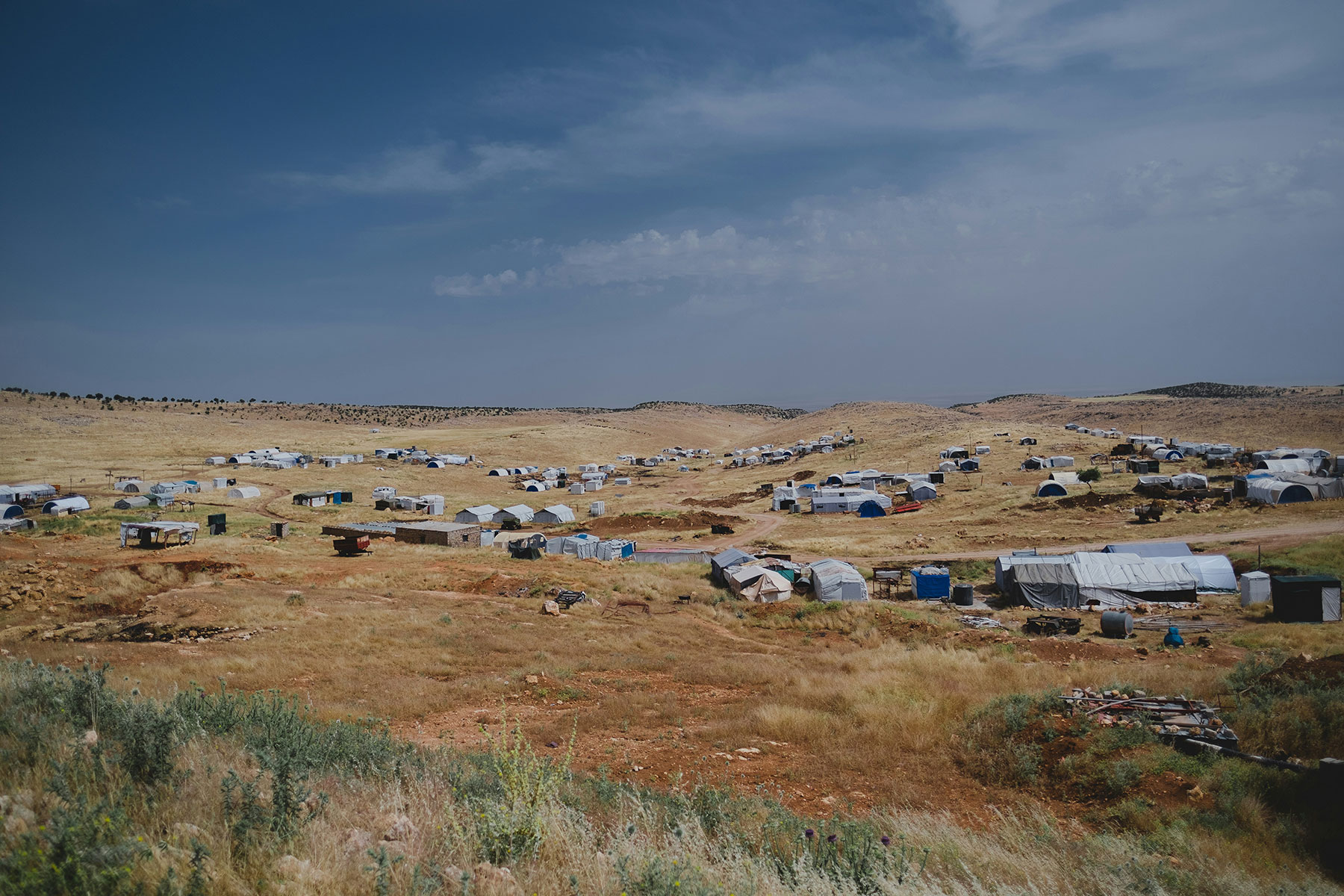
Refugees are arriving in the U.S. in greater numbers this year after resettlement counts reached a 40-year low under President Donald Trump. These new arrivals, like those refugees before them, are 10 times as likely as the general population to have post-traumatic stress disorder, depression, and anxiety. Many of them, like Bahige, fled their homelands because of violence or persecution. They then must deal with the mental toll of integrating into new environments that are as different as, well, Wyoming is from Central Africa.
Share This Post!

What is Childhood Trauma: Trauma Types
CSF written article Your Content Goes Here By The National Child Traumatic Stress Network When a child feels intensely threatened by an event he or she is involved in [...]

Racial Trauma
CSF written article Your Content Goes Here By Mental Health America Racial trauma, or race-based traumatic stress (RBTS), refers to the mental and emotional injury caused by encounters with racial [...]

For Children With a Disability, a Higher Risk of Trauma
CSF written article Your Content Goes Here By Steven Ross Johnson, US News Research released Wednesday by the Centers for Disease Control and Prevention shows a larger share of children [...]
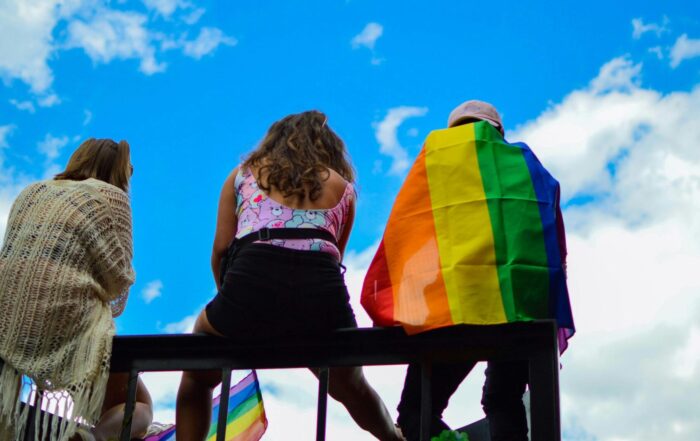
Stress & Trauma Toolkit for Treating LGBTQ in a Changing Political and Social Environment
CSF written article Your Content Goes Here By American Psychiatric Association Violence against the LGBTQ community has increased over recent years. In 2016, the Pulse nightclub shooting in Orlando shocked [...]

How Organizations Can Support LGBTQ Youth Facing Trauma
CSF written article Your Content Goes Here By Center on Child Wellbeing & Trauma As an organization that supports children who have experienced trauma, it’s important to remember that every [...]

Trauma-Informed Care
CSF written article Your Content Goes Here By healthcaretoolbox.org A guide for patients and caregivers to advocate for trauma-informed care in all aspects of healthcare. Read Article [...]