


Data from the most recent National Survey of Adolescents and other studies indicate that one in four children and adolescents in the United States experiences at least one potentially traumatic event before the age of 162, and more than 13% of 17-year-olds—one in eight—have experienced posttraumatic stress disorder (PTSD) at some point in their lives.
Most, if not all, of these young people also have access to a wide range of psychoactive substances that can both dull the effects of stress and place teens at increased risk of experiencing trauma. It is estimated that 29% of adolescents–nearly one in three–have experimented with illegal drugs by the time they complete 8th grade, and 41% have consumed alcohol.4 For many adolescents, such early experimentation eventually progresses to abuse of—or dependence on—illicit drugs or alcohol. Every year, approximately one in five American adolescents between the ages of 12 and 17 engages in abusive/dependent or problematic use of illicit drugs or alcohol.
Share This Post!

Prioritizing Minority Mental Health
CSF written article Your Content Goes Here By CDC Office of Health Equity Mental health matters! Mental health includes our emotional, psychological, and social well-being. It affects how we think, [...]
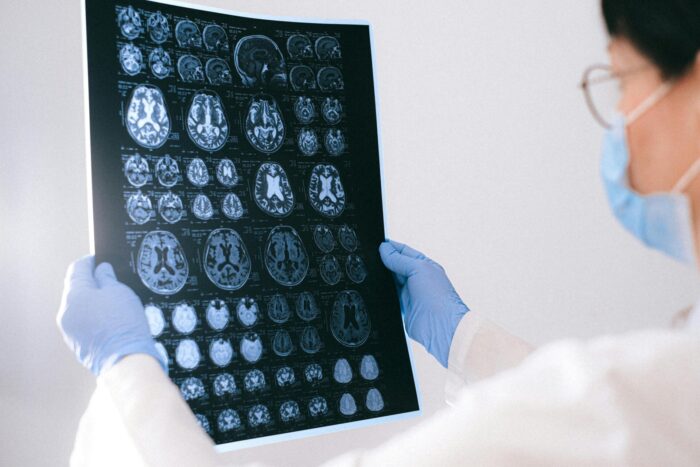
Exploratory Study Associates Childhood Trauma with Brain Features in Abusive Mothers
CSF written article Your Content Goes Here By University of Fukui As sad as it is, child maltreatment continues to be a prevalent global social issue. Recent studies have revealed [...]

SAMHSA Recognizes Posttraumatic Stress Disorder Awareness Month
CSF written article Your Content Goes Here By Stacey Owens, M.S.W., LCSW-C, Military and Veterans Affairs Liaison, Center for Mental Health Services Although often associated with combat veterans, Posttraumatic Stress Disorder [...]

Post-traumatic Stress Disorder and Cancer
CSF written article Your Content Goes Here By American Society of Clinical Oncology (ASCO) Post-traumatic stress disorder (PTSD) is a type of anxiety disorder. Some people develop PTSD after [...]

Childhood Trauma Impacts Muscle Function in Later Life
CSF written article Your Content Goes Here By Morgan Sherburne – University of Michigan Adverse childhood experiences can detrimentally affect muscle function in older adults by impairing mitochondrial activity [...]

The True Link Between Early Trauma and Adult Mental Health
CSF written article Your Content Goes Here By David Rettew M.D., ABCs of Child Psychiatry The last decade of the 1990s was often labeled the “Decade of the Brain,” [...]