


To identify core components of parent/caregiver integration into evidence based child trauma treatment models, specifically those parents/caregivers who have experienced trauma themselves. The Parent/Caregiver Trauma and Healing Coordinating Group (PCTHCG) of the National Child Traumatic Stress Network examined existing scholarly literature, gathered input from clinical experts and parent partners, and assessed child trauma treatments. Eleven core components were identified through pooled sources of the available literature, clinical and parent/caregiver partner expertise, and information from existing evidence-based child trauma treatment models. Core components identified: engagement of parent/caregiver, assessment, parenting, coregulation, attachment, relationship repair, support of parent/caregiver, emotional coaching, addressing parent/caregiver trauma history and symptoms, and parent/caregiver appraisal and meaning making. To further validate these core components, the PCTHCG invited child trauma treatment model developers (N = 11) to indicate the presence of these components in their models and describe how their models attend to parent/caregiver trauma.
Subsequently, a Core Components of Trauma Informed Child Treatment Models Related to Parent/Caregiver Trauma Grid (Core Components Grid) was developed. Despite general consensus that it is beneficial, few studies thoroughly explore the impact of parent/caregiver inclusion, specifically those who have experienced trauma, in their child’s trauma treatment. There is a significant need for future studies on the impact and mechanisms of parent/caregiver trauma and the integration into child trauma treatment. The Core Components Grid is intended to move the field forward toward a more structured examination of parent/caregivers who have experienced trauma and their inclusion in their child’s trauma treatment. (PsycInfo Database Record (c) 2020 APA, all rights reserved)
Share This Post!

How do trauma and adverse childhood experiences affect children?
CHOC CSF written article Your Content Goes Here Source: CHOC Childhood should be a time of safety, growth, and discovery—but for many children, it’s marked by trauma, instability, or neglect. [...]
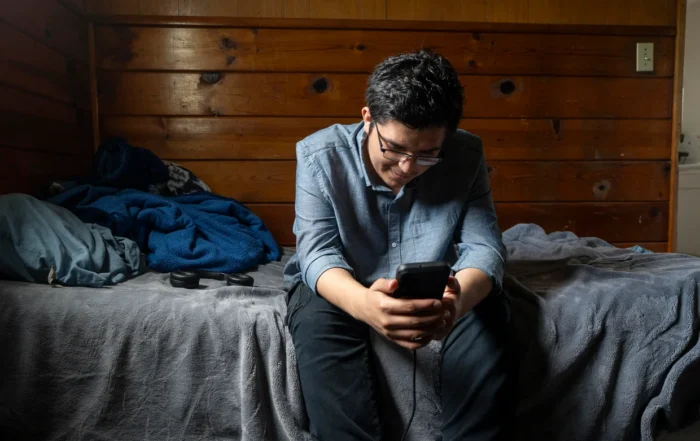
Arrests of immigrant parents create mental health crisis for children
Damian Zermeño talks to his father over video chat. Saúl Zermeño, a single parent, was deported to Mexico in October after living 36 years in the United States. Karla Gachet for KFF Health News [...]
Risk and Protective Factors
CSF written article Your Content Goes Here Source: CDC Adverse childhood experiences (ACEs) are not often caused by a single factor. Instead, a combination of factors at the individual, relationship, community, [...]

We’re therapists. Here’s why it’s too soon for kids to return to Camp Mystic.
Sam Owens/San Antonio Express-News CSF written article Your Content Goes Here Source: Houston Chronicle Less than a year after the deadly July 4 flood, Camp Mystic plans to reopen its Cypress Lake location, not [...]

Women who experience trauma are twice as likely as men to develop PTSD. Here’s why
CSF written article Your Content Goes Here Source: American Psychological Association More than half of all women will be exposed to at least one traumatic event in their lifetime, according [...]

Post-Traumatic Stress Disorder in Children
CSF written article Your Content Goes Here Source: CDC All children may experience very stressful events that affect how they think and feel. Most of the time, children recover quickly and [...]