

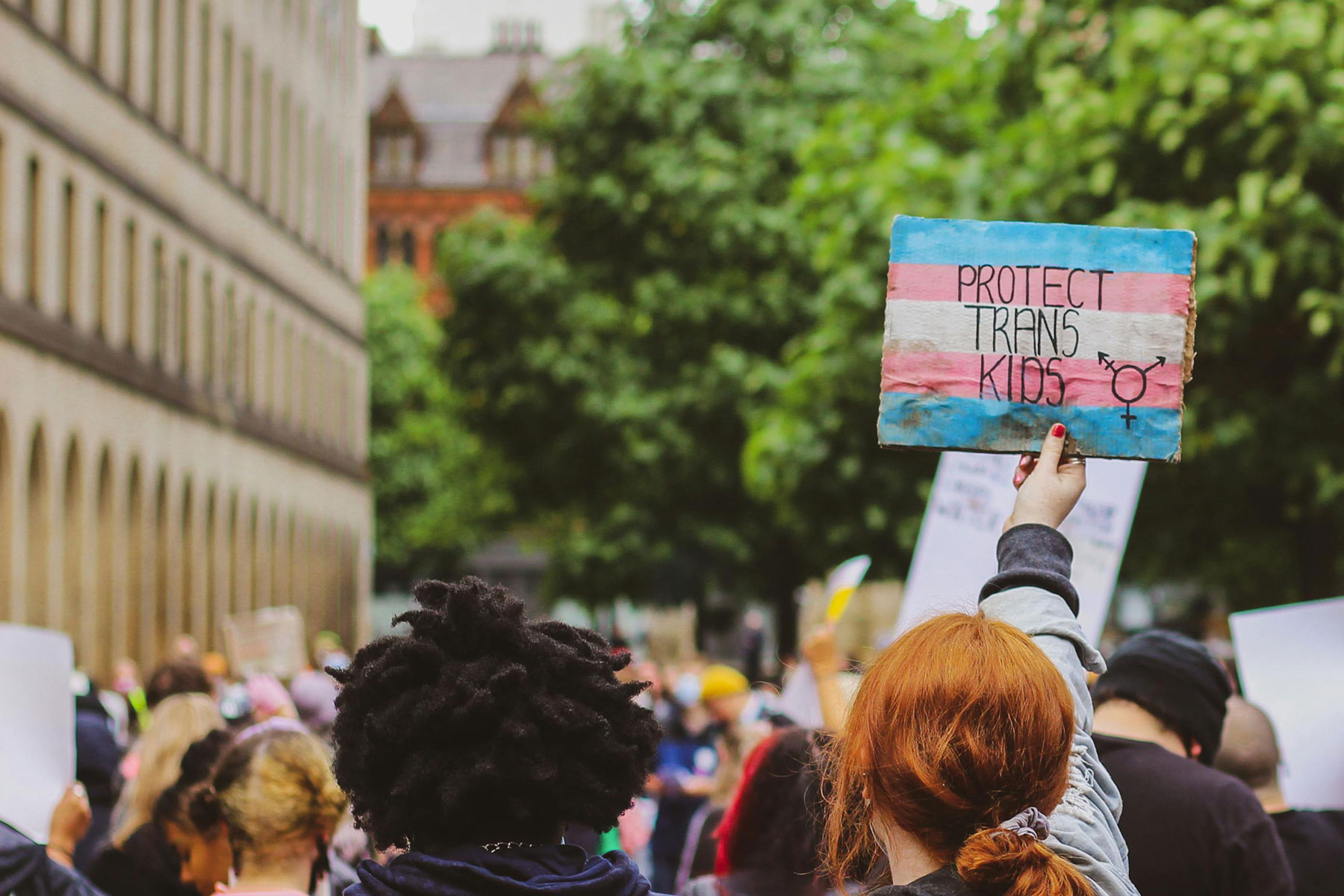
WHY ASK ABOUT SEXUAL ORIENTATION AND GENDER IDENTITY?
There is a growing body of evidence showing that Lesbian, Gay, Bisexual, Transgender, and Queer/Questioning (LGBTQ+) youth suffer from potentially traumatic events (PTEs) at significantly higher rates than their straight and cisgender peers. Among the most prevalent PTEs affecting LGBTQ+ youth are parental rejection, bullying, physical and sexual harassment, and hate crimes. Consequently, LGBTQ+ youth experience a wide array of health disparities, such as increased rates of anxiety, depression, suicidal ideation and attempts, drug and alcohol misuse, sexually transmitted diseases/infections, homelessness, and Post Traumatic Stress Disorder (PTSD). The alarming rate at which LGBTQ+ youth are victimized in the United States urges us to identify LGBTQ+ youth in order to assess for safety and risk of self-harm or suicidality, prevent exposure to trauma via psychoeducation, and refer to evidence-based trauma-focused treatment when they have been exposed to trauma. Nevertheless, discussing and acknowledging sexual orientation and gender identity—with or without the aforementioned PTEs—has not been common practice in child-serving systems and organizations.
Often LGBTQ+ youth’s increased risk for trauma is partly due to societal stigma and prejudice. As a trauma treatment provider, you have an obligation to provide safe and affirming spaces for LGBTQ+ youth to express themselves honestly—without fear of judgment, ridicule, or having their identities outed. Additionally, you must ask about essential and basic information such as gender identity, sexual orientation, and PTEs. Without asking these important questions, you cannot provide trauma-informed services that truly meet the unique needs of LGBTQ+ youth and their families. It is essential that as a provider, you actively acknowledge and validate youth who hold marginalized identities and seek to understand the ways in which these identities and PTEs may intersect.
Share This Post!

After the Trauma: Helping My Child Cope
CSF written article Your Content Goes Here By The Center for Pediatric Traumatic Stress at Children's Hospital of Philadelphia and Nemours / Alfred I. duPont Hospital for Children A [...]

The Power of Mindfulness
CSF written article Your Content Goes Here By Juliann Garey Mindfulness is a meditation practice that helps you calm down. It starts with focusing on your breathing. It helps [...]

Adverse Childhood Experiences
CSF written article Your Content Goes Here By CDC ACEs are common. About 64% of adults in the United States reported they had experienced at least one type of [...]

It Happened Here: Dr. Margaret Morgan Lawrence
CSF written article Your Content Goes Here By NYP History Every time she was turned away, Dr. Margaret Morgan Lawrence, whose career began at NewYork-Presbyterian in the 1940s, found [...]
The Impact of Childhood Trauma on Developing Bipolar Disorder
CSF written article Your Content Goes Here By Yann Quidé, Leonardo Tozzi, Mark Corcoran, Dara M Cannon, Maria R Dauvermann Childhood trauma (CT) has been repeatedly linked to earlier onset and greater severity of [...]

Protecting Children from Sexual Abuse in the #MeToo Era
CSF written article Your Content Goes Here By Nickolas Agathis, MD Do you keep up with any modern social movements, such as #MeToo, #BlackLivesMatter or #KeepFamiliesTogether? The conversations surrounding them are [...]