How Trauma Affects Kids in School
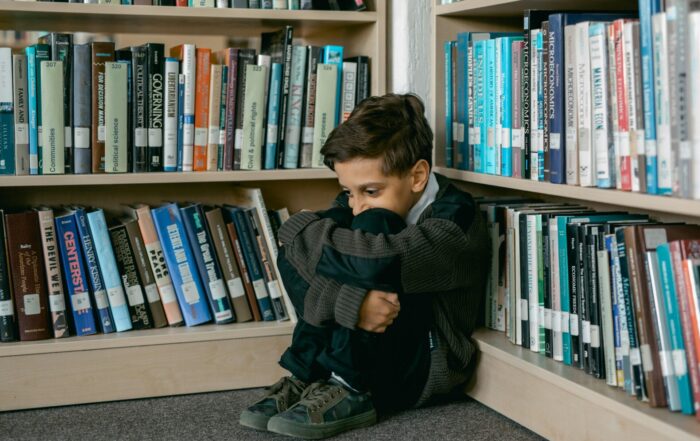
For many kids who suffer from trauma, it’s not one event. Often, it’s ongoing abuse or neglect. This could be violence at home or in their neighborhood. For some, it’s not having a place to sleep. Trauma affects the way kids act in classrooms. Children who’ve gone through trauma are good at hiding pain. Instead, it comes through in ways that look like misbehavior or even ADHD.
When kids learn not to trust adults, they struggle to connect with teachers. They don’t ask for help. They may be jumpy, always looking out for danger. Because it can seem like they’re acting out, schools are quick to punish them. Instead, these kids need teachers to show that you understand how they’re feeling. One way to help is by naming the feeling you see the child expressing. It’s okay if you’re wrong. They’ll probably correct you.
Babies learn to calm themselves when grown-ups soothe them. If a child never had an adult soothe them, they can get to school age unable to cope with big feelings. They’ll need help from a teacher to calm down before they learn to do it themselves.
Traumatized kids often see things in the worst light. They may think they’re bad kids. Or that people are out to get them. They may be so afraid of making mistakes that they won’t try an activity at all. They need help to see that that they’re good kids who deserve to do well.
Kids with trauma can have trouble focusing and thinking things through. They may also act out for attention, even negative attention. It can help when teachers give a lot of positive attention instead. That includes giving them lots of kindness and loving care “just because,” not just when they do something right.