


For many kids who suffer from trauma, it’s not one event. Often, it’s ongoing abuse or neglect. This could be violence at home or in their neighborhood. For some, it’s not having a place to sleep. Trauma affects the way kids act in classrooms. Children who’ve gone through trauma are good at hiding pain. Instead, it comes through in ways that look like misbehavior or even ADHD.
When kids learn not to trust adults, they struggle to connect with teachers. They don’t ask for help. They may be jumpy, always looking out for danger. Because it can seem like they’re acting out, schools are quick to punish them. Instead, these kids need teachers to show that you understand how they’re feeling. One way to help is by naming the feeling you see the child expressing. It’s okay if you’re wrong. They’ll probably correct you.
Babies learn to calm themselves when grown-ups soothe them. If a child never had an adult soothe them, they can get to school age unable to cope with big feelings. They’ll need help from a teacher to calm down before they learn to do it themselves.
Traumatized kids often see things in the worst light. They may think they’re bad kids. Or that people are out to get them. They may be so afraid of making mistakes that they won’t try an activity at all. They need help to see that that they’re good kids who deserve to do well.
Kids with trauma can have trouble focusing and thinking things through. They may also act out for attention, even negative attention. It can help when teachers give a lot of positive attention instead. That includes giving them lots of kindness and loving care “just because,” not just when they do something right.
Share This Post!

Trauma-Informed Organizations
Source: The National Child Traumatic Stress Network (NCTSN) Part 2 provides a broad overview of how to create and implement an institutional framework for trauma-informed services in program delivery and staff development, policies [...]
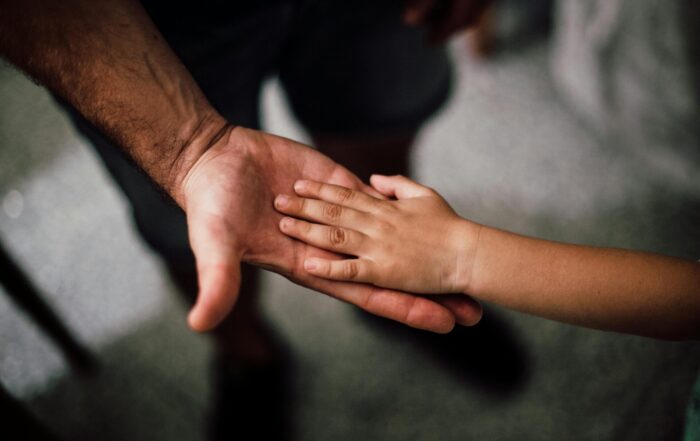
Early childhood trauma and its long-term impact on cognitive and emotional development
Source: National Library of Medicine Childhood trauma has profound, long-term effects on cognitive and emotional development. This systematic review and meta-analysis sought to synthesis the evidence around the long-term impact of [...]
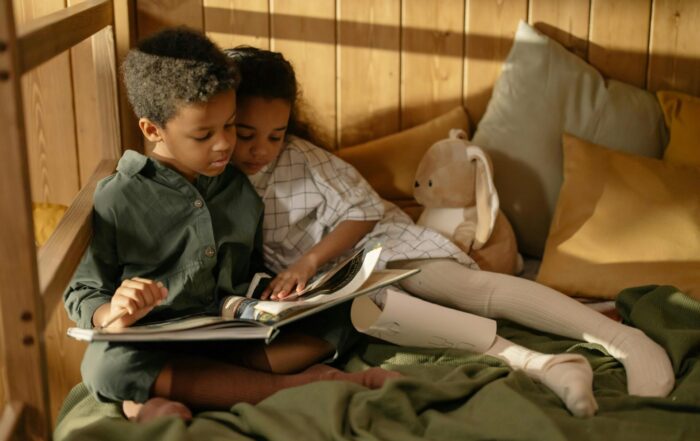
Helping children who have or are experiencing trauma this holiday season
For many, the holiday season is a joyful one – the popular song “Have a Holly, Jolly Christmas” comes to mind – but for children who have or are experiencing trauma, Christmas, [...]
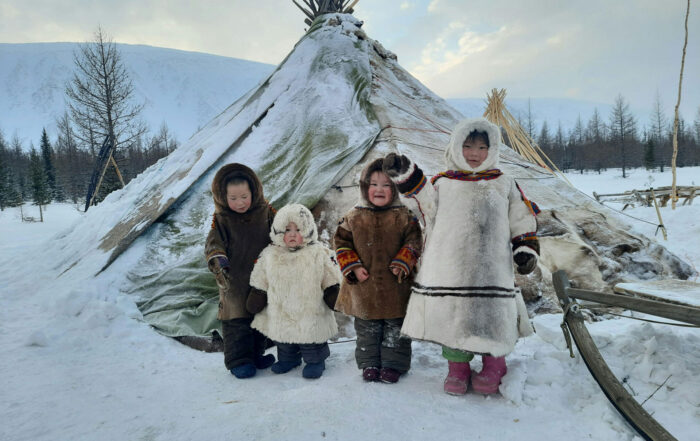
Healing Frameworks: Understanding ACEs in Indigenous Communities
The National Indian Health Board (NIHB) is committed to advocating for the health and well-being of Indigenous communities. One of our key initiatives focuses on addressing adverse childhood experiences (ACEs), which are traumatic [...]

Gratitude Not Required: A Trauma-Informed Thanksgiving for Children in Care
By Beth Tyson Children impacted by any kind of family separation, whether it be foster care, adoption, or divorce, don’t have to feel thankful during Thanksgiving or any other holiday. There, I [...]

Emotional and Psychological Trauma
By Lawrence Robinson, Melinda Smith, M.A. and Jeanne Segal, Ph.D. What is emotional and psychological trauma? Emotional and psychological trauma occurs when extraordinarily stressful events shatter your sense of security. Psychological trauma can leave you [...]