

By Jade Hindmon, NPR
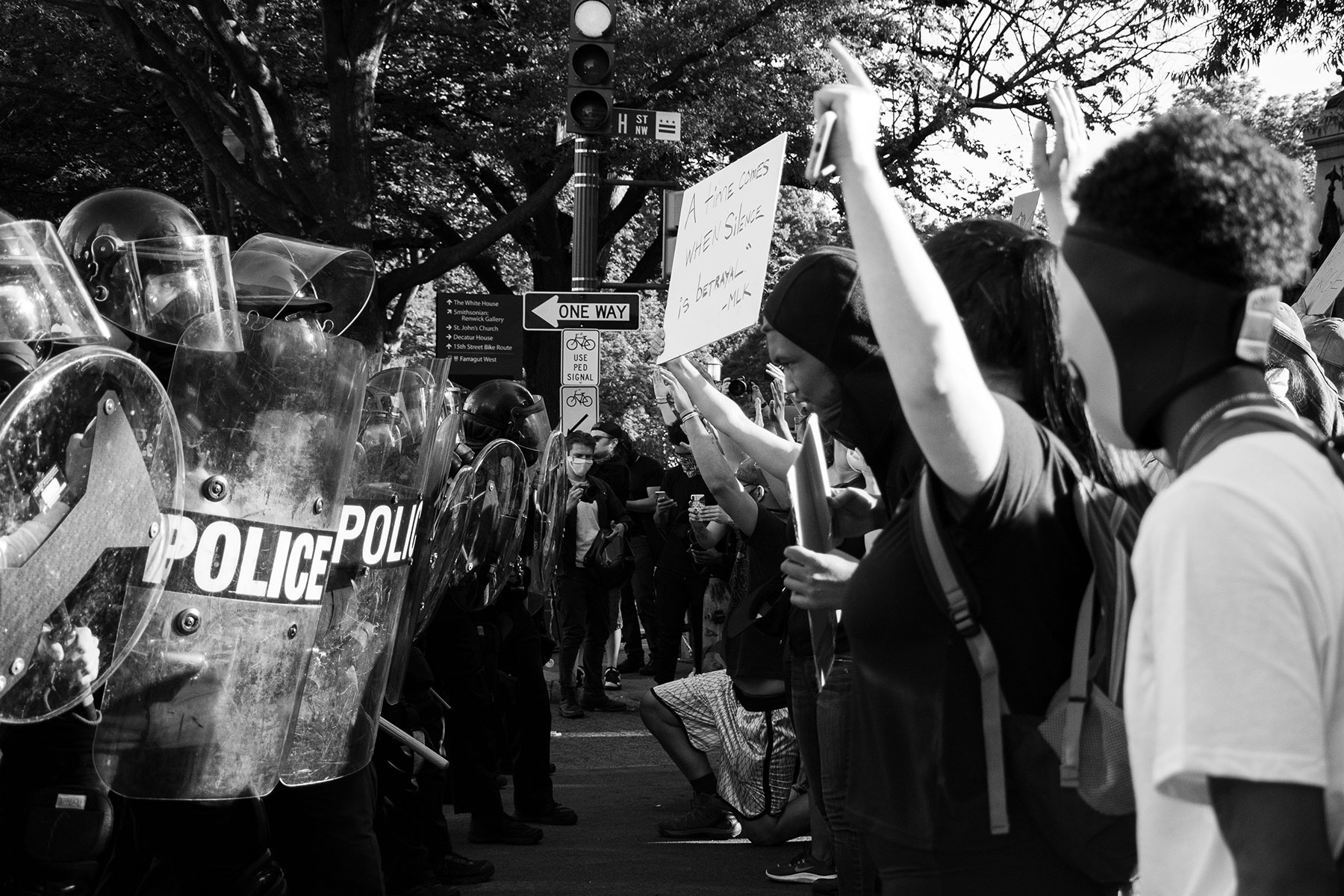
Many of us spent recent days thinking about the life of a man we never met. And yet, particularly for Black people, know very well. Tyre Nichols was our sons, brothers, fathers and husbands. Before releasing video of five Memphis police officers repeatedly beating and kicking him until he was unconscious and later died, Memphis Police Chief Cerelyn Davis said she expected us to, “Feel what the Nichols family feels.”
While that grief, anger, sadness and despair will never match that of a mother who lost her child, psychologists say all of us can experience vicarious trauma when we bear witness by watching what happened to Tyre Nichols and countless others like him.
Share This Post!

Adverse Childhood Experiences
CSF written article Your Content Goes Here By CDC ACEs are common. About 64% of adults in the United States reported they had experienced at least one type of [...]

It Happened Here: Dr. Margaret Morgan Lawrence
CSF written article Your Content Goes Here By NYP History Every time she was turned away, Dr. Margaret Morgan Lawrence, whose career began at NewYork-Presbyterian in the 1940s, found [...]

The Impact of Childhood Trauma on Developing Bipolar Disorder
CSF written article Your Content Goes Here By Yann Quidé, Leonardo Tozzi, Mark Corcoran, Dara M Cannon, Maria R Dauvermann Childhood trauma (CT) has been repeatedly linked to earlier onset and greater severity of [...]

Protecting Children from Sexual Abuse in the #MeToo Era
CSF written article Your Content Goes Here By Nickolas Agathis, MD Do you keep up with any modern social movements, such as #MeToo, #BlackLivesMatter or #KeepFamiliesTogether? The conversations surrounding them are [...]
Immigrant Health is Interpersonal
CSF written article Your Content Goes Here By Amanda Venta, PhD Waves of Latinx immigration to the United States have changed in recent decades, and our scientific literature is [...]

Essential Elements of a Trauma-Informed Juvenile Justice System
CSF written article Your Content Goes Here NCTSN Trauma-informed policies and procedures make juvenile justice organizations safer and more effective by ensuring the physical and psychological safety of all [...]