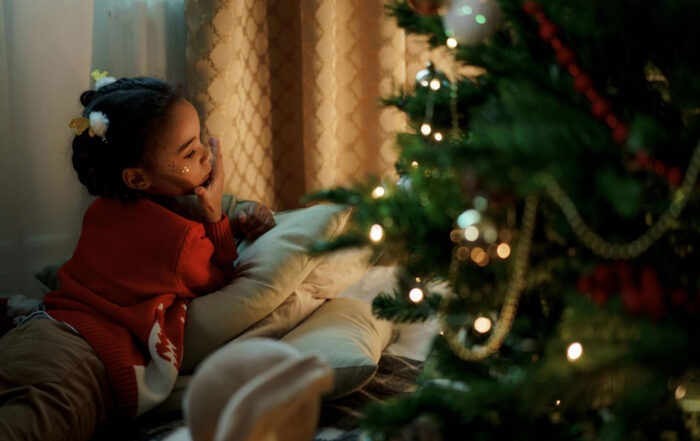
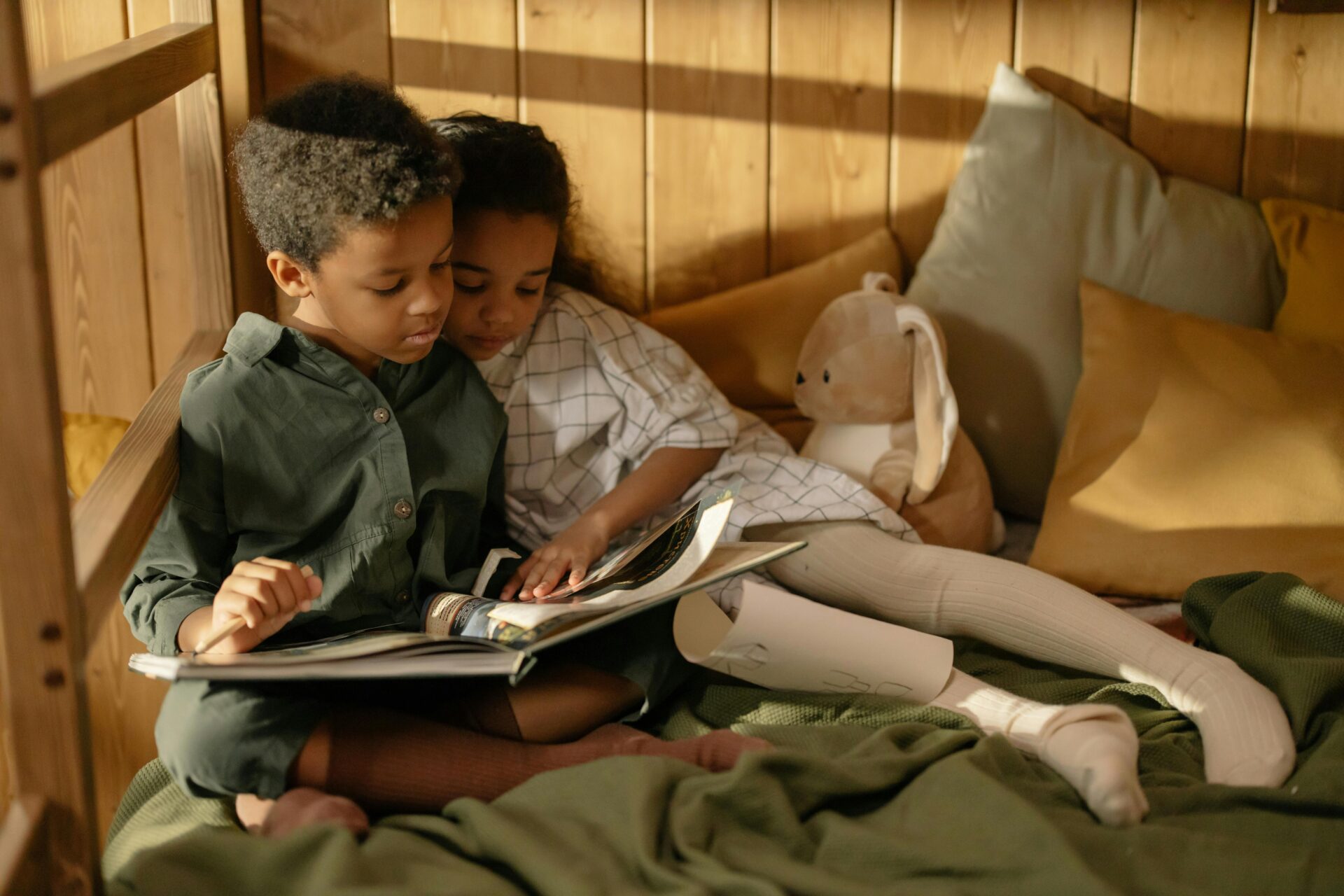
For many, the holiday season is a joyful one – the popular song “Have a Holly, Jolly Christmas” comes to mind – but for children who have or are experiencing trauma, Christmas, Hanukkah, Kwanzaa, New Year’s Eve, and other celebrations represent a season of emotional pain. The barrage of festive sights, sounds, and smells meant to evoke magic and merriment can prompt anxiety, loneliness, and grief in children. And the social pressure and messaging focused on happy family time can be a source of distress for them, either because they may have lost one or more caregivers, or family members have caused them trauma.
Share This Post!
Trauma-Informed Care
By healthcaretoolbox.org A guide for patients and caregivers to advocate for trauma-informed care in all aspects of healthcare. Read Article [...]
After the Trauma: Helping My Child Cope
By The Center for Pediatric Traumatic Stress at Children's Hospital of Philadelphia and Nemours / Alfred I. duPont Hospital for Children A helpful toolbox to assist parents with what they can [...]
The Power of Mindfulness
By Juliann Garey Mindfulness is a meditation practice that helps you calm down. It starts with focusing on your breathing. It helps you stay in the present instead of worrying about the [...]
Adverse Childhood Experiences
By CDC ACEs are common. About 64% of adults in the United States reported they had experienced at least one type of ACE before age 18. Nearly one in six (17.3%) [...]
It Happened Here: Dr. Margaret Morgan Lawrence
By NYP History Every time she was turned away, Dr. Margaret Morgan Lawrence, whose career began at NewYork-Presbyterian in the 1940s, found a new opportunity to succeed, eventually becoming the first [...]
The Impact of Childhood Trauma on Developing Bipolar Disorder
By Yann Quidé, Leonardo Tozzi, Mark Corcoran, Dara M Cannon, Maria R Dauvermann Childhood trauma (CT) has been repeatedly linked to earlier onset and greater severity of bipolar disorder (BD) in adulthood. However, such knowledge [...]