

Provided by the Child Mind Institute
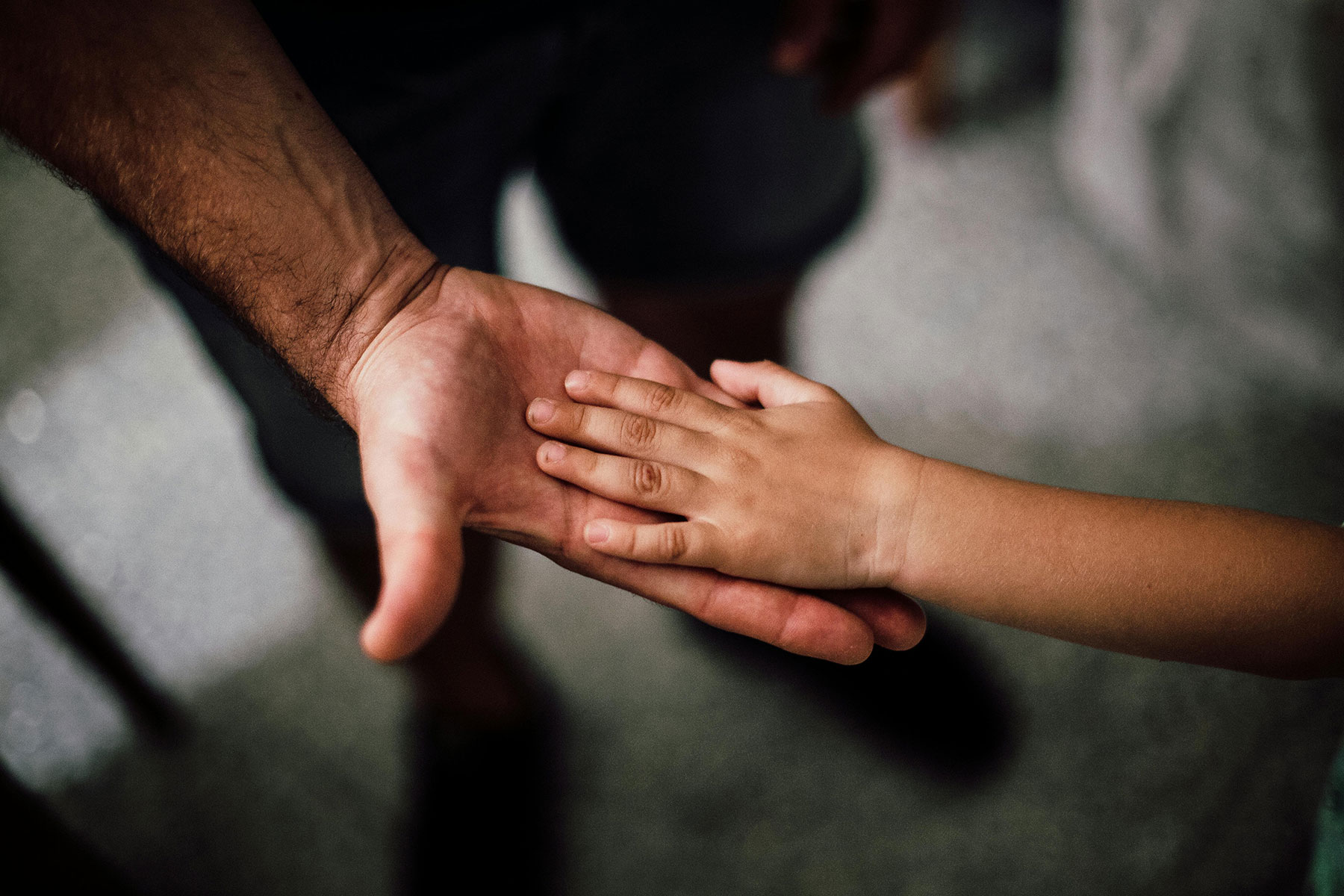
In the wake of a traumatic event, your comfort, support and reassurance can make children feel safe, help them manage their fears, guide them through their grief, and help them recover in a healthy way. This guide was assembled by psychiatrists, psychologists and mental health experts who specialize in crisis situations. It offers simple tips on what to expect, what to do and what to look out for. If you or your children require assistance from a mental health professional, do not hesitate to ask a doctor or other health care provider for a recommendation.
Share This Post!

Helping Children and Adolescents Cope With Traumatic Events
CSF written article Your Content Goes Here By National Institute of Mental Health Every year, children and adolescents experience disasters and other traumatic events. Family, friends, and trusted adults [...]

The Link Between ADHD and Trauma
CSF written article Your Content Goes Here By Medical News Today Attention deficit hyperactivity disorder (ADHD) is a common neurodevelopmental disorder that often begins in childhood. Studies have found [...]
5 Reasons Why We Blame Ourselves After Trauma
CSF written article Your Content Goes Here By Kaytee Gillis, LCSW-BACS As a therapist who works with survivors of childhood trauma, I find that self-blame is a common part [...]

Child-Parent Psychotherapy Resources
CSF written article Your Content Goes Here By University of California, San Francisco Child-Parent Psychotherapy (CPP) is an intervention model for children aged 0-5 who have experienced at least [...]

Caring for Caregivers Experiencing Secondary Trauma
CSF written article Your Content Goes Here By Heather C. Forkey, MD, Elaine Schulte, MD, MPH, and Luanne Thorndyke, MD Secondary traumatic stress (STS) is the emotional duress caused [...]

How to Talk About Mental Health
CSF written article Your Content Goes Here By SAMHSA Mental health is essential to a person’s life in the same way as physical health. Hesitation to talk about mental [...]