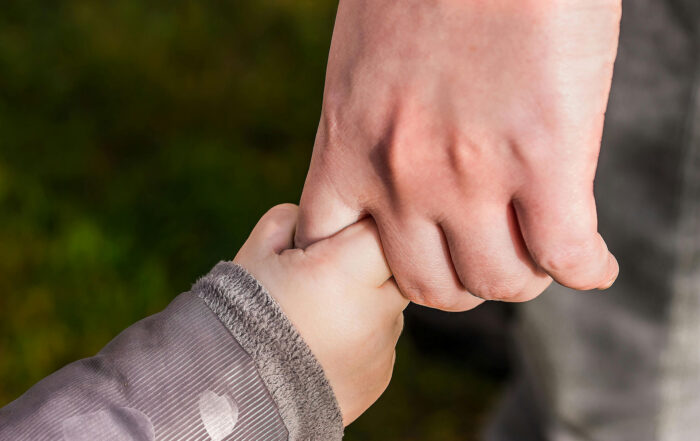

Credit: Neuroscience News

By National Institute of Mental Health

Every year, children and adolescents experience disasters and other traumatic events. Family, friends, and trusted adults play an essential role in helping youth cope with these experiences.


It is typical for children and adolescents to have a range of reactions after experiencing or witnessing a traumatic event, such as a natural disaster, an act of violence, or a serious accident.

Share This Post!

  • Trauma-Informed Organizations

Trauma-Informed Organizations

Source: The National Child Traumatic Stress Network (NCTSN) Part 2 provides a broad overview of how to create and implement an institutional framework for trauma-informed services in program delivery and staff development, policies [...]

Emotional and Psychological Trauma

By Lawrence Robinson, Melinda Smith, M.A. and Jeanne Segal, Ph.D. What is emotional and psychological trauma? Emotional and psychological trauma occurs when extraordinarily stressful events shatter your sense of security. Psychological trauma can leave you [...]

Change A Child’s Life

Please join us today and shine a light on the invisible wounds of childhood trauma so that abused children receive the treatment they deserve.