


The National Indian Health Board (NIHB) is committed to advocating for the health and well-being of Indigenous communities. One of our key initiatives focuses on addressing adverse childhood experiences (ACEs), which are traumatic events occurring during childhood. Research indicates that Indigenous children experience higher ACEs and collective trauma, which needs to be addressed through Indigenous frameworks. We are working to reduce the impact of ACEs within Indigenous communities by raising awareness, providing resources, and advocating for policy changes. Indigenous frameworks offer a holistic approach to healing that focuses on the interconnectedness of all things and the importance of spiritual connection for healing the heart, body, mind, and spirit.
Share This Post!

Adverse Childhood Experiences
By CDC ACEs are common. About 64% of adults in the United States reported they had experienced at least one type of ACE before age 18. Nearly one in six (17.3%) [...]

It Happened Here: Dr. Margaret Morgan Lawrence
By NYP History Every time she was turned away, Dr. Margaret Morgan Lawrence, whose career began at NewYork-Presbyterian in the 1940s, found a new opportunity to succeed, eventually becoming the first [...]

The Impact of Childhood Trauma on Developing Bipolar Disorder
By Yann Quidé, Leonardo Tozzi, Mark Corcoran, Dara M Cannon, Maria R Dauvermann Childhood trauma (CT) has been repeatedly linked to earlier onset and greater severity of bipolar disorder (BD) in adulthood. However, such knowledge [...]

Protecting Children from Sexual Abuse in the #MeToo Era
By Nickolas Agathis, MD Do you keep up with any modern social movements, such as #MeToo, #BlackLivesMatter or #KeepFamiliesTogether? The conversations surrounding them are still grabbing widespread attention through social media [...]
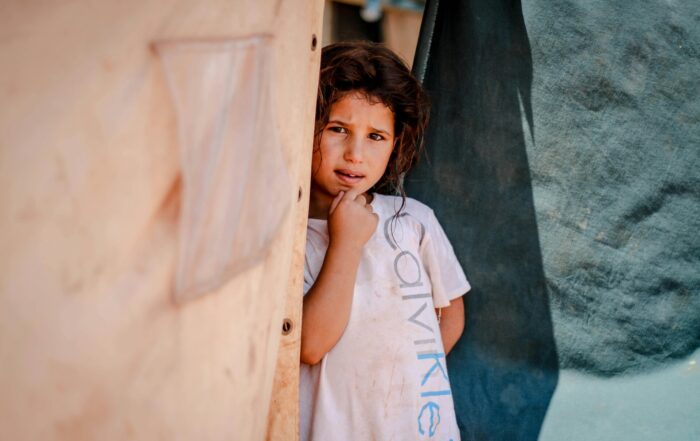
Immigrant Health is Interpersonal
By Amanda Venta, PhD Waves of Latinx immigration to the United States have changed in recent decades, and our scientific literature is only beginning to catch up. Regional violence and unrest [...]

Essential Elements of a Trauma-Informed Juvenile Justice System
NCTSN Trauma-informed policies and procedures make juvenile justice organizations safer and more effective by ensuring the physical and psychological safety of all youth, family members, and staff and promoting their recovery [...]