

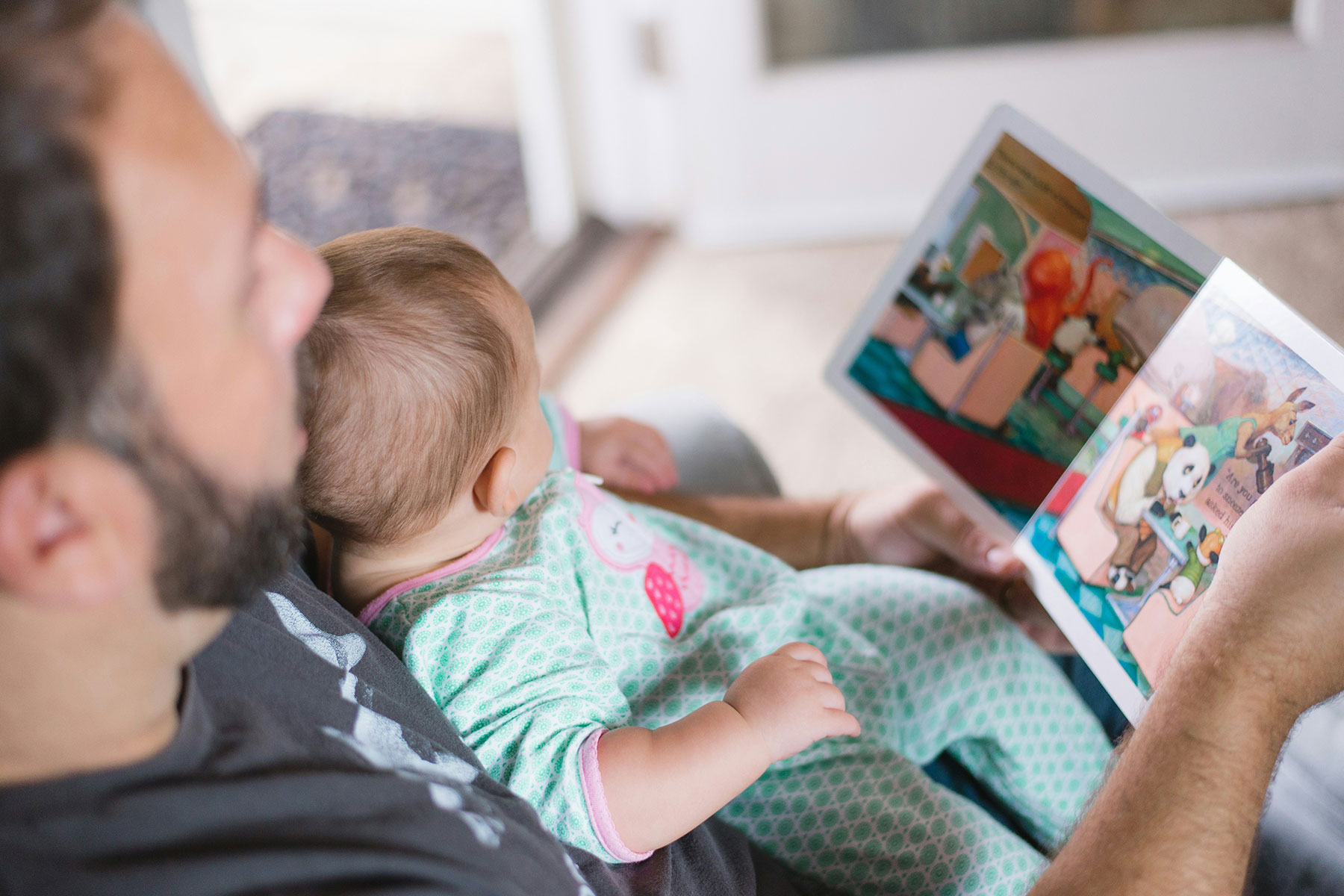
Anyone who’s soothed a fussing baby knows that gentle rocking often does the trick. The vestibular (balance-related) stimulation that rocking creates is certainly a part of that.
Equally important is the rhythm that comes with rocking. That’s because rhythm, when steady and comfortably paced, has a calming effect on the human nervous system, and a regulating effect on the human brain.
What this rhythmic movement actually regulates is the lower, more primitive region of the brain: the brainstem.
The brainstem comes from our reptilian ancestors. Not only is it the first region to develop, but throughout our lives it acts as the gateway for most incoming and outgoing transmissions. This means that very little travels to or from the higher regions without going through the brainstem.
Share This Post!
SAMHSA Recognizes Posttraumatic Stress Disorder Awareness Month
CSF written article Your Content Goes Here By Stacey Owens, M.S.W., LCSW-C, Military and Veterans Affairs Liaison, Center for Mental Health Services Although often associated with combat veterans, Posttraumatic Stress Disorder [...]

Post-traumatic Stress Disorder and Cancer
CSF written article Your Content Goes Here By American Society of Clinical Oncology (ASCO) Post-traumatic stress disorder (PTSD) is a type of anxiety disorder. Some people develop PTSD after [...]

Childhood Trauma Impacts Muscle Function in Later Life
CSF written article Your Content Goes Here By Morgan Sherburne – University of Michigan Adverse childhood experiences can detrimentally affect muscle function in older adults by impairing mitochondrial activity [...]

The True Link Between Early Trauma and Adult Mental Health
CSF written article Your Content Goes Here By David Rettew M.D., ABCs of Child Psychiatry The last decade of the 1990s was often labeled the “Decade of the Brain,” [...]

What’s the Best Treatment for PTSD in Children?
CSF written article Your Content Goes Here By Joan Kaufman, PhD Joan Kaufman, PhD, of the Department of Psychiatry at Yale University, discusses the different stages of trauma-focused cognitive [...]
Expert Consensus Regarding Indicators of a Traumatic Reaction in Autistic Youth: A Delphi Survey
CSF written article Your Content Goes Here By Connor M Kerns, Diana L Robins, Paul T Shattuck, Craig J Newschaffer, & Steven J Berkowitz It has been suggested that the sequelae of [...]