

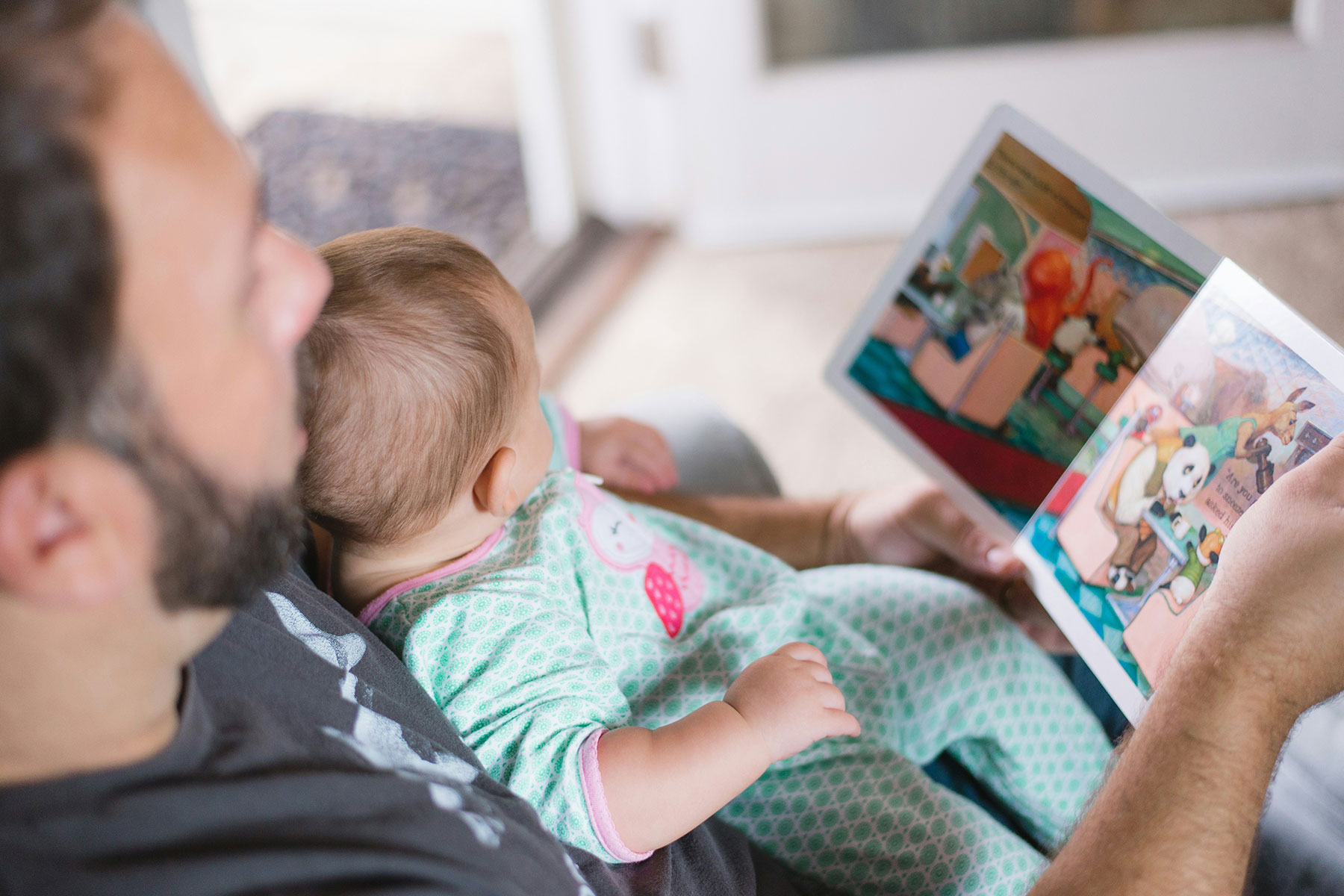
Anyone who’s soothed a fussing baby knows that gentle rocking often does the trick. The vestibular (balance-related) stimulation that rocking creates is certainly a part of that.
Equally important is the rhythm that comes with rocking. That’s because rhythm, when steady and comfortably paced, has a calming effect on the human nervous system, and a regulating effect on the human brain.
What this rhythmic movement actually regulates is the lower, more primitive region of the brain: the brainstem.
The brainstem comes from our reptilian ancestors. Not only is it the first region to develop, but throughout our lives it acts as the gateway for most incoming and outgoing transmissions. This means that very little travels to or from the higher regions without going through the brainstem.
Share This Post!

Gratitude Not Required: A Trauma-Informed Thanksgiving for Children in Care
CSF written article Your Content Goes Here By Beth Tyson Children impacted by any kind of family separation, whether it be foster care, adoption, or divorce, don’t have to feel [...]

Emotional and Psychological Trauma
CSF written article Your Content Goes Here By Lawrence Robinson, Melinda Smith, M.A. and Jeanne Segal, Ph.D. What is emotional and psychological trauma? Emotional and psychological trauma occurs when extraordinarily stressful events shatter [...]

Understanding Childhood Trauma: Ways to Support Young People
CSF written article Your Content Goes Here By Boys & Girls Clubs of America For generations, tough childhood experiences have been swept under the rug by phrases like these. Oftentimes, [...]

Addressing The Link Between Trauma And Addiction
CSF written article Your Content Goes Here By National Governors Association Many Americans have experienced traumatic events, toxic stress, and other types of adversity in childhood. However, repeated exposure [...]

The Health Benefits of Volunteerism
CSF written article Your Content Goes Here By Eric Burger It’s a simple fact that every nonprofit organization knows: volunteering makes you feel better. But did you know that [...]
Checklist: Creating Safe Spaces for Youth
CSF written article Your Content Goes Here By Mental Health America Now more than ever, young people need an environment where they feel seen, heard, and valued. [...] Creating [...]