


Children impacted by any kind of family separation, whether it be foster care, adoption, or divorce, don’t have to feel thankful during Thanksgiving or any other holiday. There, I said it!
Sure, for most people, Thanksgiving is a joyful time of year filled with family gatherings, shared traditions, and expressions of gratitude. But this year, it might be harder than normal to find things to be thankful for, and we should be willing to offer understanding to children and ourselves.
Unfortunately, for some, Thanksgiving holiday festivities can also trigger feelings of sadness, loss, fear, and isolation. School discussions centered on family, food, and traditions can unintentionally highlight the differences in students’ lives, bringing up painful reminders of family separation, unfulfilled wishes, or confusing emotions around their past and current family dynamics.
Share This Post!

Understanding Childhood Trauma: Ways to Support Young People
By Boys & Girls Clubs of America For generations, tough childhood experiences have been swept under the rug by phrases like these. Oftentimes, the reason why is simple: many families simply did [...]

Addressing The Link Between Trauma And Addiction
By National Governors Association Many Americans have experienced traumatic events, toxic stress, and other types of adversity in childhood. However, repeated exposure to trauma and adversity in childhood predicts a variety [...]
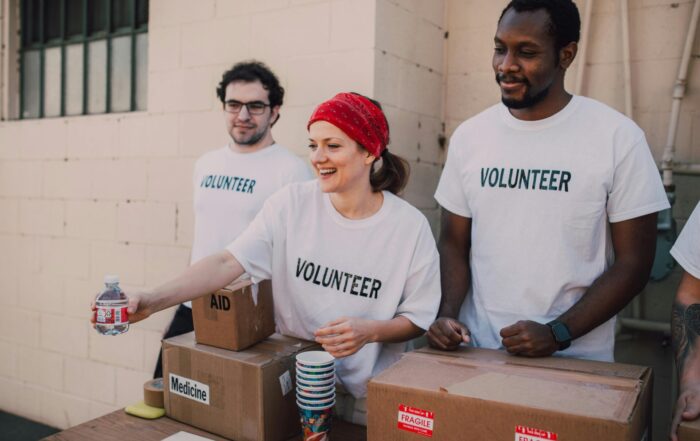
The Health Benefits of Volunteerism
By Eric Burger It’s a simple fact that every nonprofit organization knows: volunteering makes you feel better. But did you know that the anecdotal stories about volunteering health benefits have been [...]
Checklist: Creating Safe Spaces for Youth
By Mental Health America Now more than ever, young people need an environment where they feel seen, heard, and valued. [...] Creating connection starts with you, so allow youth to get [...]

What is Childhood Trauma: Trauma Types
By The National Child Traumatic Stress Network When a child feels intensely threatened by an event he or she is involved in or witnesses, we call that event a trauma. There [...]

Racial Trauma
By Mental Health America Racial trauma, or race-based traumatic stress (RBTS), refers to the mental and emotional injury caused by encounters with racial bias and ethnic discrimination, racism, and hate crimes. Any [...]