

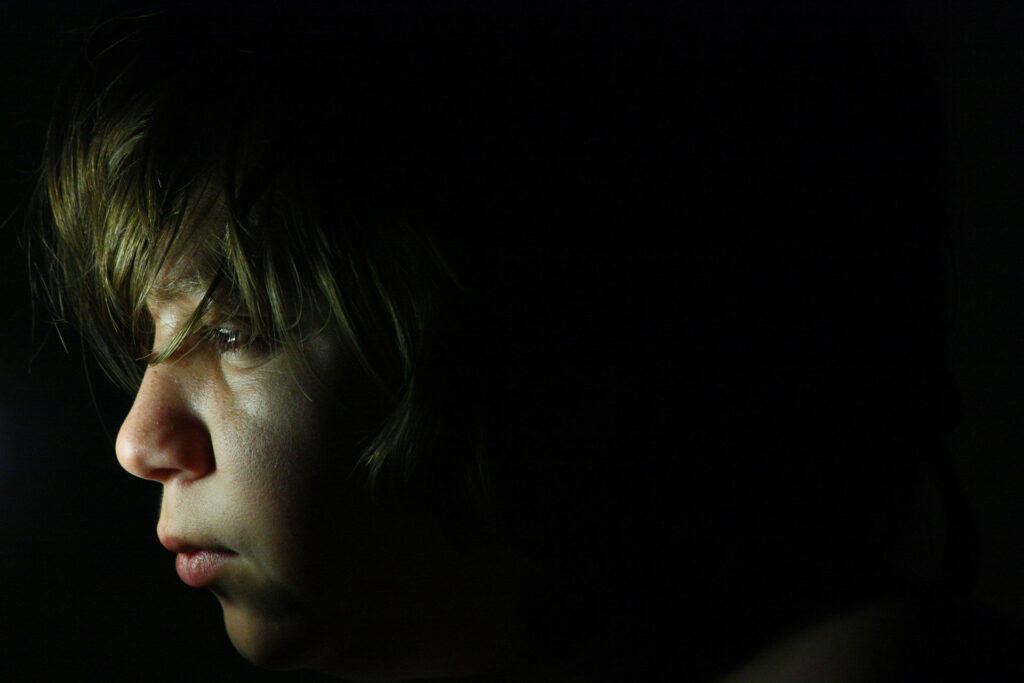
Children whose families and homes do not provide consistent safety, comfort, and protection may develop ways of coping that allow them to survive and function day to day. For instance, they may be overly sensitive to the moods of others, always watching to figure out what the adults around them are feeling and how they will behave. They may withhold their own emotions from others, never letting them see when they are afraid, sad, or angry. These kinds of learned adaptations make sense when physical and/or emotional threats are ever-present. As a child grows up and encounters situations and relationships that are safe, these adaptations are no longer helpful, and may in fact be counterproductive and interfere with the capacity to live, love, and be loved.
Complex trauma can affect children in a multitude of ways. Here are some common effects.
Share This Post!

Post-traumatic Stress Disorder and Cancer
By American Society of Clinical Oncology (ASCO) Post-traumatic stress disorder (PTSD) is a type of anxiety disorder. Some people develop PTSD after experiencing a frightening or life-threatening situation. PTSD is most [...]
Childhood Trauma Impacts Muscle Function in Later Life
By Morgan Sherburne – University of Michigan Adverse childhood experiences can detrimentally affect muscle function in older adults by impairing mitochondrial activity necessary for energy production. The study analyzed muscle biopsies from [...]

The True Link Between Early Trauma and Adult Mental Health
By David Rettew M.D., ABCs of Child Psychiatry The last decade of the 1990s was often labeled the “Decade of the Brain,” as many mental health clinicians and researchers emphasized biological [...]

What’s the Best Treatment for PTSD in Children?
By Joan Kaufman, PhD Joan Kaufman, PhD, of the Department of Psychiatry at Yale University, discusses the different stages of trauma-focused cognitive behavior therapy, or TF-CBT, the best evidence-based intervention for children who [...]

Expert Consensus Regarding Indicators of a Traumatic Reaction in Autistic Youth: A Delphi Survey
By Connor M Kerns, Diana L Robins, Paul T Shattuck, Craig J Newschaffer, & Steven J Berkowitz It has been suggested that the sequelae of trauma are under-recognized in youth on the autism spectrum. [...]
Helping Children and Adolescents Cope with Traumatic Events
By Southern California Sunrise Recovery Center Children and adolescents are exposed to a number of different traumatic events that can spark a lot of emotions and physical reactions. The effects of [...]