

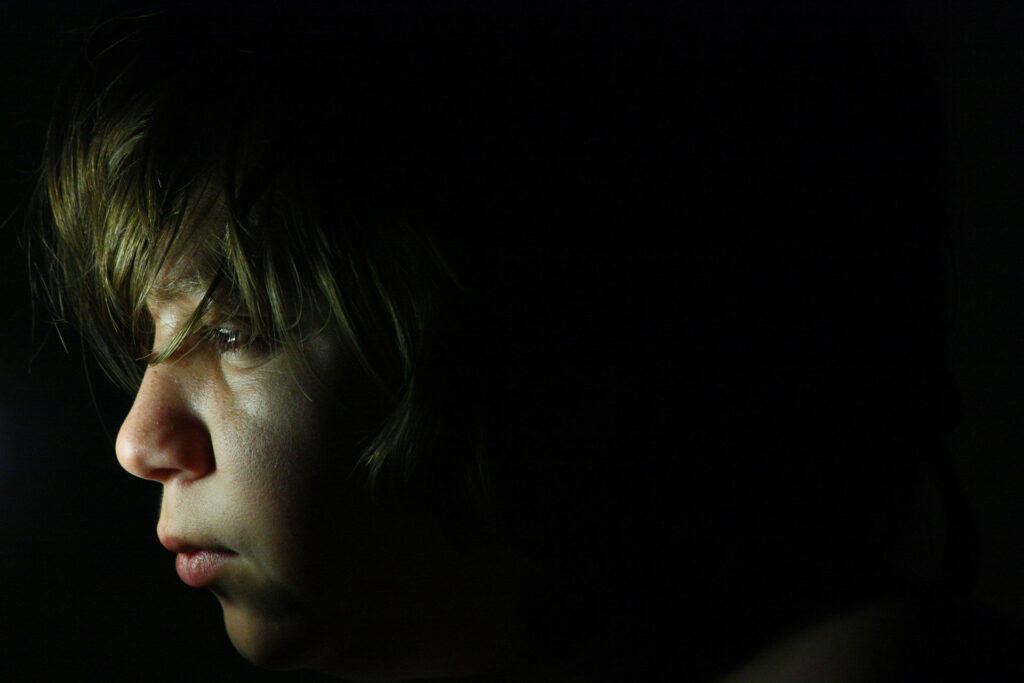
Children whose families and homes do not provide consistent safety, comfort, and protection may develop ways of coping that allow them to survive and function day to day. For instance, they may be overly sensitive to the moods of others, always watching to figure out what the adults around them are feeling and how they will behave. They may withhold their own emotions from others, never letting them see when they are afraid, sad, or angry. These kinds of learned adaptations make sense when physical and/or emotional threats are ever-present. As a child grows up and encounters situations and relationships that are safe, these adaptations are no longer helpful, and may in fact be counterproductive and interfere with the capacity to live, love, and be loved.
Complex trauma can affect children in a multitude of ways. Here are some common effects.
Share This Post!

Child-Parent Psychotherapy Resources
By University of California, San Francisco Child-Parent Psychotherapy (CPP) is an intervention model for children aged 0-5 who have experienced at least one traumatic event (e.g. maltreatment, the sudden or traumatic [...]

Caring for Caregivers Experiencing Secondary Trauma
By Heather C. Forkey, MD, Elaine Schulte, MD, MPH, and Luanne Thorndyke, MD Secondary traumatic stress (STS) is the emotional duress caused by indirect exposure to distressing events experienced by others. [...]

How to Talk About Mental Health
By SAMHSA Mental health is essential to a person’s life in the same way as physical health. Hesitation to talk about mental health adds to the notion that the topic is [...]

Prioritizing Minority Mental Health
By CDC Office of Health Equity Mental health matters! Mental health includes our emotional, psychological, and social well-being. It affects how we think, feel, act, handle stress, relate to others, and make [...]
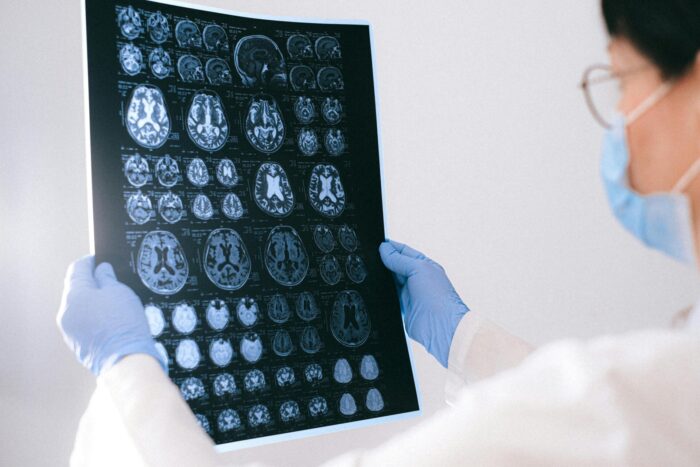
Exploratory Study Associates Childhood Trauma with Brain Features in Abusive Mothers
By University of Fukui As sad as it is, child maltreatment continues to be a prevalent global social issue. Recent studies have revealed that up to one billion children aged 2 [...]
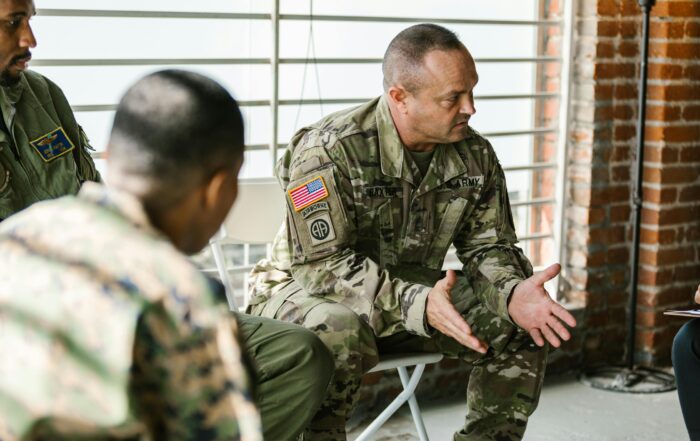
SAMHSA Recognizes Posttraumatic Stress Disorder Awareness Month
By Stacey Owens, M.S.W., LCSW-C, Military and Veterans Affairs Liaison, Center for Mental Health Services Although often associated with combat veterans, Posttraumatic Stress Disorder (PTSD) is a mental health condition that [...]