

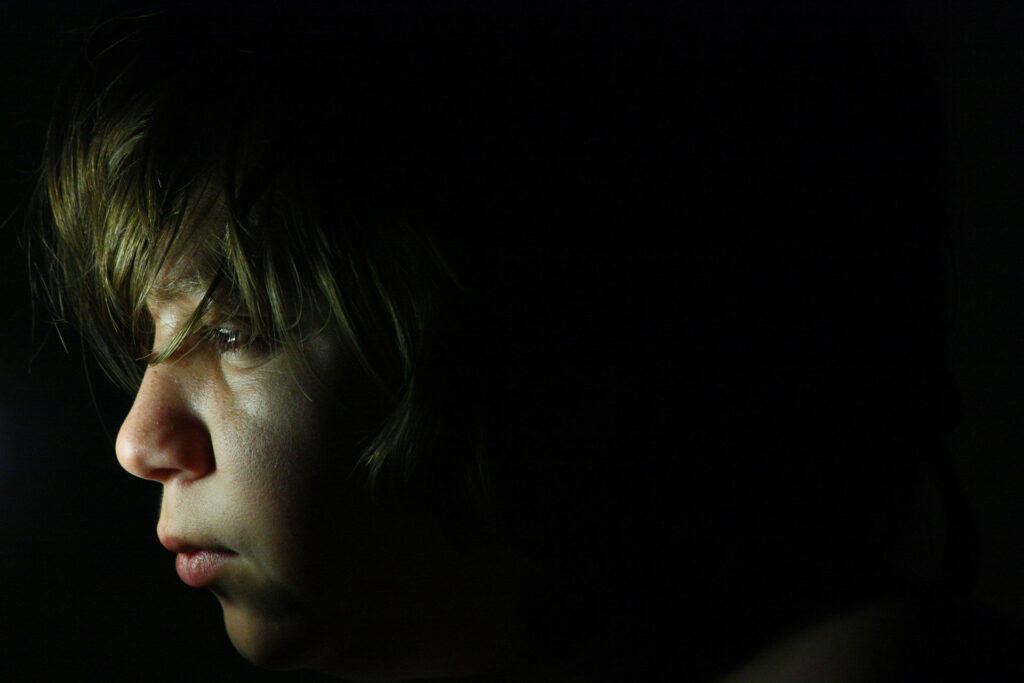
Children whose families and homes do not provide consistent safety, comfort, and protection may develop ways of coping that allow them to survive and function day to day. For instance, they may be overly sensitive to the moods of others, always watching to figure out what the adults around them are feeling and how they will behave. They may withhold their own emotions from others, never letting them see when they are afraid, sad, or angry. These kinds of learned adaptations make sense when physical and/or emotional threats are ever-present. As a child grows up and encounters situations and relationships that are safe, these adaptations are no longer helpful, and may in fact be counterproductive and interfere with the capacity to live, love, and be loved.
Complex trauma can affect children in a multitude of ways. Here are some common effects.
Share This Post!
It Happened Here: Dr. Margaret Morgan Lawrence
By NYP History Every time she was turned away, Dr. Margaret Morgan Lawrence, whose career began at NewYork-Presbyterian in the 1940s, found a new opportunity to succeed, eventually becoming the first [...]
The Impact of Childhood Trauma on Developing Bipolar Disorder
By Yann Quidé, Leonardo Tozzi, Mark Corcoran, Dara M Cannon, Maria R Dauvermann Childhood trauma (CT) has been repeatedly linked to earlier onset and greater severity of bipolar disorder (BD) in adulthood. However, such knowledge [...]
Protecting Children from Sexual Abuse in the #MeToo Era
By Nickolas Agathis, MD Do you keep up with any modern social movements, such as #MeToo, #BlackLivesMatter or #KeepFamiliesTogether? The conversations surrounding them are still grabbing widespread attention through social media [...]
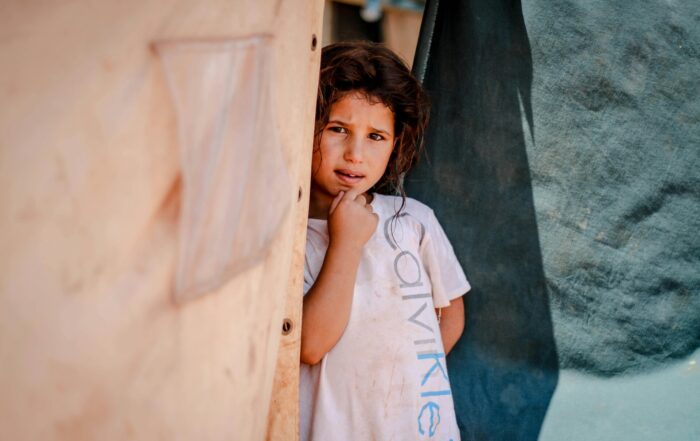
Immigrant Health is Interpersonal
By Amanda Venta, PhD Waves of Latinx immigration to the United States have changed in recent decades, and our scientific literature is only beginning to catch up. Regional violence and unrest [...]

Essential Elements of a Trauma-Informed Juvenile Justice System
NCTSN Trauma-informed policies and procedures make juvenile justice organizations safer and more effective by ensuring the physical and psychological safety of all youth, family members, and staff and promoting their recovery [...]

How Childhood Trauma Can Impact the Brain
Written by Kaytee Gillis, LCSW A recent study published in Biological Psychiatry: Cognitive Neuroscience and Neuroimaging finds that childhood trauma can lead to disruptions in two main regions of the brain, the default mode network (DMN) and [...]