

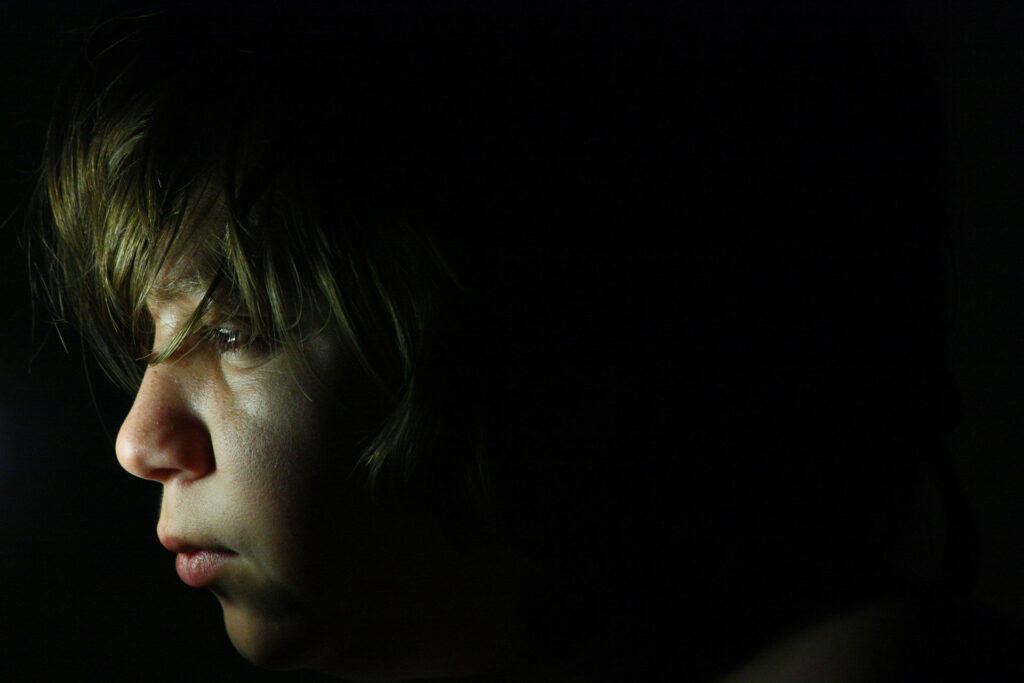
Children whose families and homes do not provide consistent safety, comfort, and protection may develop ways of coping that allow them to survive and function day to day. For instance, they may be overly sensitive to the moods of others, always watching to figure out what the adults around them are feeling and how they will behave. They may withhold their own emotions from others, never letting them see when they are afraid, sad, or angry. These kinds of learned adaptations make sense when physical and/or emotional threats are ever-present. As a child grows up and encounters situations and relationships that are safe, these adaptations are no longer helpful, and may in fact be counterproductive and interfere with the capacity to live, love, and be loved.
Complex trauma can affect children in a multitude of ways. Here are some common effects.
Share This Post!
Sexual Abuse of Children at Camp is an Epidemic:
By Mick S. Grewal Sexual abuse by camp counselors is a national epidemic, according to various organizations, including Crime Stoppers. Every year, nearly 10 million children attend summer camp. In 2018, CBS [...]
Trends in U.S. Emergency Department Visits Related to Suspected or Confirmed Child Abuse and Neglect Among Children and Adolescents Aged <18 Years Before and During the COVID-19 Pandemic — United States, January 2019–September 2020
By The C.D.C. Heightened stress, school closures, loss of income, and social isolation resulting from the coronavirus disease 2019 (COVID-19) pandemic have increased the risk for child abuse and neglect (1). [...]

Behind the Term: Trauma
By U.C. Berkeley The term “trauma” can mean different things, depending on the context. Semantically, trauma refers to an experience or event; nevertheless, people use the term interchangeably to refer to either [...]
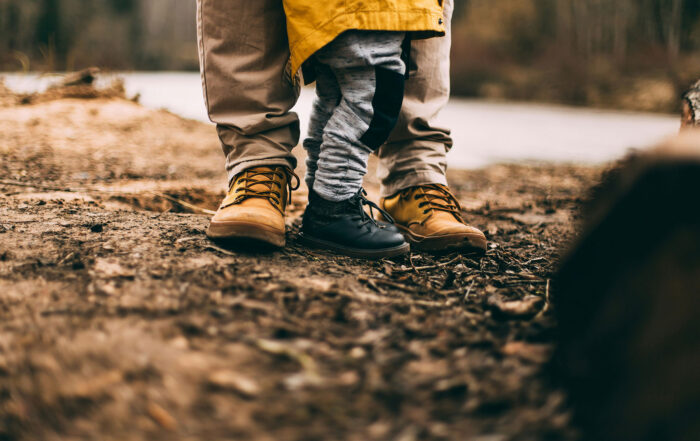
Ukrainian refugees in Poland get help for trauma you can’t see — mental health
By Dana Bash and Abbie Sharpe, CNN Warsaw, Poland (CNN)Eight-year-old Yana was going to gymnastics class six days a week at home near Odessa, Ukraine. Now, she can only practice by [...]
Mental health effects of Ukraine war zone on children
By Mary Kekatos As the Russian invasion of Ukraine intensifies, children are experiencing devastating consequences of being caught up in the war zone. At least seven children have been killed, according to United Nations [...]

The Chilling Effects of the Texas Anti-Trans Directive
By Mira Miller When Texas Governor Greg Abbott penned a letter directing state officials to investigate healthcare providers or parents who help transgender youth receive gender-affirming care, some believed his order would be ignored. [...]