

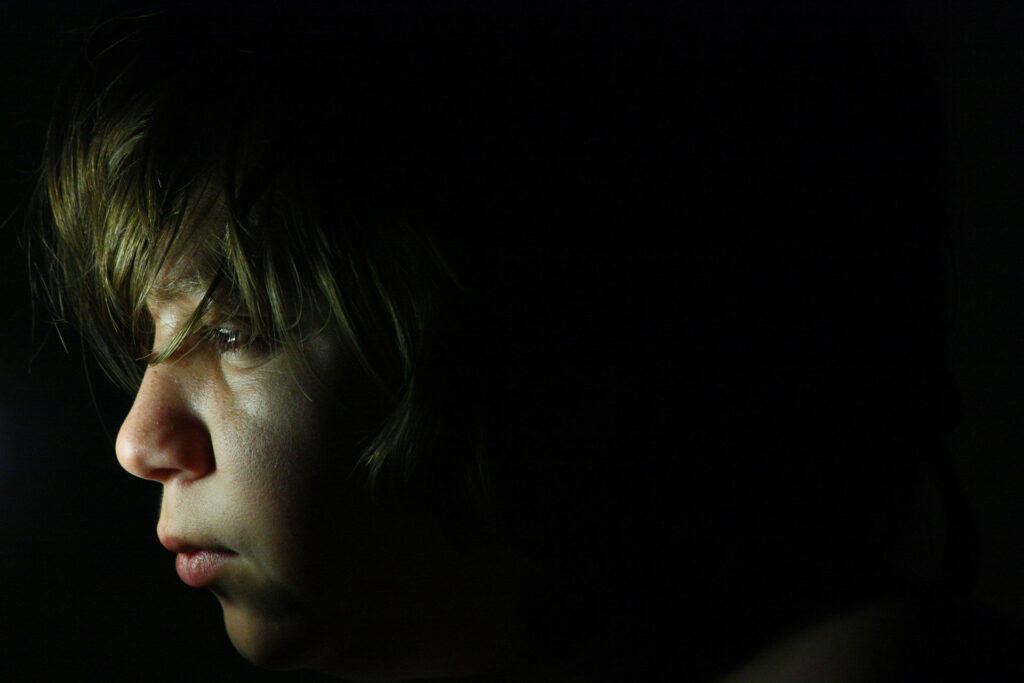
Children whose families and homes do not provide consistent safety, comfort, and protection may develop ways of coping that allow them to survive and function day to day. For instance, they may be overly sensitive to the moods of others, always watching to figure out what the adults around them are feeling and how they will behave. They may withhold their own emotions from others, never letting them see when they are afraid, sad, or angry. These kinds of learned adaptations make sense when physical and/or emotional threats are ever-present. As a child grows up and encounters situations and relationships that are safe, these adaptations are no longer helpful, and may in fact be counterproductive and interfere with the capacity to live, love, and be loved.
Complex trauma can affect children in a multitude of ways. Here are some common effects.
Share This Post!
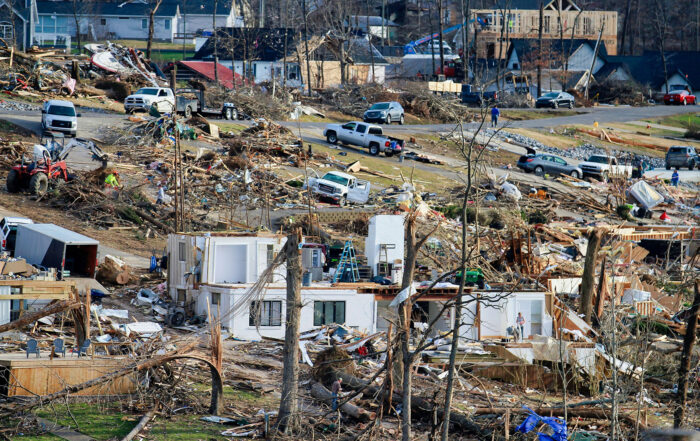
Behavioral Health Conditions in Children and Youth Exposed to Natural Disasters
Supplemental Research Bulletin, Substance Abuse and Mental Health Services Administration This Supplemental Research Bulletin focuses on mental health and substance use (behavioral health) conditions in children and adolescents following exposure to [...]

Many Refugees Dealing with Trauma Face Obstacles to Mental Health Care
By Erica Zurek and Alander Rocha Refugees are arriving in the U.S. in greater numbers this year after resettlement counts reached a 40-year low under President Donald Trump. These new arrivals, like [...]

The Dangerous Impact of Racial Trauma on the Black Community
By Maia Niguel Hoskin Psychologists use the term trauma to describe an emotional response to a terrible event like an accident, rape, or natural disaster. Racial trauma, or race-based traumatic stress, [...]

California Surgeon General on Covid: ‘Greatest collective trauma’ of a generation
By Maanvi Singh When Dr. Nadine Burke Harris was first appointed California surgeon general, she set out to address the toxic stress and trauma plaguing the state’s most vulnerable residents. Then [...]
States Address ACEs and Trauma and Build Resilience
By Anna Heard Adverse childhood experiences (ACEs) are potentially traumatic events that can affect a person’s health, well-being and success into adulthood. The COVID-19 pandemic has exacerbated these dynamics by disrupting [...]

Adult ADHD and Childhood Trauma: Is there a link?
By Keri Wiginton If you’re an adult with ADHD, you’re among millions of other grownups who also live with it. Scientists know your genes play a major role in your chances [...]