


By Alyson Klein
There’s been a quieter, parallel pandemic happening alongside COVID-19: a spike in significant mental health problems among young people, spurred by isolation, uncertainty, fear, and grief.
Mental health emergency visits among children are on the rise. Between March and October of 2020, they increased 24 percent for children ages 5 to 11, and 31 percent for kids ages 12-17. There was also a more than 50 percent spike in visits for suspected suicide attempts among girls ages 12 to 17 in early 2021, compared to the same period in 2019.
Share This Post!

Gratitude Not Required: A Trauma-Informed Thanksgiving for Children in Care
CSF written article Your Content Goes Here By Beth Tyson Children impacted by any kind of family separation, whether it be foster care, adoption, or divorce, don’t have to feel [...]

Emotional and Psychological Trauma
CSF written article Your Content Goes Here By Lawrence Robinson, Melinda Smith, M.A. and Jeanne Segal, Ph.D. What is emotional and psychological trauma? Emotional and psychological trauma occurs when extraordinarily stressful events shatter [...]

Understanding Childhood Trauma: Ways to Support Young People
CSF written article Your Content Goes Here By Boys & Girls Clubs of America For generations, tough childhood experiences have been swept under the rug by phrases like these. Oftentimes, [...]

Addressing The Link Between Trauma And Addiction
CSF written article Your Content Goes Here By National Governors Association Many Americans have experienced traumatic events, toxic stress, and other types of adversity in childhood. However, repeated exposure [...]
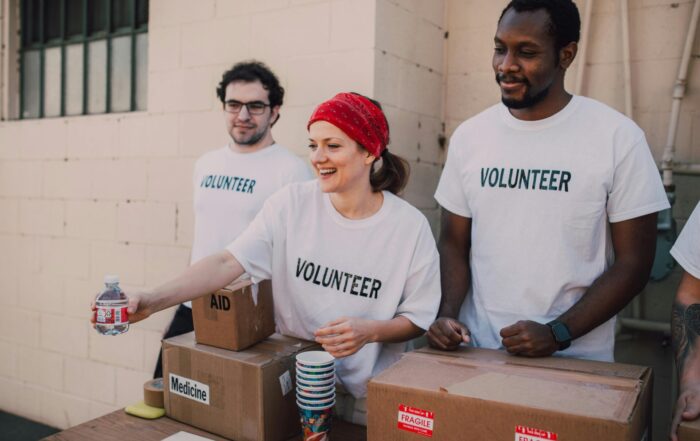
The Health Benefits of Volunteerism
CSF written article Your Content Goes Here By Eric Burger It’s a simple fact that every nonprofit organization knows: volunteering makes you feel better. But did you know that [...]

Checklist: Creating Safe Spaces for Youth
CSF written article Your Content Goes Here By Mental Health America Now more than ever, young people need an environment where they feel seen, heard, and valued. [...] Creating [...]